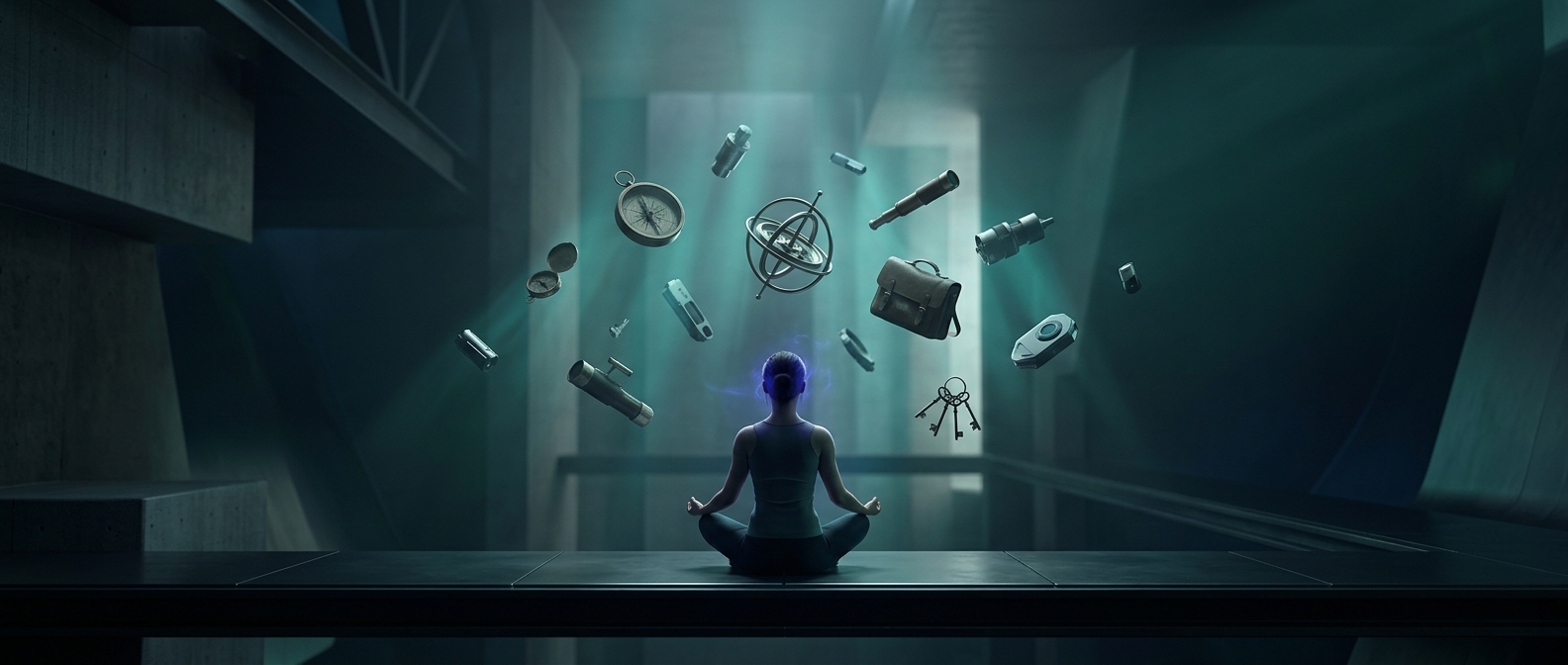
The brain sends a command, not a lifting force
A brain-computer interface (BCI) links brain activity to a computer or other machine. Sensors detect patterns associated with a user’s intended action; software then classifies those patterns and translates them into commands, such as moving an object left or right. The system has to be calibrated so it can distinguish the user’s signals from the brain’s ongoing background activity.
That translation is the key step. The person does not produce a force that reaches across the room. The brain supplies the instruction; powered equipment does the physical work.
Why levitation still takes engineering
To move an object, the command must reach an actuator—a component that converts energy into motion. Depending on the setup, that might be a robotic mechanism or equipment that holds an object aloft. The interface itself does not determine how the object is supported; it determines what the machine should do.
If the object is hovering, the machine also has to keep it stable. A small shift can make an object drift or fall, so the equipment must continually apply or adjust forces. The BCI may provide the person’s directional intent while the machine handles the rapid corrections needed for controlled movement.
This division of labor makes the demonstration possible without supernatural powers: a person chooses a command, software interprets it, and machinery supplies and regulates the force. The striking part is not that thought lifts an object, but that an intention can be converted into a physical action at a distance.