Why evening snacks can feel automatic
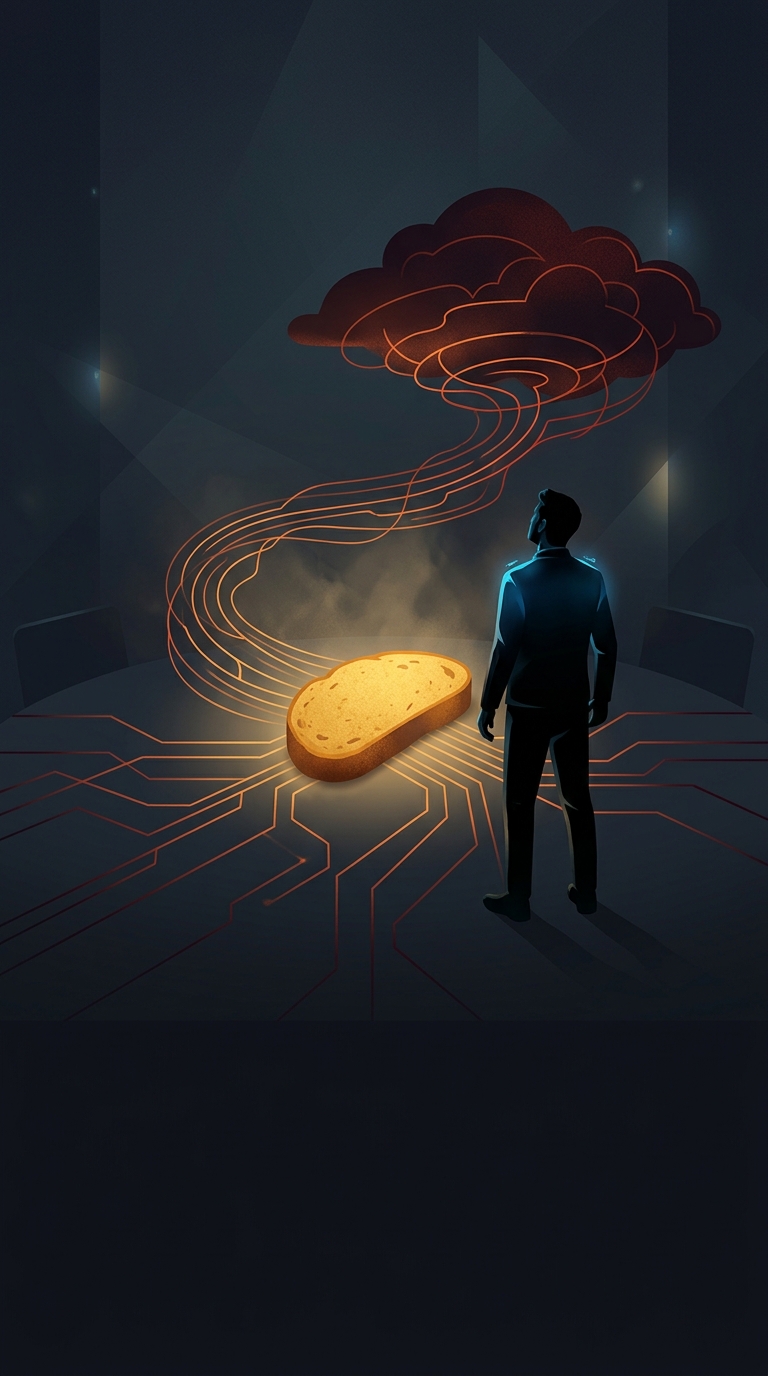
A familiar sequence can turn into a habit: dinner ends, you settle in for the evening, and your hand reaches for food before you have decided you are hungry. The routine may be responding less to hunger than to a cue—the moment or setting that has repeatedly come just before snacking.
That is why simply promising yourself not to snack can be hard to sustain. The cue is still there, and the old response is easy to repeat. A practical alternative is to attach a different action to the same transition: after dinner, brush your teeth or make a mug of herbal tea.
Give the evening a new ending
Brushing your teeth creates a clear, physical marker that the meal is finished. The minty taste and the effort of brushing can also make another bite less appealing. Tea offers a different kind of replacement: holding a warm mug and sipping gives your hands and mouth something to do during the time when you might usually graze.
These actions work best as planned routines, not tests of willpower. Choose one and repeat it at roughly the same point after dinner. If you are genuinely hungry, a new cue is not a reason to ignore that; the aim is to interrupt automatic snacking, not to forbid eating.
The useful change is small but concrete: instead of letting the evening itself signal “find a snack,” you give it a new, repeatable signal that dinner is over.