The heart has its own electrical rhythm
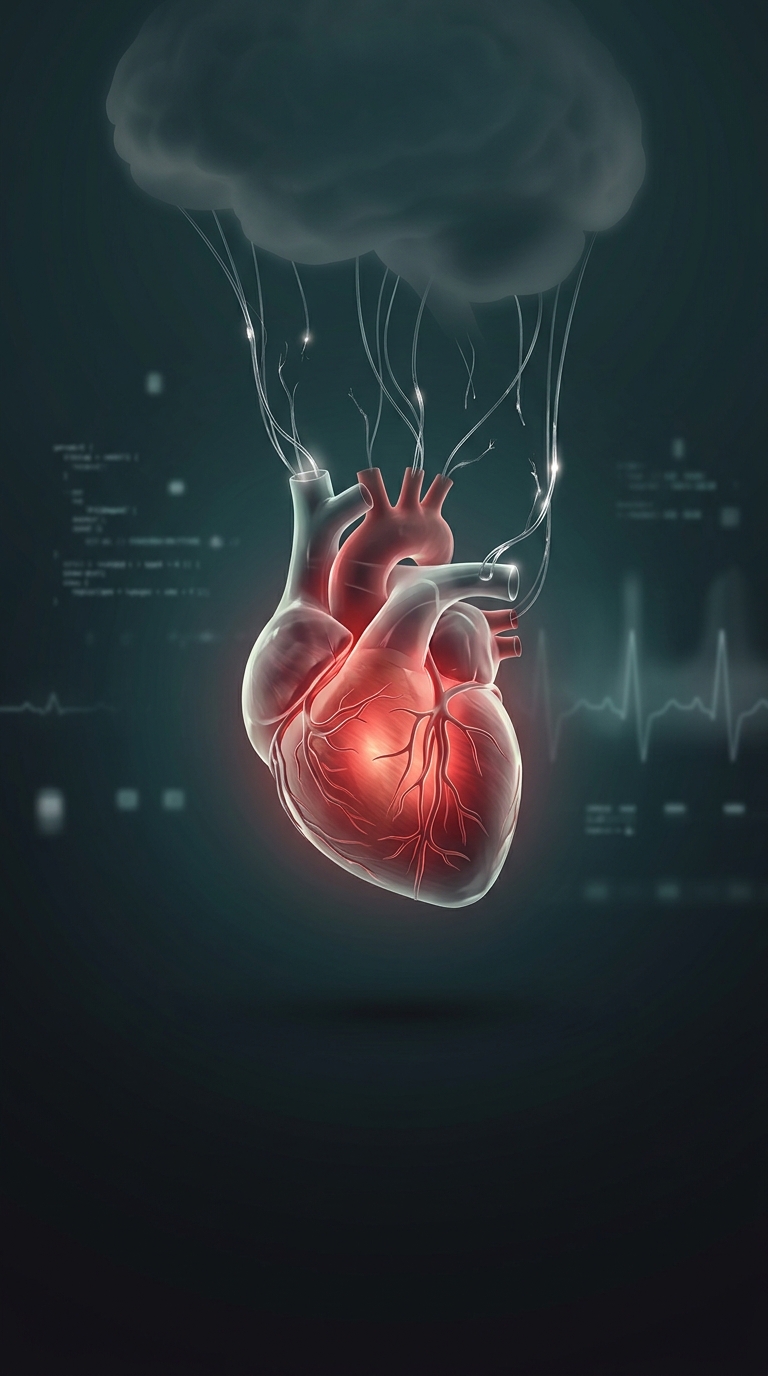
The heart does not need the brain to issue every beat. Specialized cells in its upper chambers generate electrical signals that trigger the heart muscle to contract. This built-in timing system is why a heart can continue beating even after the brain has permanently stopped functioning.
But a heartbeat alone does not mean the body is sustaining itself. The brain normally helps regulate breathing, heart rate, blood pressure, and other functions. After brain death, those regulatory systems are lost.
Why the heartbeat can continue in intensive care
A person declared brain-dead cannot breathe independently. A ventilator moves air into the lungs, allowing oxygen to enter the blood. With oxygen supplied and the heart still generating its own rhythm, the heart can keep pumping blood for a time. Medical treatments may also help maintain blood pressure and support other organs.
This is a supported process, not a sign that the brain is recovering or that the person is breathing. Without ventilation and other intensive care, the heart would eventually stop as oxygen and circulation failed.
A beating heart is not the same as a living brain
Brain death means the irreversible loss of all brain function, including the brainstem functions needed for breathing and basic reflexes. It is distinct from a coma, in which some brain function remains and the person may still breathe without a ventilator.
The apparent contradiction comes from treating the body as if every organ depends on the brain to operate moment by moment. The heart’s rhythm is partly self-generated; intensive care supplies what the brain can no longer coordinate. That is why a heartbeat can remain visible even when brain function has permanently ended.