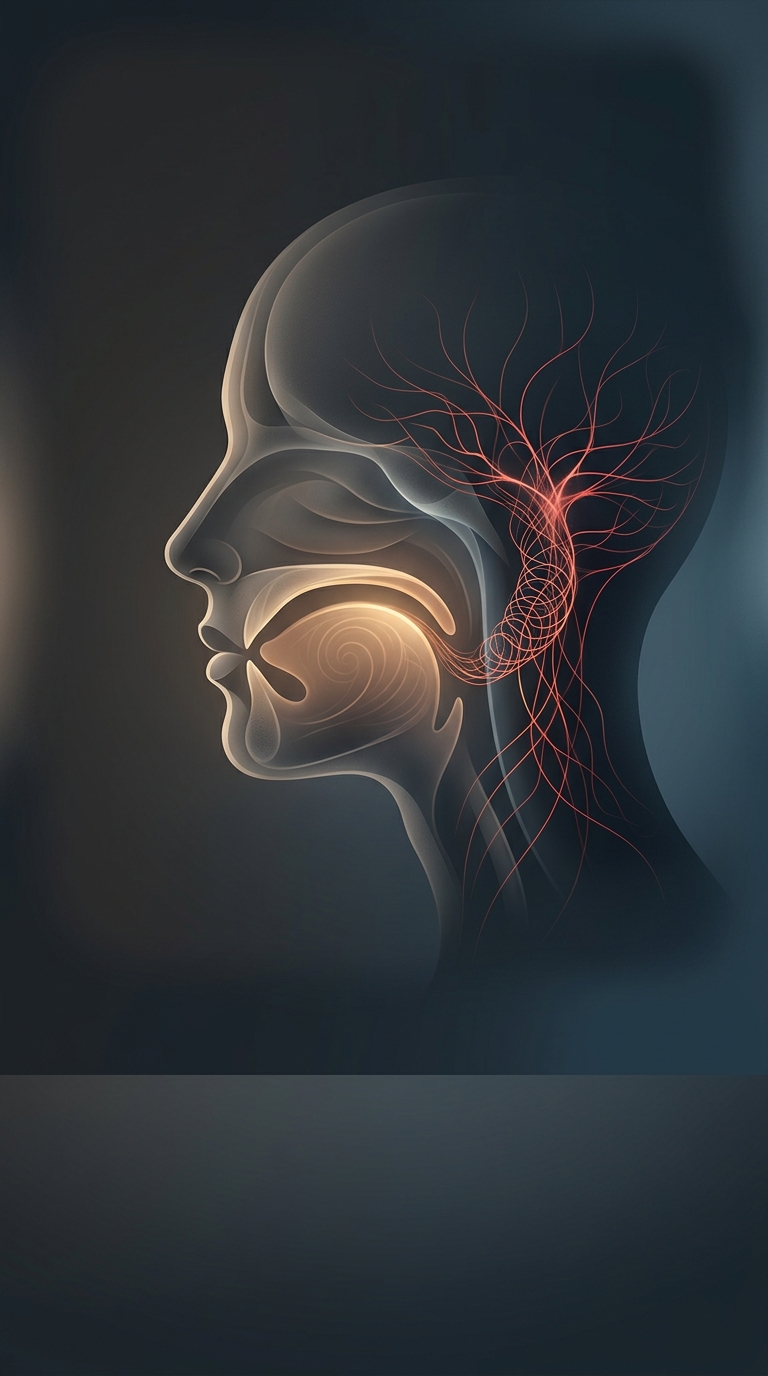
Why the Organ Matters
Biological differences between sexes are not explained by one universal mechanism. Depending on the organ, researchers might be measuring its size, structure, cell types, hormone response, or function—and each measure calls for a different explanation. Without knowing which organ the caption refers to, it is not possible to explain what the reported difference is or how it develops.
How Sex Can Shape an Organ
In general, sex-related biology can influence organ development through genes, hormones, and their effects on cells over time. These influences do not act identically in every tissue: an organ may respond to a hormone differently from another, and a difference in one measurement does not automatically mean a difference in every aspect of that organ’s function.
Researchers also distinguish an average difference between groups from a rule about every individual. The groups’ measurements may overlap, so a finding can be real without being a reliable way to predict an individual’s anatomy or abilities.
The key question is not simply whether a difference exists, but what was measured and what biological process could produce it. Naming the organ and the specific finding is essential to tell that story accurately.