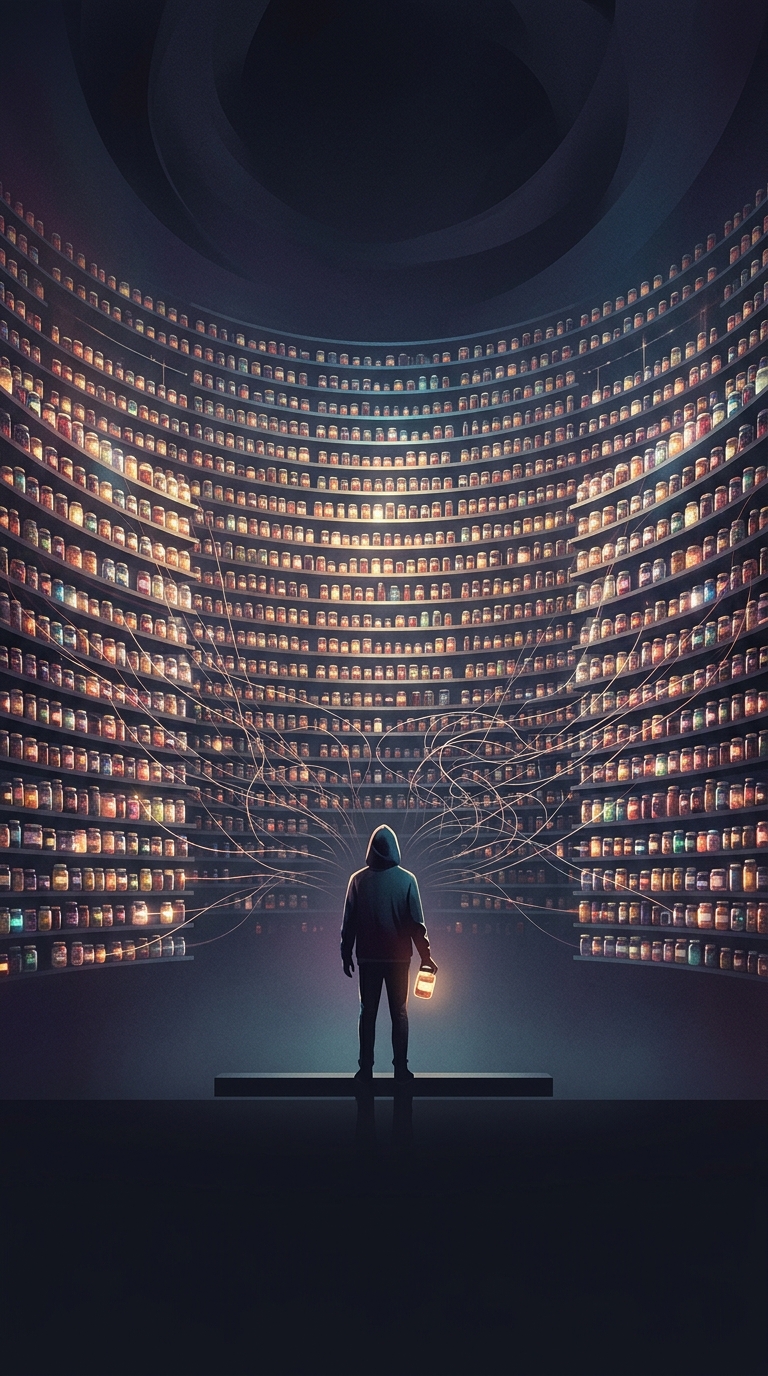
More jam can draw a crowd—and still sell less
A table of twenty flavors gives shoppers more reasons to stop and look. But once they start choosing, the same abundance can turn a pleasant tasting into a small decision problem: Which flavors are worth trying? Which jar is the safest bet? What if a better one is left behind?
With six options, the comparison is easier. A shopper can sample a few, settle on a favorite, and move on. With twenty, it takes more effort to compare, and the fear of choosing the wrong one can make doing nothing feel easier than buying.
When choice becomes work
Psychologists call this choice overload: beyond some point, adding options can make a decision harder rather than more satisfying. The effect is not simply that people dislike variety. A wide selection can attract attention and encourage browsing; the trouble comes when shoppers must turn that variety into a confident choice.
For a store, that means foot traffic and sales can move in opposite directions. More people may pause at the display, yet fewer may leave with a jar. The practical lesson is not that every shelf should offer only six choices. It is that a larger assortment works best when customers can quickly narrow it down—through clear categories, recommendations, or a few prominently featured favorites.
A crowded jam table can win the shopper’s attention, while a shorter, easier-to-compare lineup may be what gets a jar into the basket.