Red Is a Warning, Not a Countdown
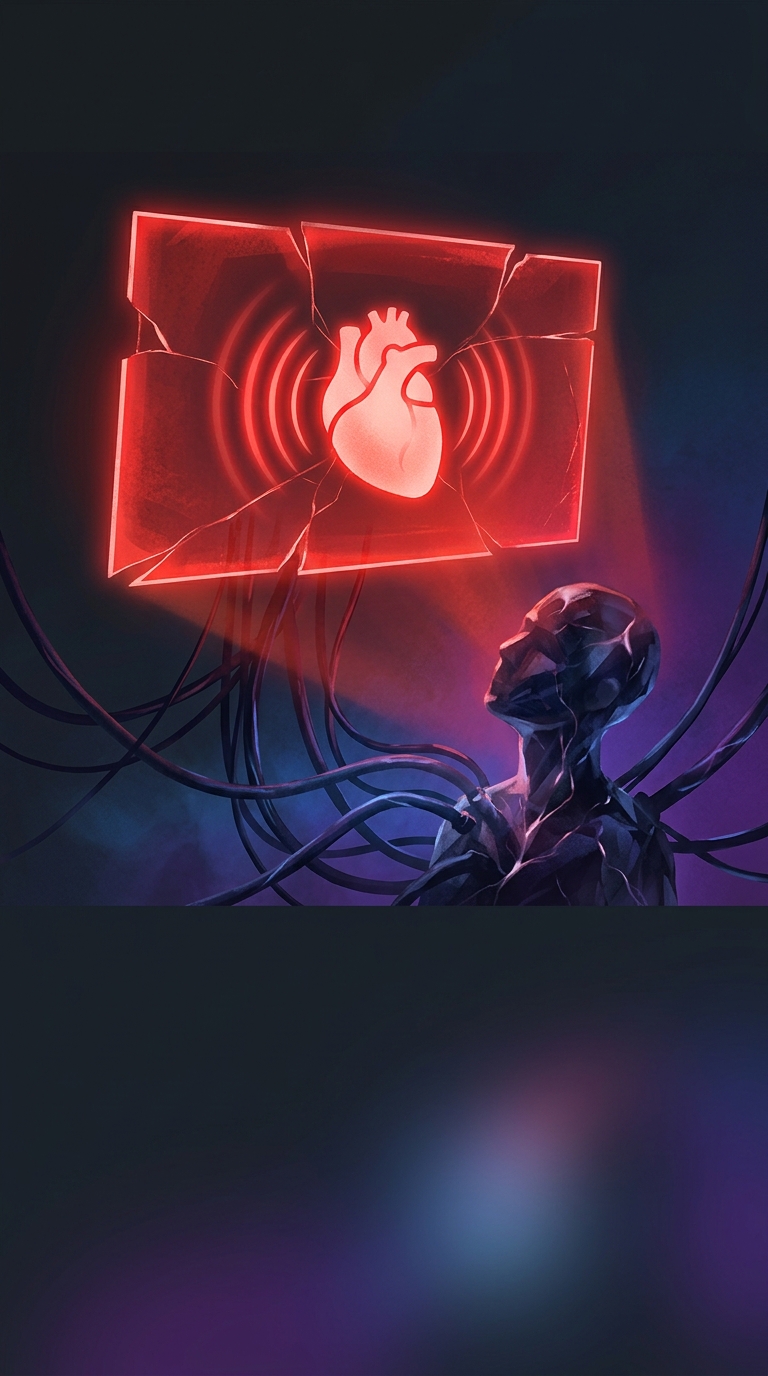
A flashing red health bar usually marks a gameplay threshold: the point where the game wants you to change tactics. It does not necessarily mean the next hit will kill you. The bar may still contain enough health to survive several attacks, depending on the game and the difficulty.
The flash makes the warning hard to miss. During a fight, players are watching enemies, aiming, and moving; a steady bar in the corner can fade from attention. A sudden pulse of red grabs the eye even when the player is focused elsewhere. It can also signal that the rules have shifted: take cover, heal, or stop trading hits.
Why Leave Room Before Defeat?
Designers need to balance urgency with a chance to respond. If the warning appeared only when a character had almost no health, players might not notice it in time—or might die before they could act. Triggering it earlier gives them a brief decision window, while the remaining health keeps the danger real.
That window is part of the game’s feedback system. The bar shows how much damage remains before defeat; the flashing effect tells you that your current approach has become risky. Some games make the red state especially punishing, while others allow a surprising amount of recovery. The color alone cannot tell you exactly how many hits you can take.
So when the bar starts blinking, treat it less like a death sentence than an alarm: you still may have time, but the game is telling you not to spend it casually.