The withdrawal begins before you consciously feel the burn
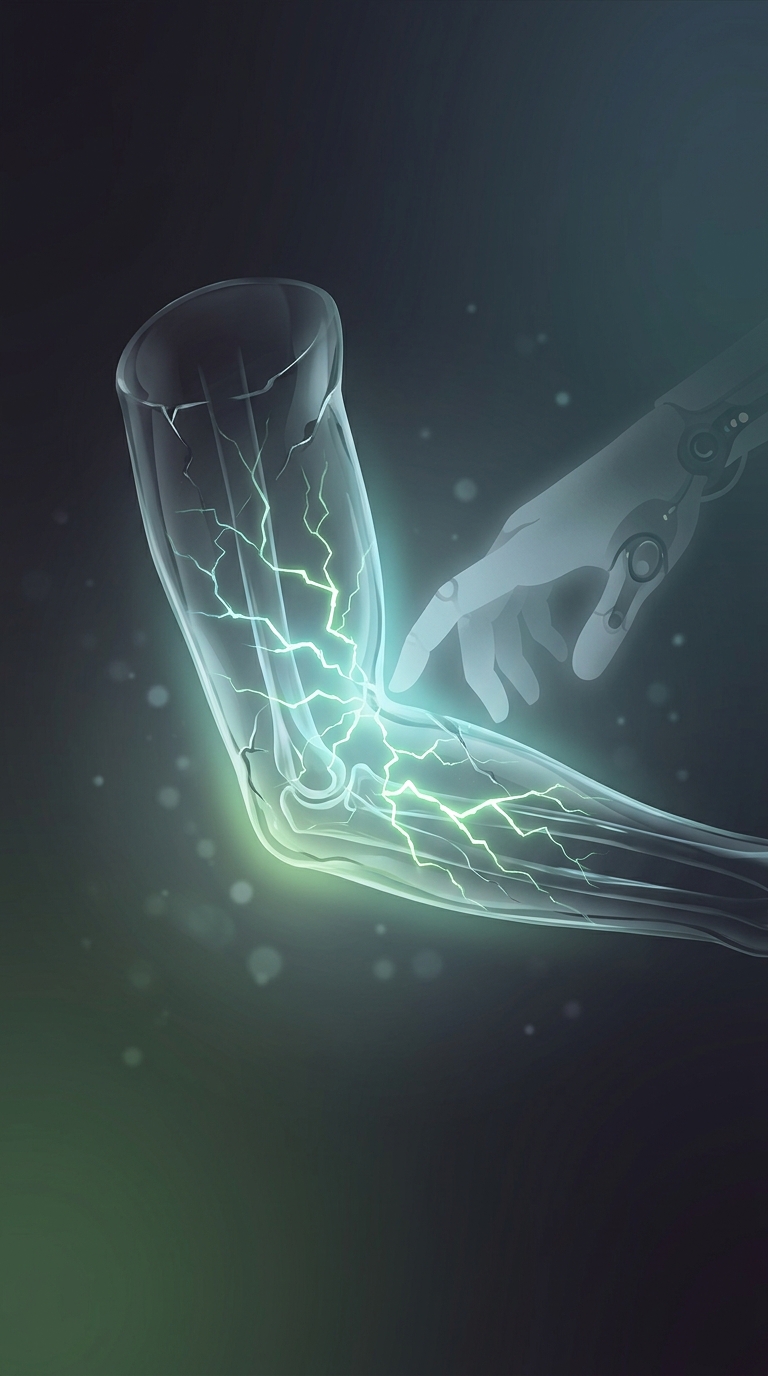
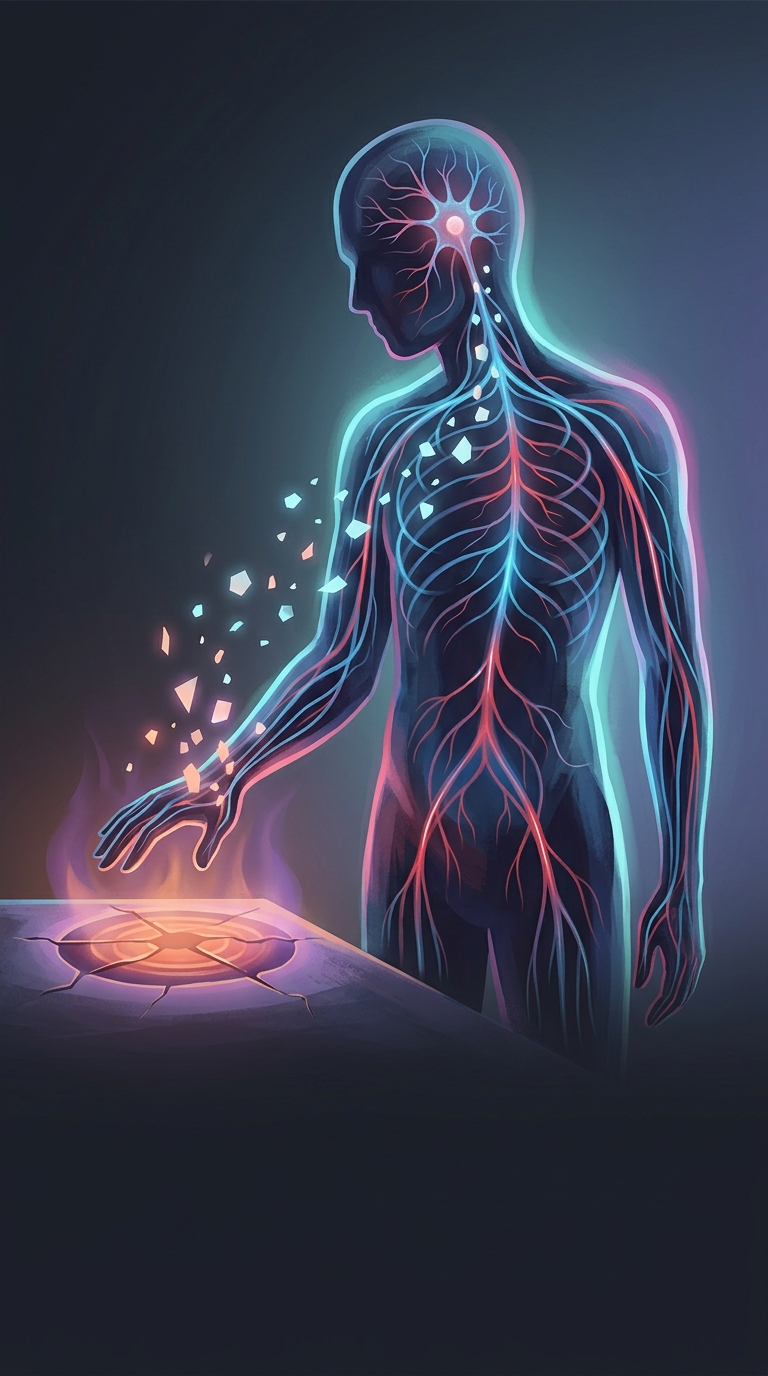
Heat-detecting nerve endings in the skin register the danger. If the temperature is high enough to threaten tissue, pain-sensing nerves—called nociceptors—send electrical signals toward the spinal cord. Some respond especially quickly, carrying an urgent warning that helps trigger a rapid withdrawal.
A short route from skin to muscle
In the spinal cord, the incoming signal connects with nerve cells that activate the muscles needed to pull your hand away. These connections form a reflex arc: a fast route from a stimulus, through the nervous system, to a movement. The spinal cord can start the response without waiting for the brain to interpret what happened.
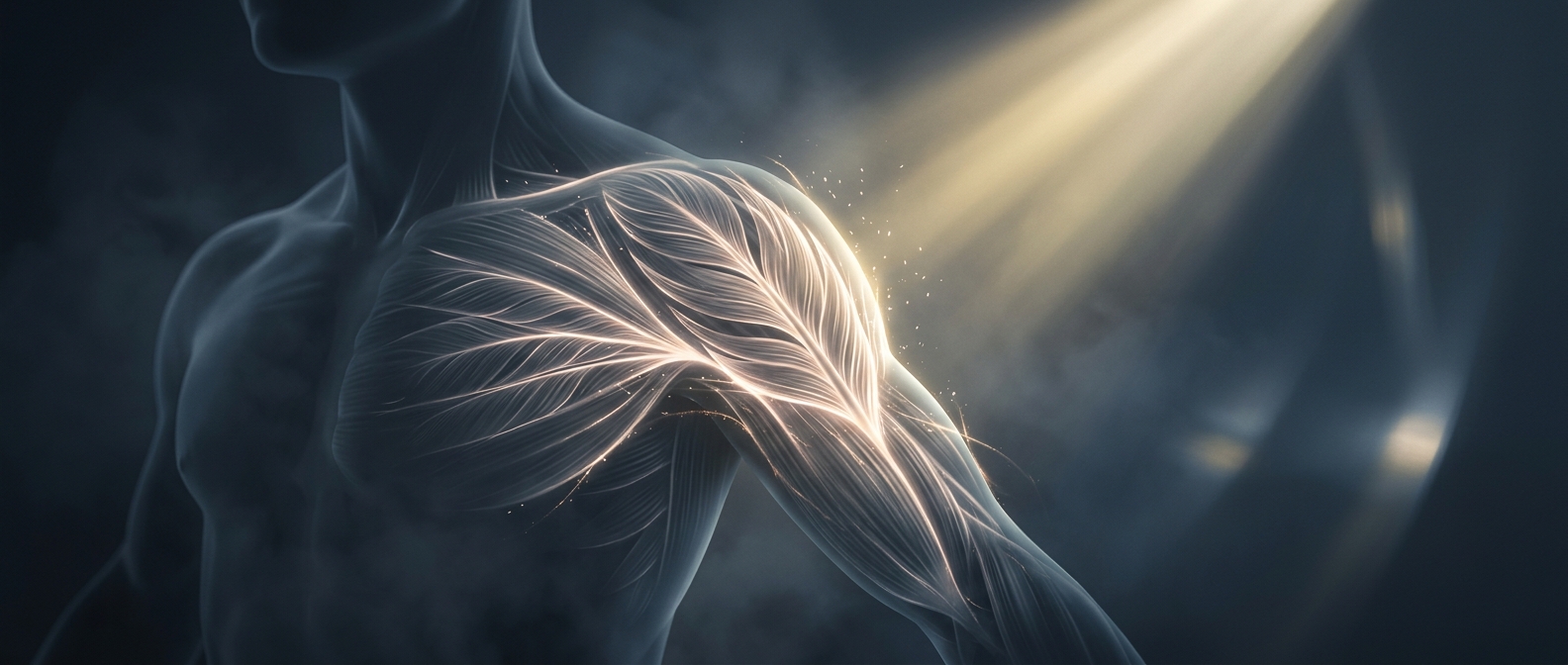
The command travels back out through motor nerves. Muscles in the arm and hand contract, while opposing muscles relax, moving the hand away from the hot surface. The withdrawal is not a considered choice; it is a protective response that limits continued contact.
The brain catches up
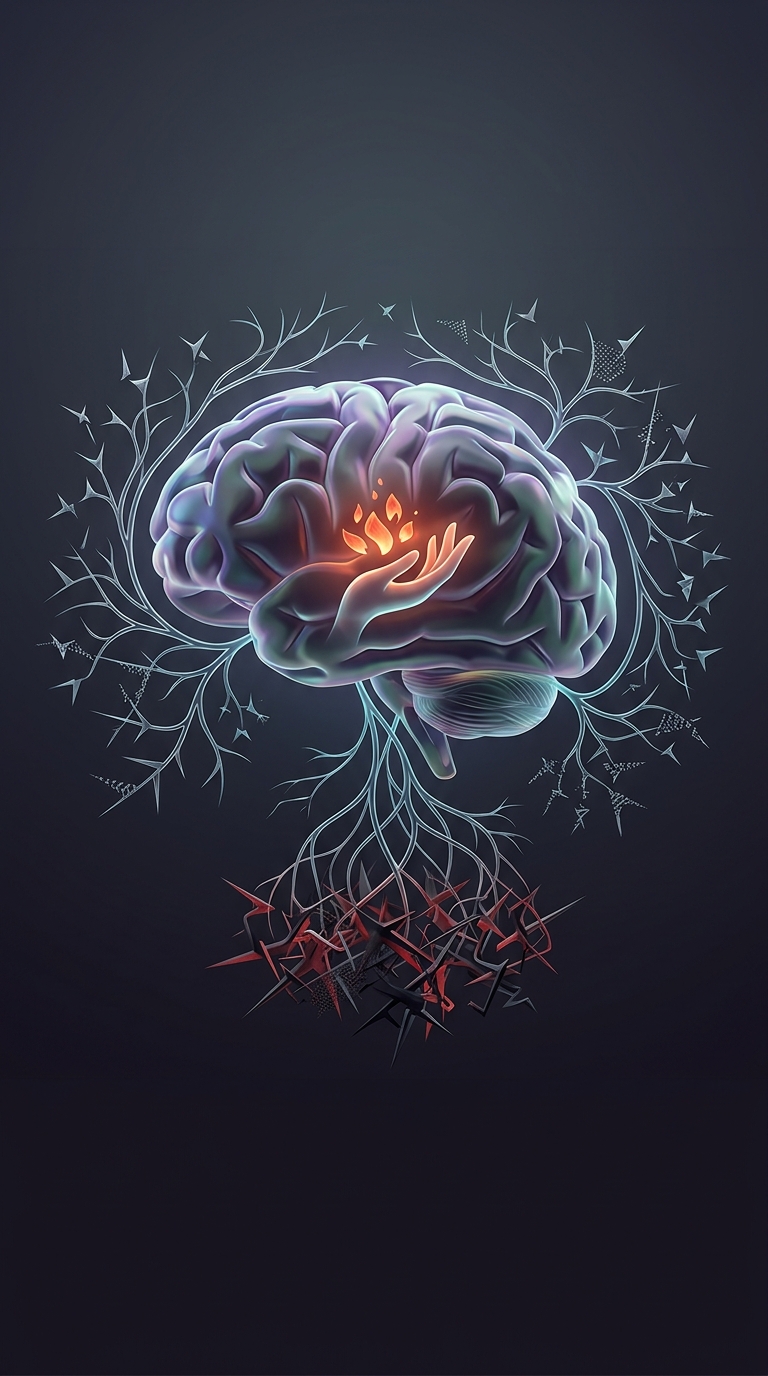
Signals also travel upward to the brain, where the sensation becomes a conscious experience of pain and the event can be identified. That is why the hand may already be moving before you fully register the burn. The reflex does not make the brain irrelevant: it gives the body a head start, while the brain helps you understand the injury and decide what to do next.
The useful trick is the division of labor: the spinal cord can launch an immediate escape movement, while conscious awareness follows close behind.