How “Hot Coffee” Was Hidden in San Andreas
The controversy began with a mismatch between what players could normally access and what the game’s files contained. In the 2005 release of Grand Theft Auto: San Andreas, players could not reach the sexual scenes through ordinary gameplay. A modification—software that alters a game—enabled the scenes by changing how the game handled content already present on the disc.
The scenes were interactive, but crude: players guided the protagonist through simple movements while clothed characters appeared in bed. Their basic presentation mattered less than the discovery that the material was not merely an outside animation or a rumor. It was tied to the game’s own data, raising questions about what the publisher had submitted for review and what players could uncover.
Why the Rating Became a Business Crisis
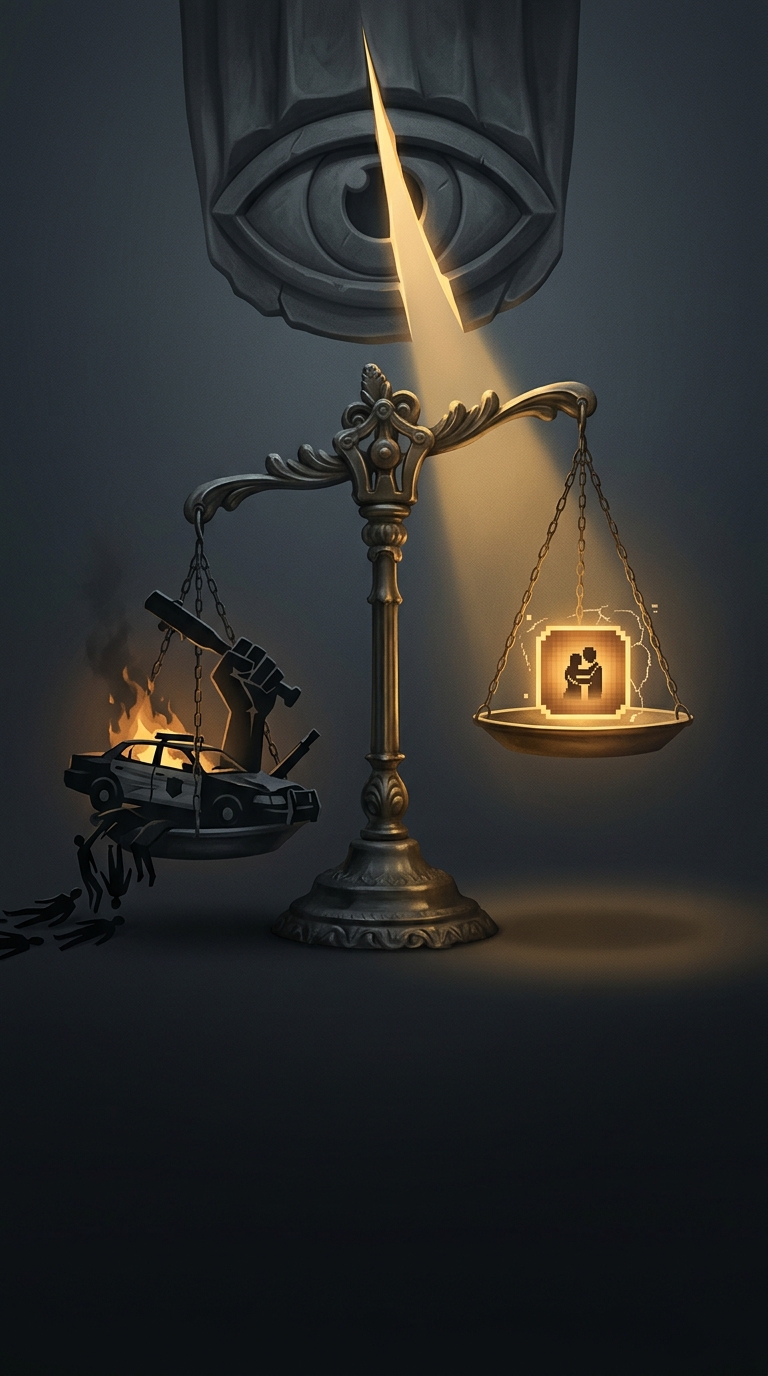
The Entertainment Software Rating Board (ESRB) assigns age ratings to games in the United States. After the hidden content became public, the board changed San Andreas from Mature to Adults Only, its most restrictive rating. That rating was not a government ban, but major retailers generally would not sell an Adults Only game, making the change a serious commercial problem.
Rockstar Games initially said the scenes had been created by modders. The dispute over their origin did not prevent the rating change: the material’s presence in the game files was enough to trigger scrutiny. Rockstar later issued a version with the content removed, allowing the game to return to its former rating.
The Fallout Outlasted the Scenes
The episode drew congressional attention and a Federal Trade Commission investigation into whether the game had been marketed with an accurate rating. The FTC reached a settlement with Rockstar and its parent company requiring accurate disclosures about game content in future rating submissions. The affair also helped intensify debate over how ratings boards assess material that is hidden, locked, or accessible only through modifications.
The practical lesson for publishers was stark: content that most buyers could not reach through normal play could still affect a game’s rating—and whether stores would carry it.