The Ouija Board Was Sold as a Talking Game
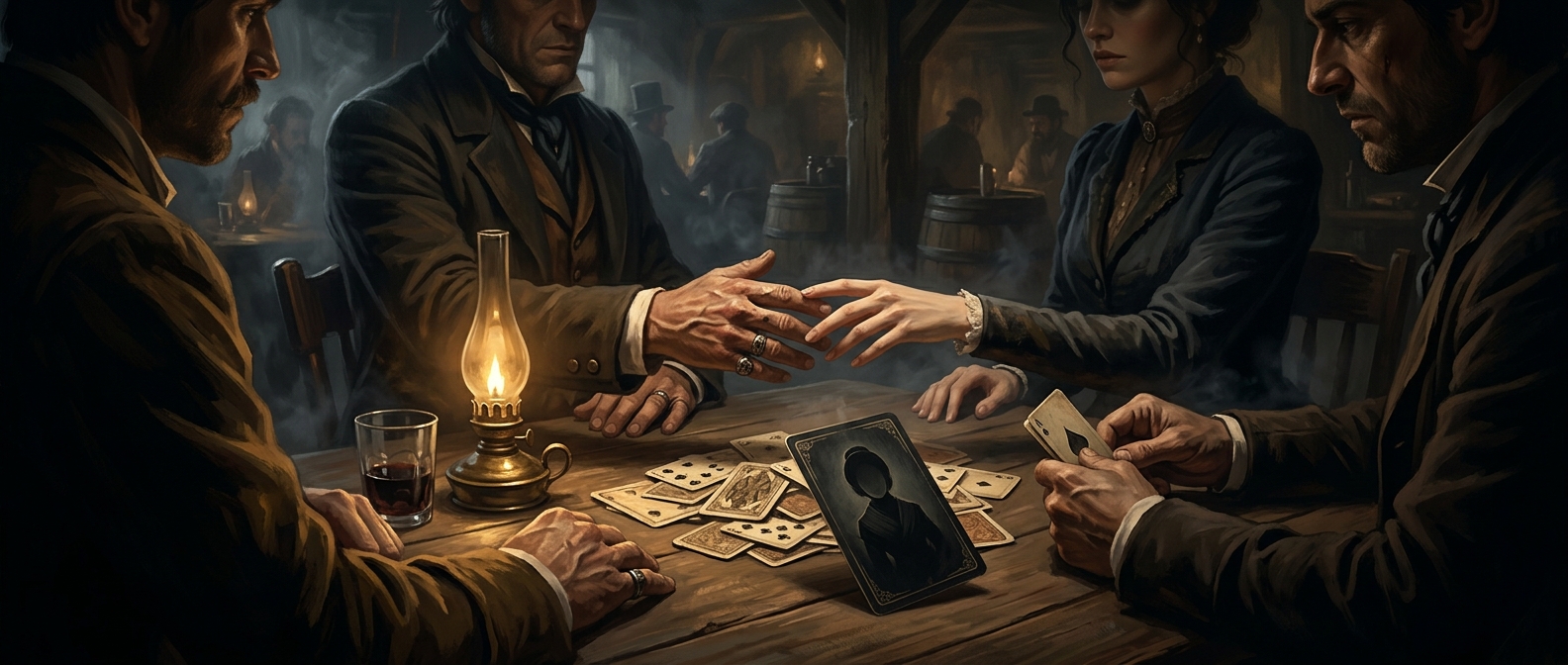
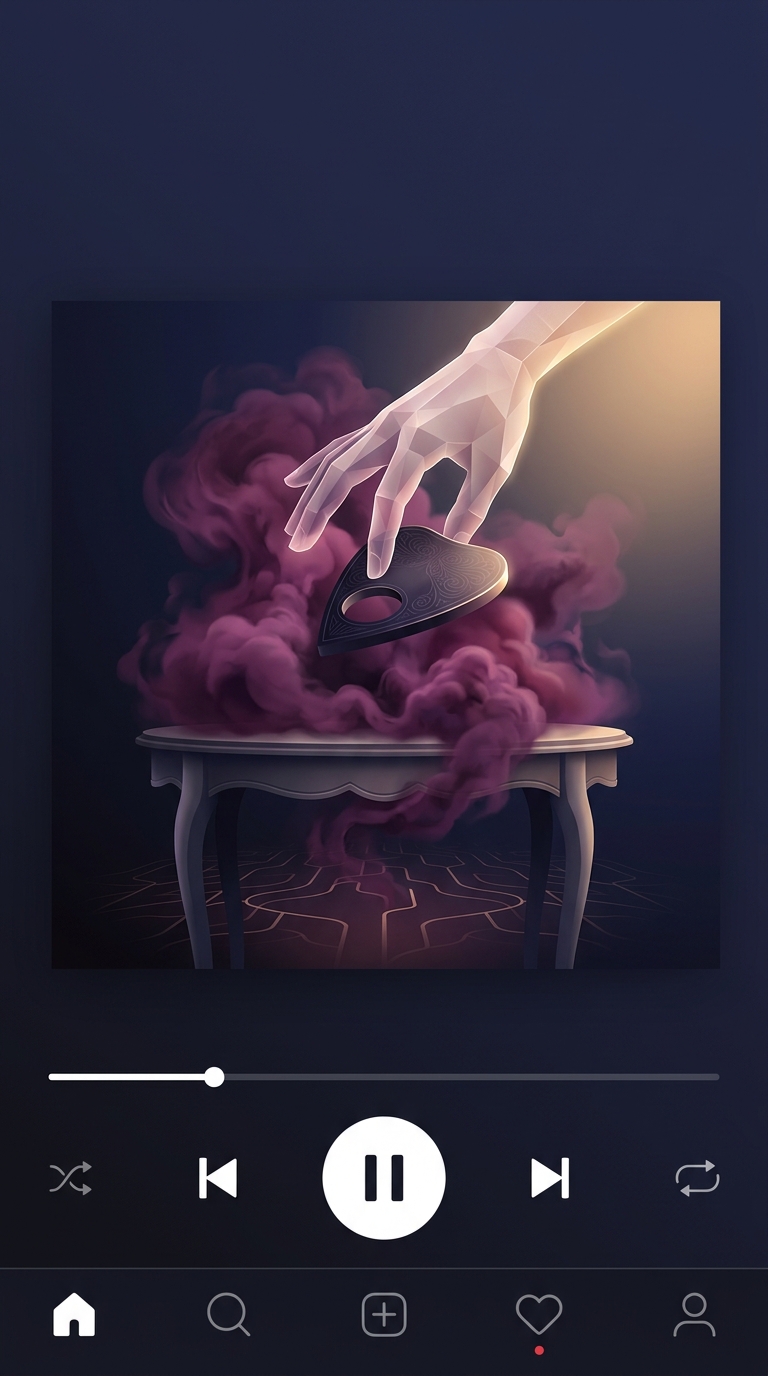
Long before it became a horror-film doorway to the demonic, the Ouija board was aggressively marketed as a “talking board”: a novel parlor amusement that could answer questions. Its appeal sat between a game and a séance. Players placed their fingers on a small pointer, called a planchette, and watched it glide across letters and numbers to spell out a reply.
The Appeal Was the Unexplained Answer
The board offered a ready-made social performance. Someone asked a question; the group waited; then the moving pointer produced a message that seemed to come from outside any one player. Advertisements leaned into that mystery, presenting the board as a source of answers about the past, present, and future—not merely as a conventional board game with a winner and loser.
That ambiguity helped it travel from the parlor into popular culture. A buyer could treat the experience as a joke, a party trick, or genuine contact with spirits, without the product requiring a firm choice among those interpretations. The same feature that made the board intriguing also made it unsettling: the message appeared to form itself while everyone’s hands remained on the pointer.
The original pitch, then, was not “demonic portal.” It was a supposedly entertaining way to make a board talk—and to leave the players wondering who, or what, had supplied the answer.