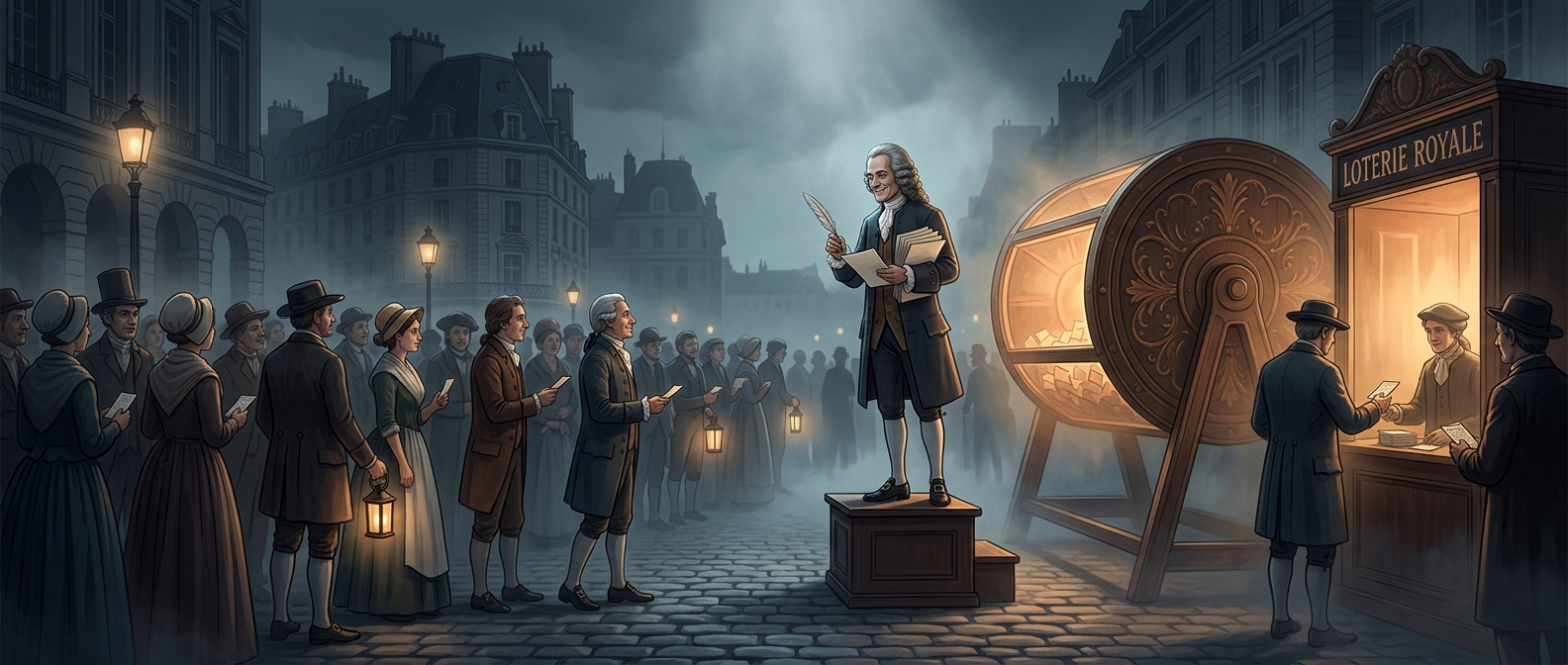
Why Lottery Tickets Can Act Like a Regressive Tax
A lottery ticket is a voluntary purchase, not a tax in the legal sense. But economists sometimes compare state lotteries to taxes because players pay money into a system that returns only part of it in prizes; the rest helps cover operating costs and state programs. Unlike most taxes, however, the cost depends on how often someone chooses to play.
The comparison becomes sharper when spending is measured against income. People with less money may spend a larger share of what they have on tickets than wealthier people do. That makes lottery revenue regressive: its burden, as a proportion of income, tends to fall more heavily on people with fewer resources.
Why Education Enters the Argument
Lottery play is often linked in public discussion to lower levels of education, but that does not mean every frequent player is uneducated or that education alone explains the behavior. The more specific concern is that people can misread very small chances of winning. A jackpot is vivid and easy to imagine; the remote odds and the steady cost of repeated purchases are easier to overlook.
A ticket also offers something beyond its mathematical return: a brief chance to picture a different life. That appeal can be especially potent when ordinary routes to financial security seem limited. The state, meanwhile, benefits from many small purchases, while the individual player bears the risk of losing each time.
The Public-Benefit Tradeoff
Lottery proceeds may support schools or other public services, which gives the system a visible civic purpose. Yet the money does not become cost-free simply because it funds something worthwhile. If lower-income residents contribute a disproportionate share, the state is relying on a funding source whose burden is unevenly distributed.
That is the force—and the sting—behind the “invisible tax” label. The payment is hidden inside an entertaining purchase, and no bill arrives saying how much someone has contributed over time. The pointed insult about “the desperately uneducated” is not a careful description of all players; the more defensible criticism is that lottery funding can depend heavily on people who can least afford repeated losses.