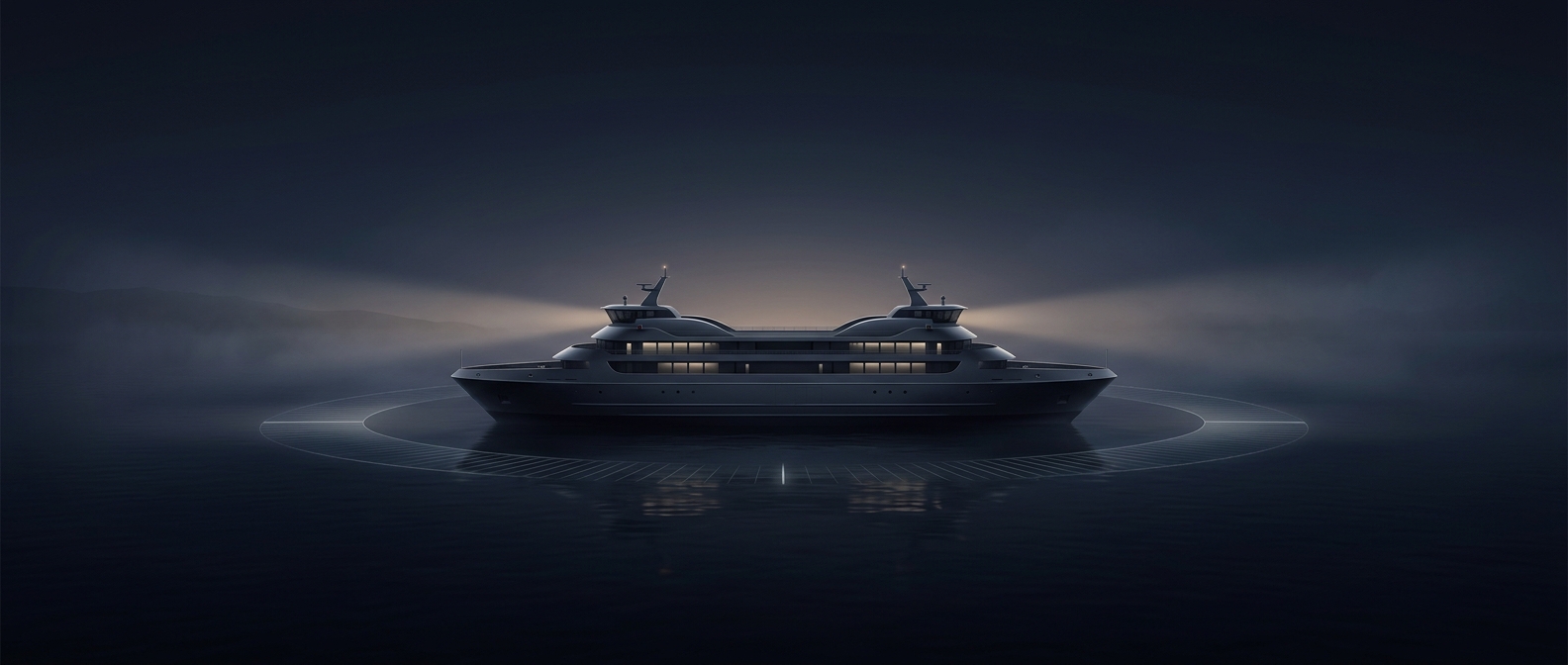
How a ferry can arrive bow-first at both ends
A double-ended ferry is built to travel in either direction without rotating its hull. Its two ends are shaped and equipped alike, with a steering arrangement and a vehicle ramp at each end. At the terminal, the ferry can discharge passengers and vehicles through the ramp facing the shore, then load the next group through that same end and depart the opposite way.
The vessel has not literally changed shape: sailors still distinguish its bow and stern. But for operating purposes, either end can lead. The crew switches which end is powered and steered for the next leg, rather than making a turn in a tight harbor or spending time maneuvering into position.
The design trades turning space for two working ends
On a short route, the crossing may take only a few minutes, so time spent turning around can become a significant part of the whole trip. Eliminating that maneuver helps keep departures moving and makes service more practical where terminals are close together or confined by shorelines and other vessels.
The convenience requires a more specialized ship. Both ends need structures for loading and unloading, and the vessel must be arranged to operate safely in either direction. That means accommodating machinery, steering, and passenger and vehicle movement without relying on one permanently forward-facing end.
The dock becomes the turning point
A double-ended ferry still changes direction across the route; it simply does so without swinging its entire hull around. After crossing, it uses the ramp at the other end and heads back along the same path. The result is a vessel that can shuttle between two close shores with little more than a stop at each dock—where an ordinary ferry might need extra water and time to turn.