The manuscript had to be rewritten to be read
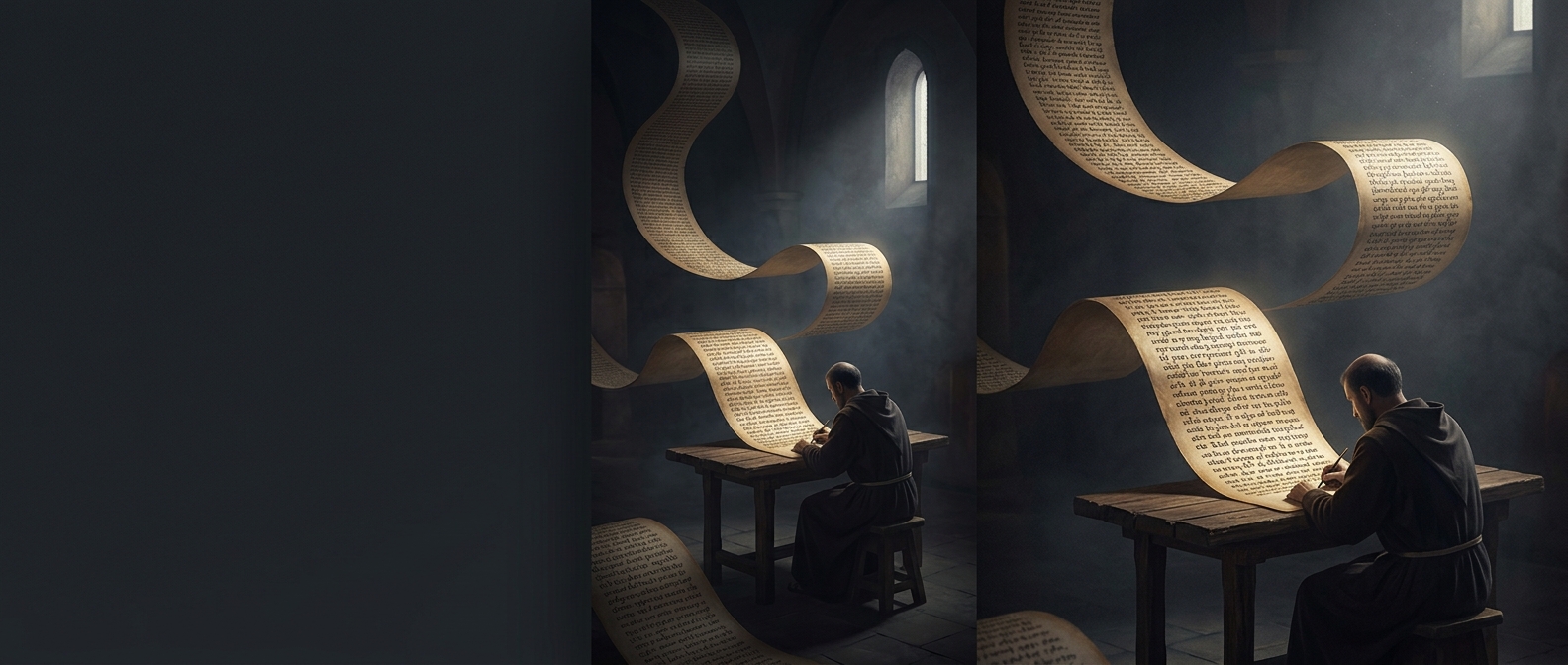
A handwritten novel is not automatically a clean manuscript. Tolstoy’s handwriting was difficult to decipher, and he revised War and Peace as he worked. That left pages crowded with changes and made a readable copy essential—not just for preserving the story, but for letting the author work with a coherent text.
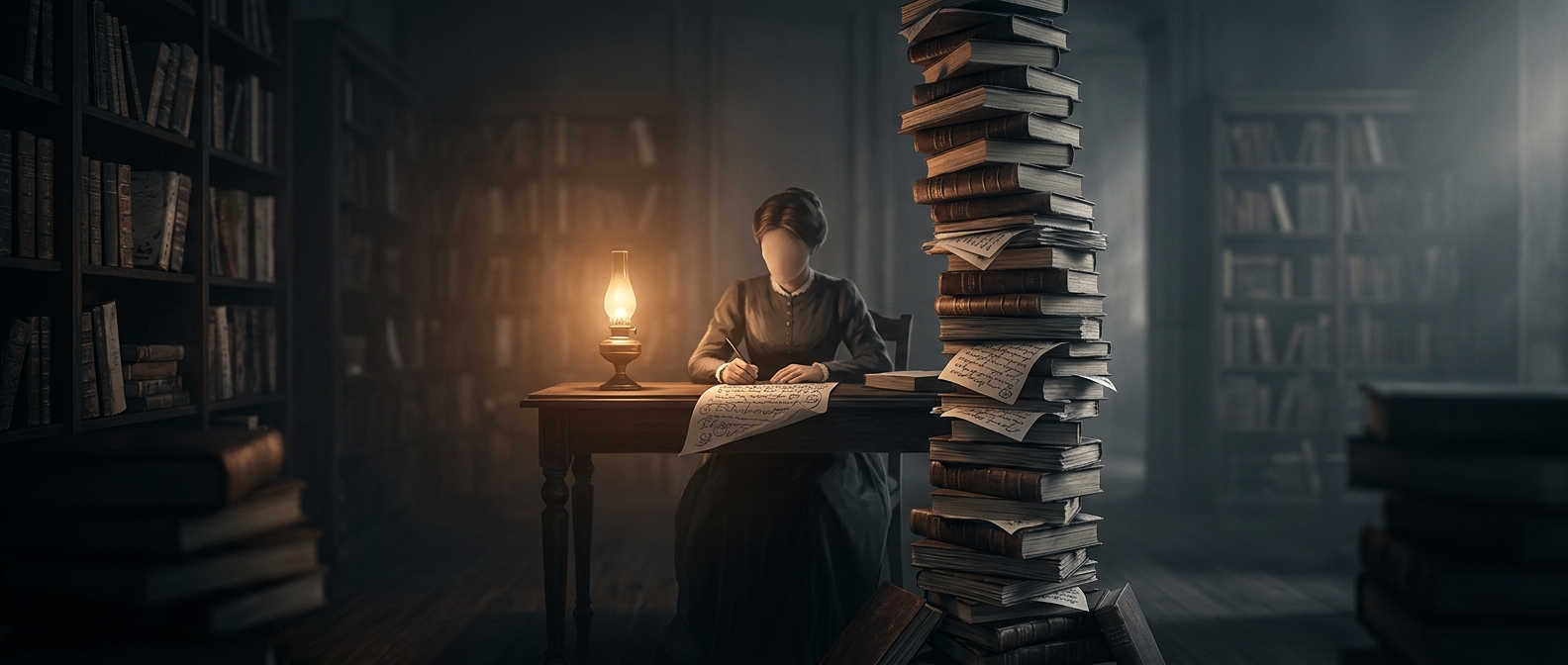
His wife, Sophia, supplied that labor by copying the roughly 1,400-page book by hand. A fair copy is a clean version made from a rough or heavily edited draft. Preparing one meant more than tracing words: the copyist had to make sense of Tolstoy’s writing and carry his revisions into the new pages.
Each copy was part of the writing process
The seven hand-copied versions show how much of a major novel’s creation could happen away from the author’s pen. When Tolstoy changed the manuscript, the work of producing a usable text began again. Copying was therefore part of the practical machinery of composition: it turned unstable, hard-to-read pages into a version that could be reviewed and revised further.
The scale also makes visible a kind of literary work that can disappear behind a famous author’s name. War and Peace was Tolstoy’s novel, but producing its successive readable manuscripts required another person to spend enormous time deciphering and rewriting it. Its many revisions were not only a matter of inspiration; they also depended on the painstaking labor that made the next draft legible.