How the Blemmyes Became a People Without Heads
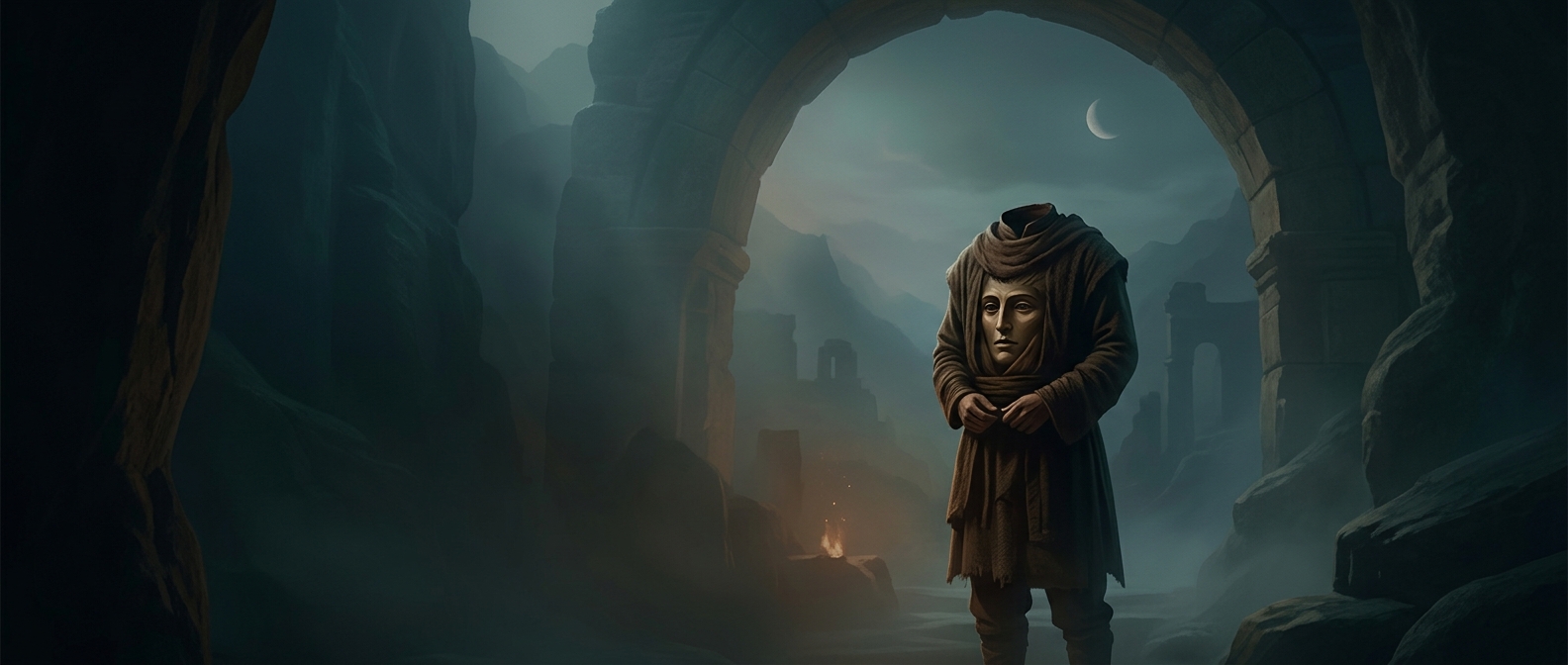
Ancient accounts placed the Blemmyes in remote wilderness near the southern edge of the known world. In those descriptions, the people had no heads: their eyes and mouths sat on their chests. The striking image turned distance into bodily difference, making an unfamiliar population seem as strange as the faraway landscape where writers located them.
The name was not simply invented for a monster. The Blemmyes were a real people associated with regions south of Egypt, but accounts of them could mingle reports about distant communities with stories of marvelous beings. For readers who had never traveled there, the boundary between geographic description and wonder tale was easy to blur.
What the Story Did for Its Readers
Descriptions of headless peoples belonged to a broader tradition of imagining the world’s margins as inhabited by bodies unlike ordinary human ones. Such figures made the unknown vivid and memorable. A face on the chest was more than an unusual detail: it signaled that the people being described belonged to a place beyond familiar experience.
That is why the Blemmyes could appear in writing as both a named population and a marvel. The story tells us less about what people in the wilderness looked like than about how distant places were pictured by those who wrote about them. Once repeated, the chest-face image could outlast the context that gave the name its geographic meaning.