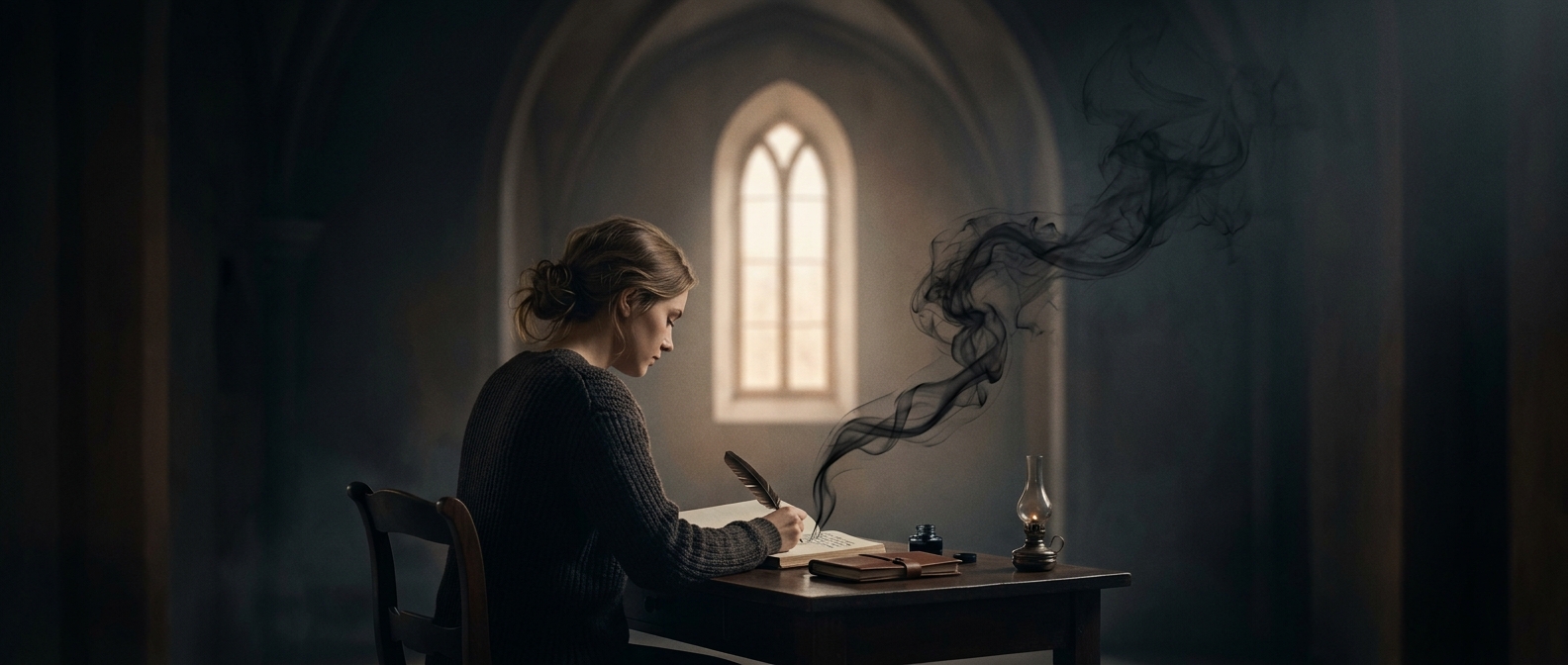
Hiding sadness adds a second mental task
When you try to look fine, you are not simply pushing a feeling aside. You may also be checking your expression, adjusting your voice, choosing safer words, and watching other people for signs that they have noticed. That self-monitoring uses attention that could otherwise go toward understanding what you feel or responding to what brought it on.
The sadness itself does not disappear just because its outward signs are restrained. As a result, the effort to conceal it can keep the emotion in focus: part of your mind is managing the display while another part is still carrying the feeling.
Concealment can interrupt support
Hiding distress also changes what other people can infer. A friend or coworker who sees little sign that you are struggling may assume you are doing all right and carry on, rather than ask what is wrong or offer help. That can leave you with less opportunity to talk through the feeling or receive practical support.
This creates a difficult loop: sadness makes social situations harder, so you mask it; masking takes effort and makes your need less visible; without a response from others, you may have to manage the feeling alone for longer. The mask can reduce the chance of support without reducing the emotion it is meant to hide.
Making room for a small signal
Being open does not require explaining everything or showing every feeling to everyone. A small, direct signal—such as telling someone you are having a rough day—can make your state easier to understand without demanding a full conversation. The point is not that concealment always makes sadness worse, but that constantly managing how you appear can add strain while making help less likely to arrive.