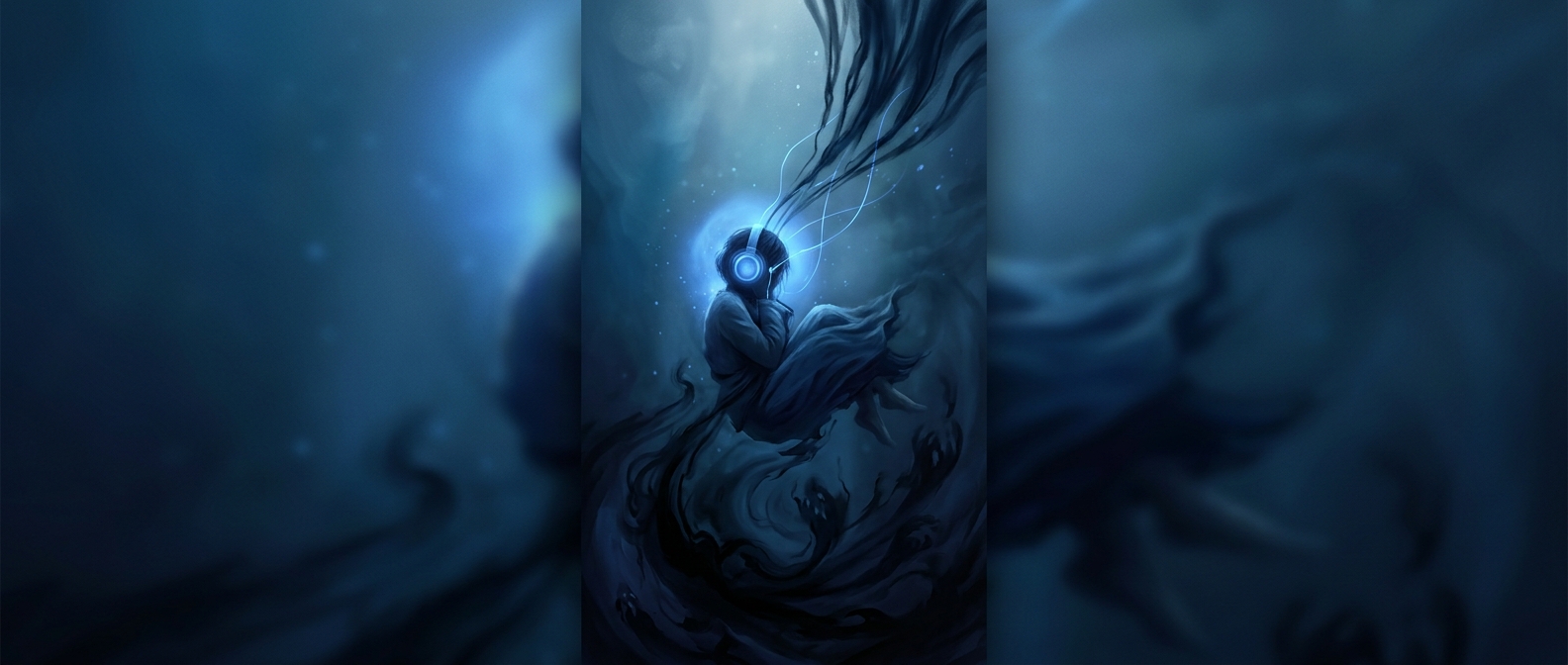
How writing can give a painful thought an ending
A distressing memory often arrives in fragments: a sharp image, a sentence someone said, a surge of embarrassment or grief. Because those pieces are emotionally charged, attention can keep returning to them without resolving what they mean. Writing changes the task. Instead of simply reliving the feeling, you have to select details, put them in sequence, and decide how one event connects to the next.
That shift can create psychological distance—the ability to consider an experience as something that happened, rather than as something happening all over again. On the page, a person can distinguish what they know from what they fear, or name the question that keeps drawing them back. Giving the experience a beginning and an endpoint may make it feel less unfinished.
Closure is a change in the loop, not erasure
Putting feelings into words does not make every loss acceptable or every problem solvable. The same event may still hurt, and writing can sometimes bring difficult emotions closer before they settle. Closure is better understood as a change in how the mind carries the experience: it may become easier to revisit without being pulled into the same repetitive replay.
The useful result need not be a polished account or a lesson learned. Even a few plain sentences can turn an unbounded thought into something with edges—something a person can return to, revise, or set aside for now.