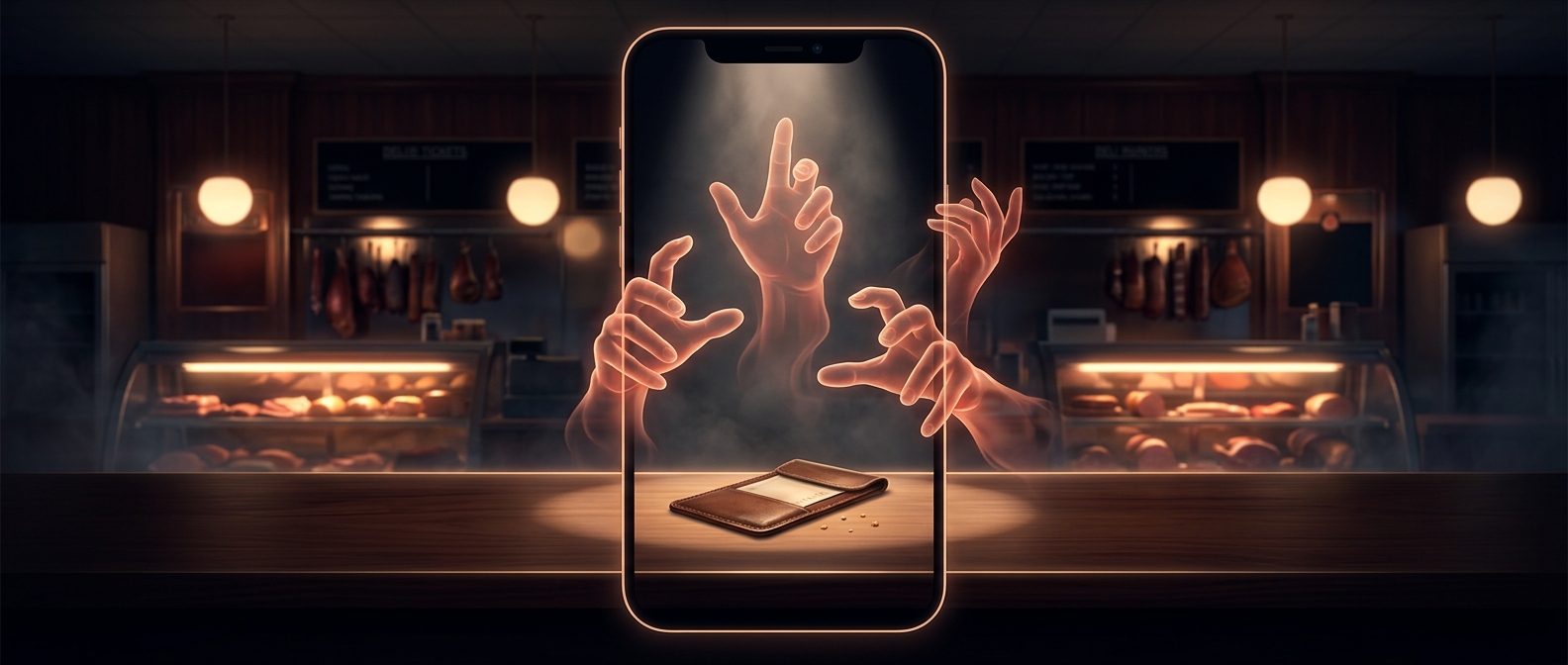
A paper ticket becomes your running tab
At Katz’s, the ticket handed to you on arrival is more than a place-holder. It tracks what you order as you move through the deli: staff record your purchases on it, and you present it when you pay. In a crowded room where customers may order at different counters, the paper slip links each order to the person who will settle the bill.
That system works only if the ticket makes it to the register. Lose it, and the deli cannot reliably reconstruct what you took. Rather than guess at a meal after the fact, Katz’s applies a steep lost-ticket charge—one that can exceed the cost of a small order by a wide margin.
The fee is part of the system’s tradeoff
The charge can feel startling if you bought only a pickle, but it reflects the practical downside of using a portable paper record in a busy restaurant. A customer may have ordered several items at separate stations; without the ticket, staff have no dependable running account to check. The fee also gives diners a strong reason to keep the slip safe until checkout.
So the ticket is worth treating like your wallet, not like a queue number. Hold on to it through the meal, and a simple piece of paper keeps a complicated deli tab attached to the right customer.