When a Menu Becomes Part of the Experience
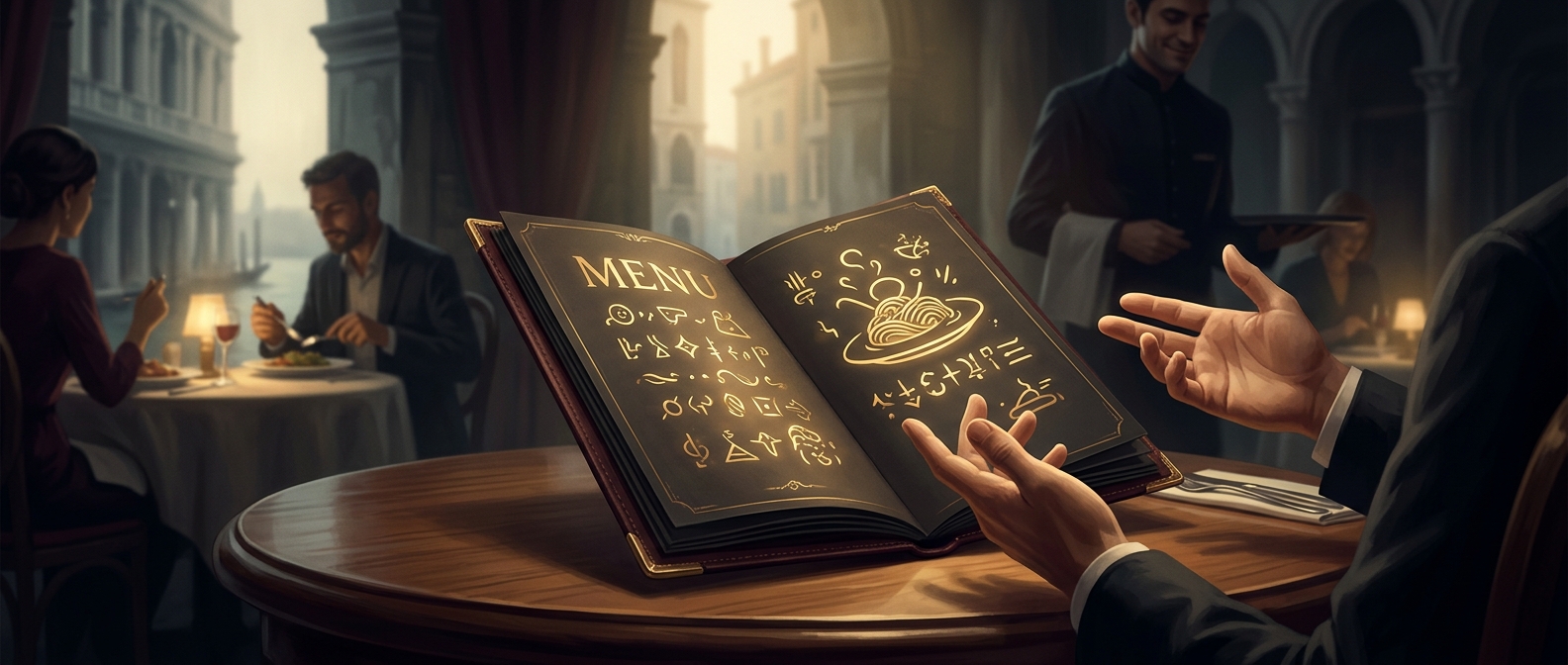
A menu translation can do more than explain what is on the plate. In some restaurants, an awkward English phrase becomes a small attraction in its own right: a visitor pauses over it, laughs, takes a photo, or mentions it to a companion. That moment can make an otherwise ordinary meal feel like a local encounter rather than a transaction.
The Charm Comes From the Contrast
Tourists often rely on English menus to make unfamiliar dishes less intimidating. But a translation that is slightly off can also make the restaurant feel less polished and more personal. The wording suggests that someone has tried to bridge a language gap, even if the result is imperfect. For some guests, that imperfection feels endearing—and gives them a story to tell.
A restaurant may therefore choose not to smooth out every odd phrase. The goal is not necessarily to confuse diners; the quirky wording can help give the place a distinctive character and encourage visitors to linger over the menu. If that good-natured amusement makes the meal more memorable, guests may be more willing to order another dish or recommend the restaurant.
A Deliberate Imperfection
There is a tradeoff: a joke that delights one visitor might leave another unsure what they are ordering. The charm works best when the food remains understandable and the awkwardness feels playful rather than obstructive. In that balance, a translation mistake becomes a piece of hospitality—a tiny reminder that the menu is crossing languages, not just listing dishes.
The result is that an imperfect sentence can help sell not only dinner, but the feeling of having discovered a place with its own personality.