A lightning strike needs a route through the airplane
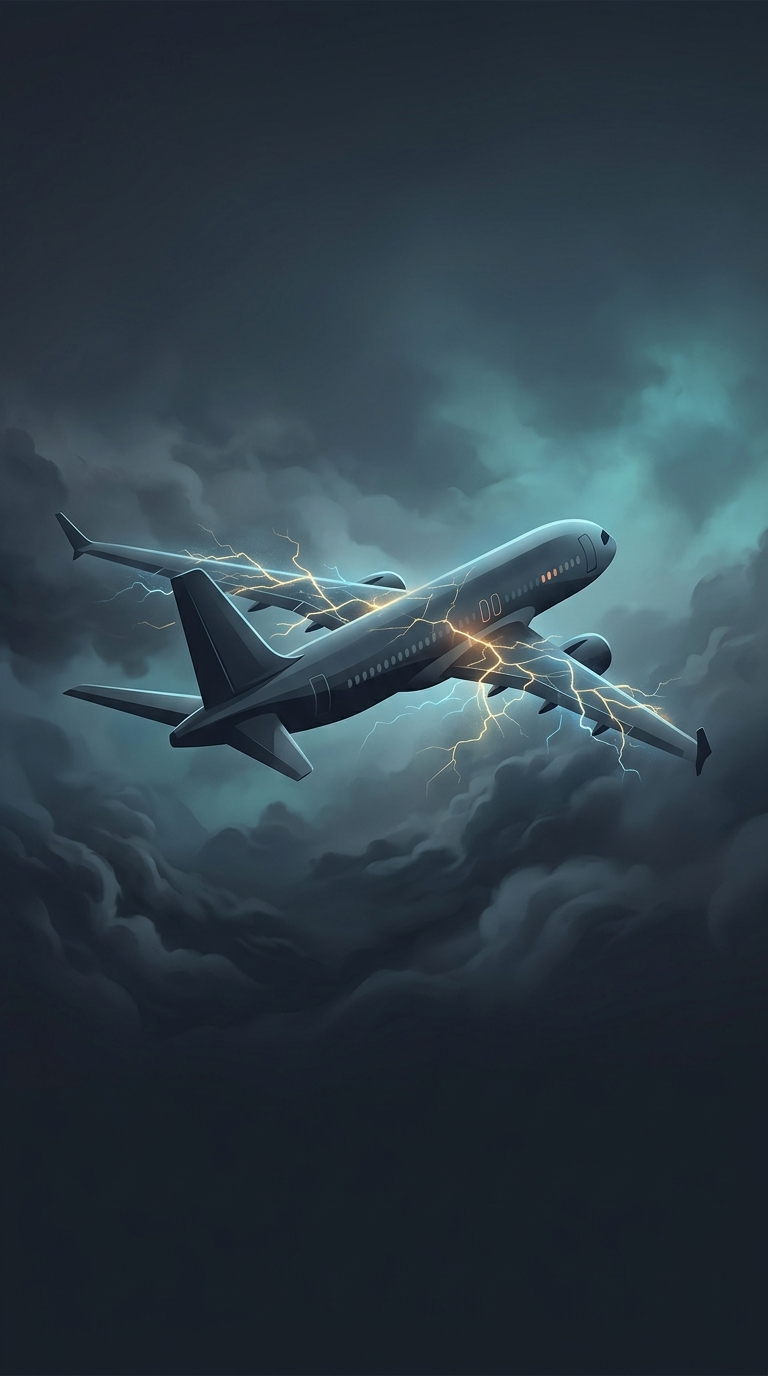
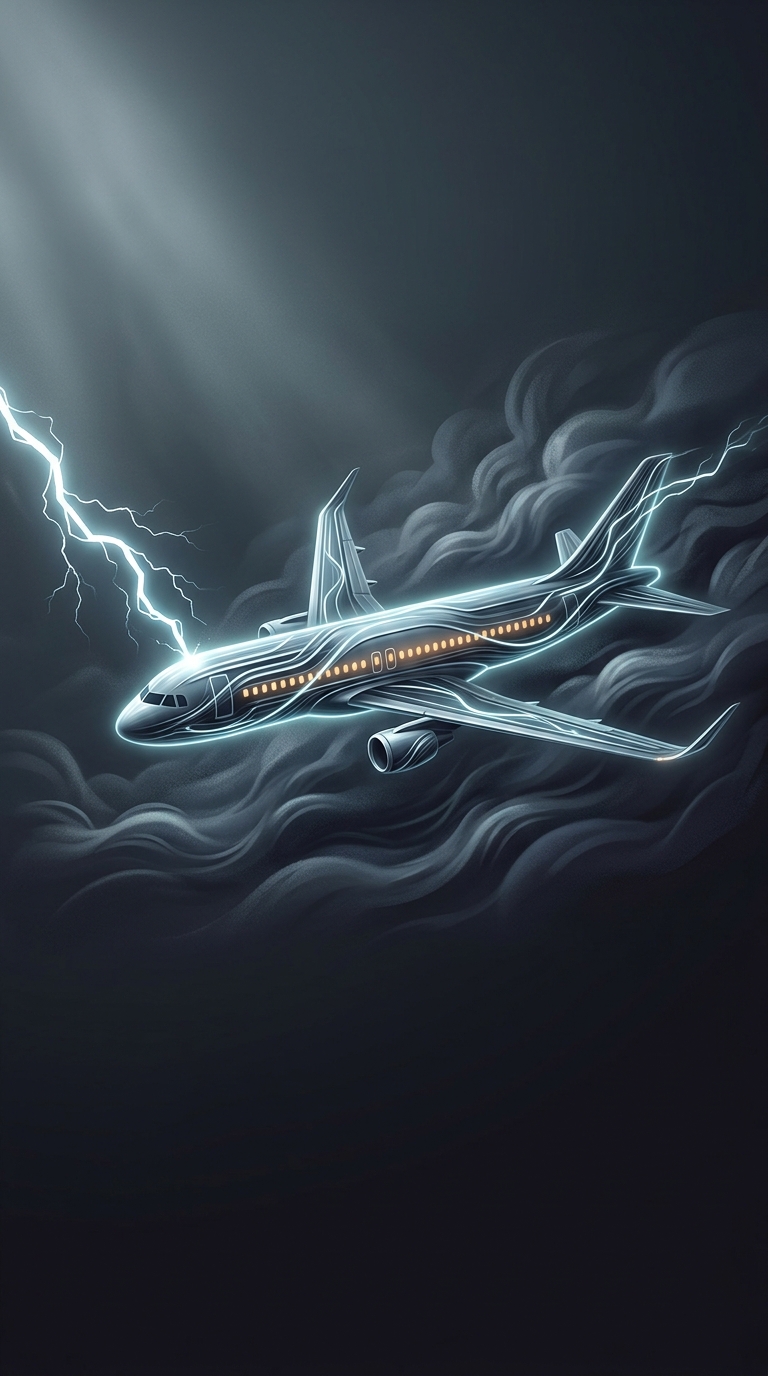
When lightning hits an aircraft, the electrical discharge usually attaches at one point on the nose, wing, or tail, then travels over the outside of the airframe and leaves at another point. The airplane is not simply blocking an enormous charge; its structure is designed to give that charge a controlled path that avoids the occupied cabin and critical equipment as much as possible.
On an aircraft with an aluminum skin, the metal conducts the current across the fuselage. Sections of the airframe are electrically connected so that joints do not become unintended gaps where the discharge could arc. The cabin is therefore surrounded by a conductive structure, much like the protective enclosure known as a Faraday cage.
The protection is built into more than the skin
Modern aircraft may use substantial composite materials, which do not conduct electricity as readily as aluminum. In those areas, engineers add conductive layers—such as fine metal mesh or foil—to carry lightning current across the surface. The design also accounts for openings and vulnerable points: wiring, fuel systems, antennas, and electronic equipment need protection against both direct current and the brief electromagnetic pulse a strike can produce.
That pulse can induce unwanted voltage in circuits even when lightning never touches them. Shielded cables, grounding, and surge-protection components help keep a sudden electrical disturbance from becoming a loss of control or navigation. The aim is not to make every part immune to electricity, but to keep the strike’s energy on a predictable route and prevent it from disrupting essential systems.
A strike still calls for an inspection
The exterior can show small burn marks or damaged surface material where the lightning entered or exited. After a reported strike, maintenance crews inspect those points and check relevant systems; composite areas may need particular attention because damage can be less obvious beneath the surface.
This layered approach—conductive pathways, protected electronics, and inspection—helps explain why lightning strikes have not brought down a commercial airliner since 1967. A strike can leave evidence on the airplane, but the engineering is designed to keep that evidence on the outside rather than turn it into an emergency in the cabin.