
A closer look
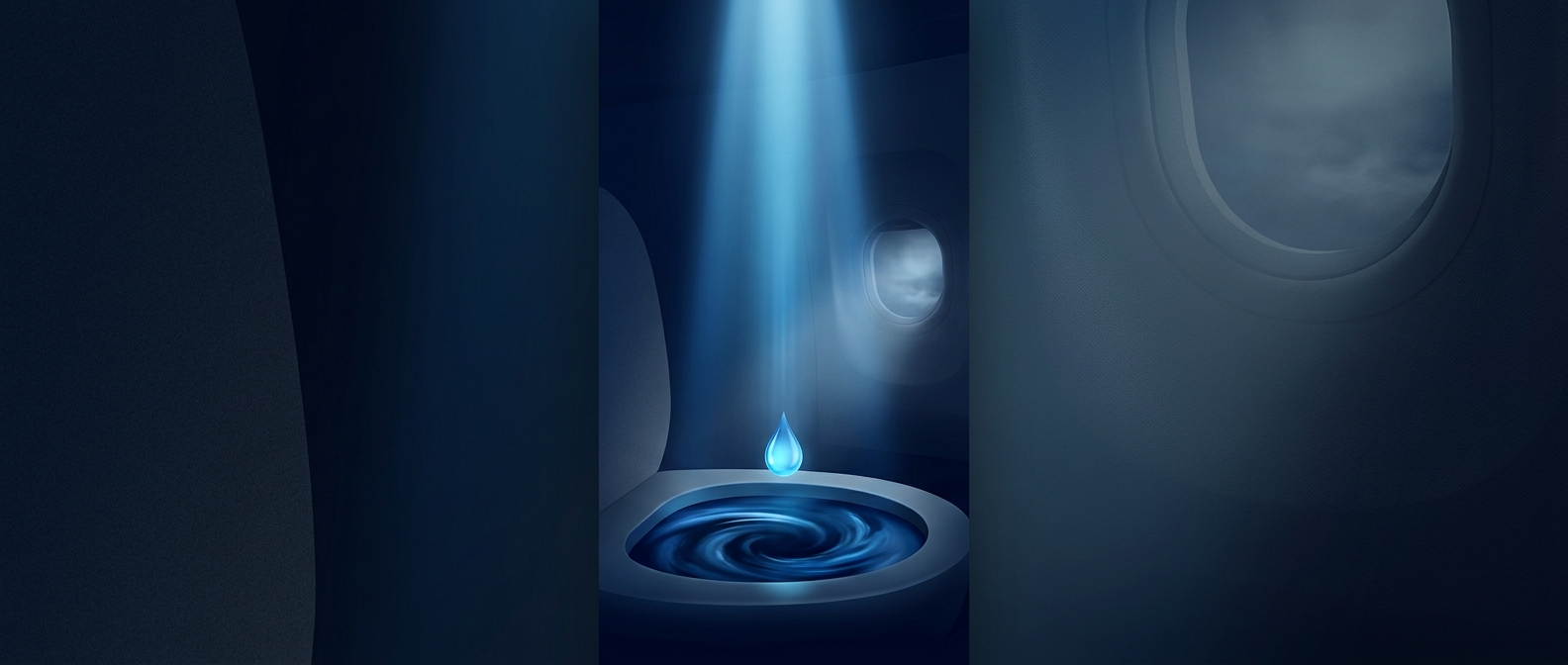
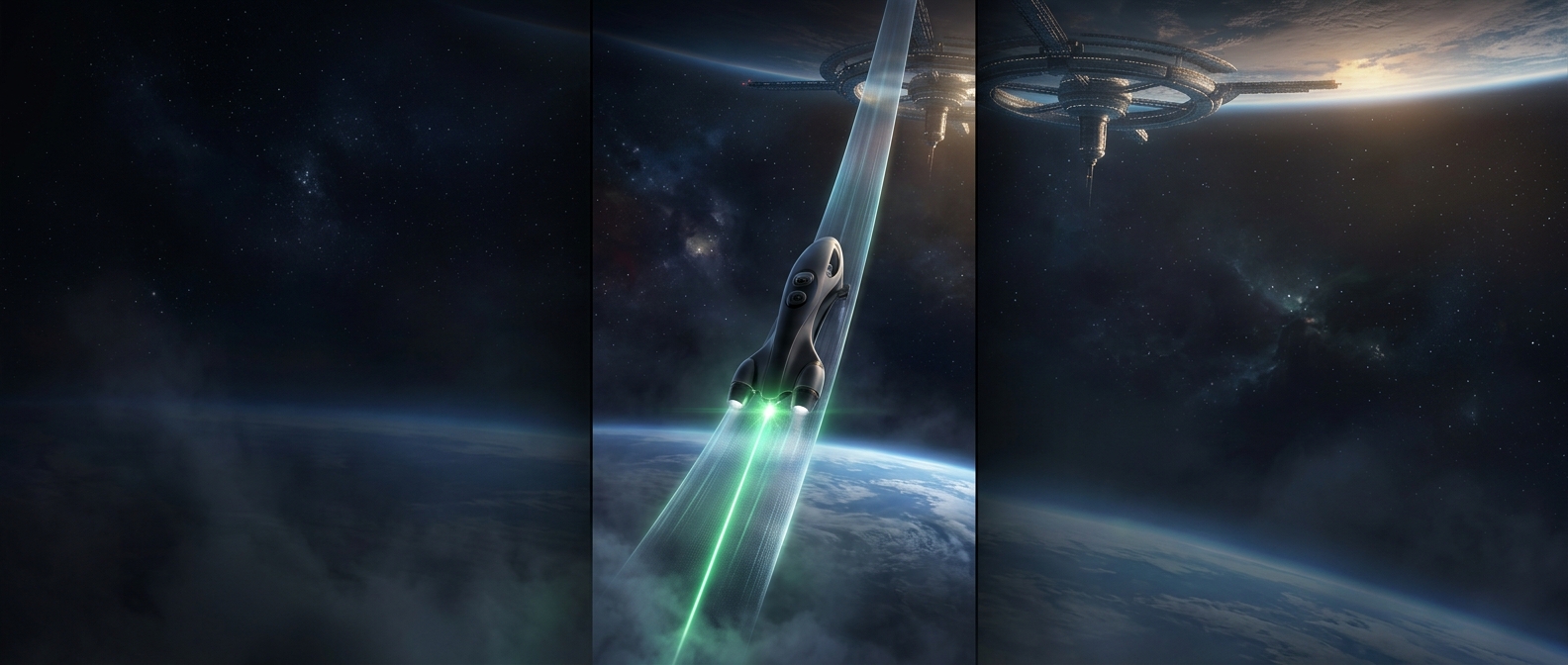
NASA spent twenty-three million dollars designing a specialized titanium toilet for the International Space Station to transport human waste away from astronauts in a zero-gravity environment. The system utilizes powerful vacuum suction to ensure that biological materials do not simply float around the cabin and ruin billions of dollars of delicate scientific equipment. It is incredibly poetic that at the very peak of human aerospace engineering, the brightest minds on the planet still had to dedicate years of research to figuring out how to stop fecal matter from drifting into a control panel. Space exploration is frequently romanticized as the glorious destiny of mankind, but a significant portion of orbital transport logistics literally just revolves around managing the gross biological realities of meat sacks trapped in a metal tube hurdling through a freezing vacuum