Why eastbound flights can feel harder on the body clock
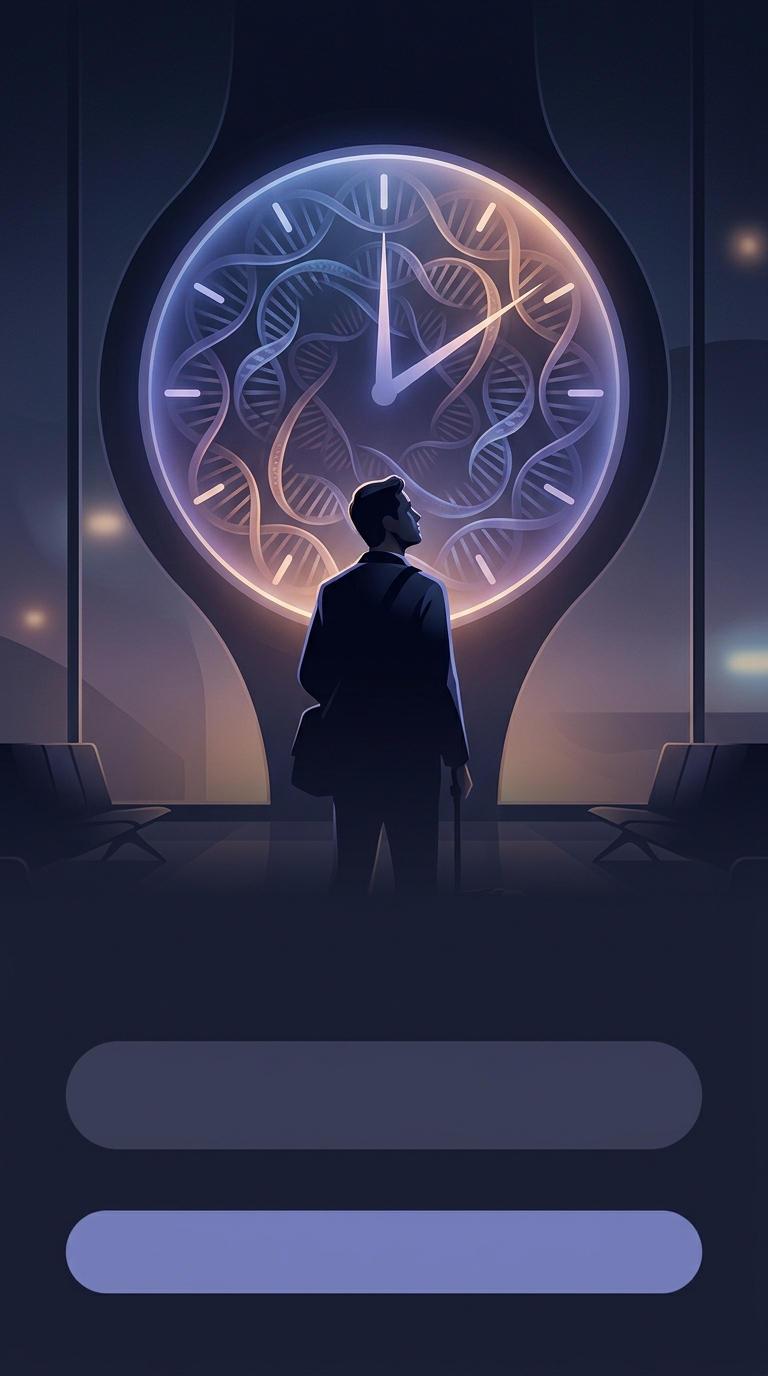
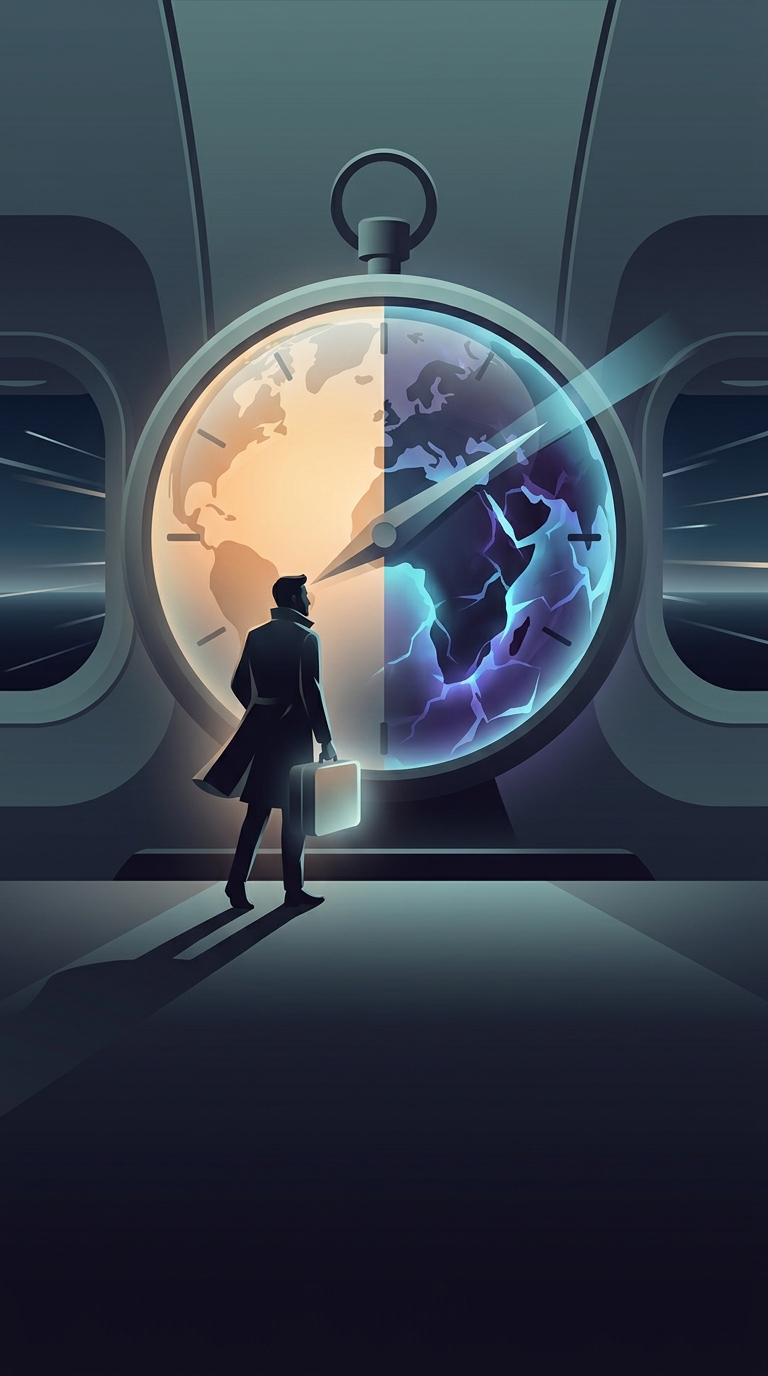
Jet lag is the mismatch between local time and your internal circadian clock—the roughly day-long rhythm that helps regulate sleep, alertness, and other bodily processes. Flying east usually shifts the clock forward: when it is bedtime at your destination, your body may still be acting as though it is earlier in the evening.
That shift often takes more adjustment than traveling west, which moves the clock later. Human circadian rhythms tend to run a little longer than 24 hours, so delaying sleep and wake times can come more naturally than advancing them. Eastbound travelers are effectively asking the body to do the harder adjustment: fall asleep and wake earlier than its rhythm expects.
Light is the clock’s main reset signal
The body does not instantly switch to the destination’s schedule when a plane lands. Light reaching the eyes helps reset the circadian clock, but its effect depends on when it arrives. At the wrong point in the body’s cycle, light can shift the clock in the opposite direction from the one a traveler needs.
That is why jet lag is not simply a matter of being tired after a long flight. Crossing several time zones can leave sleep, alertness, and local daylight out of sync while the internal rhythm gradually catches up. The exact experience varies with the traveler and the trip, but eastward travel more often requires a difficult advance of the body clock—making an early local bedtime feel biologically premature.