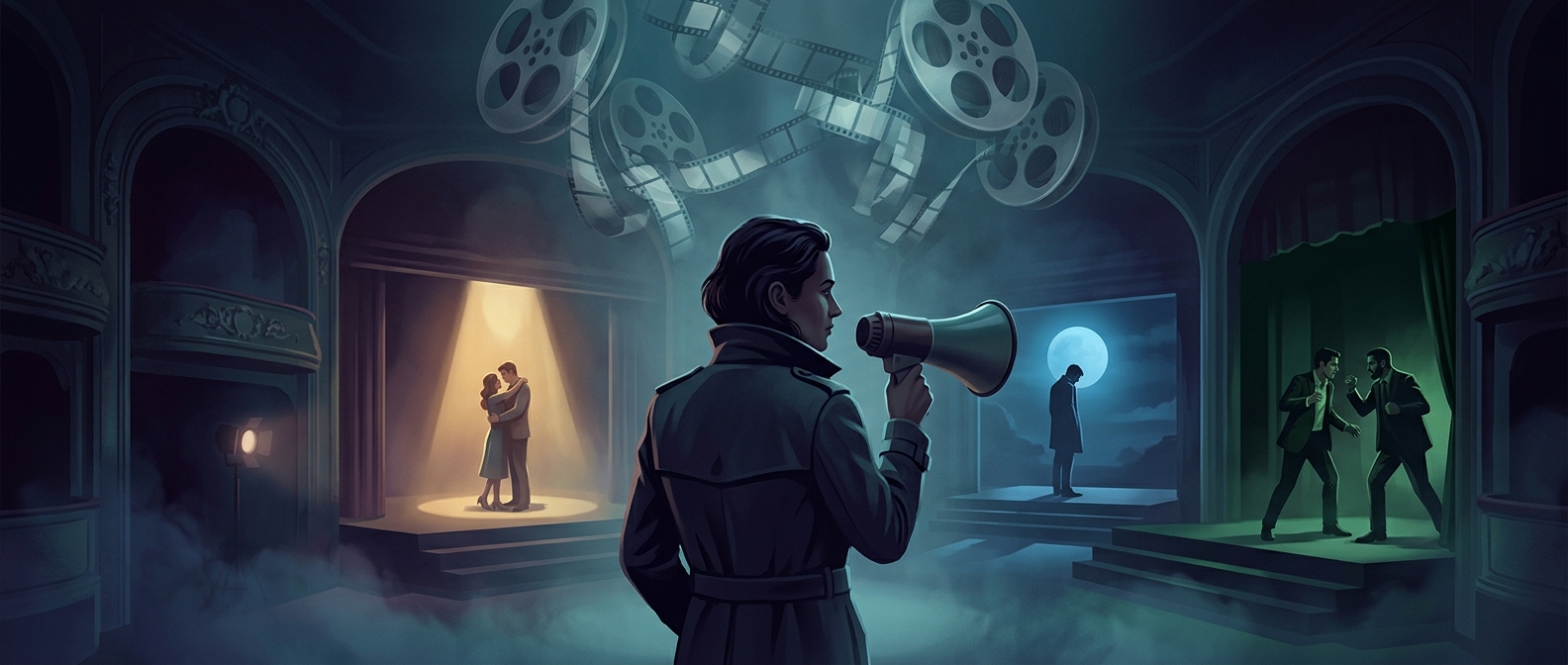
A decoy ending makes a leak harder to interpret
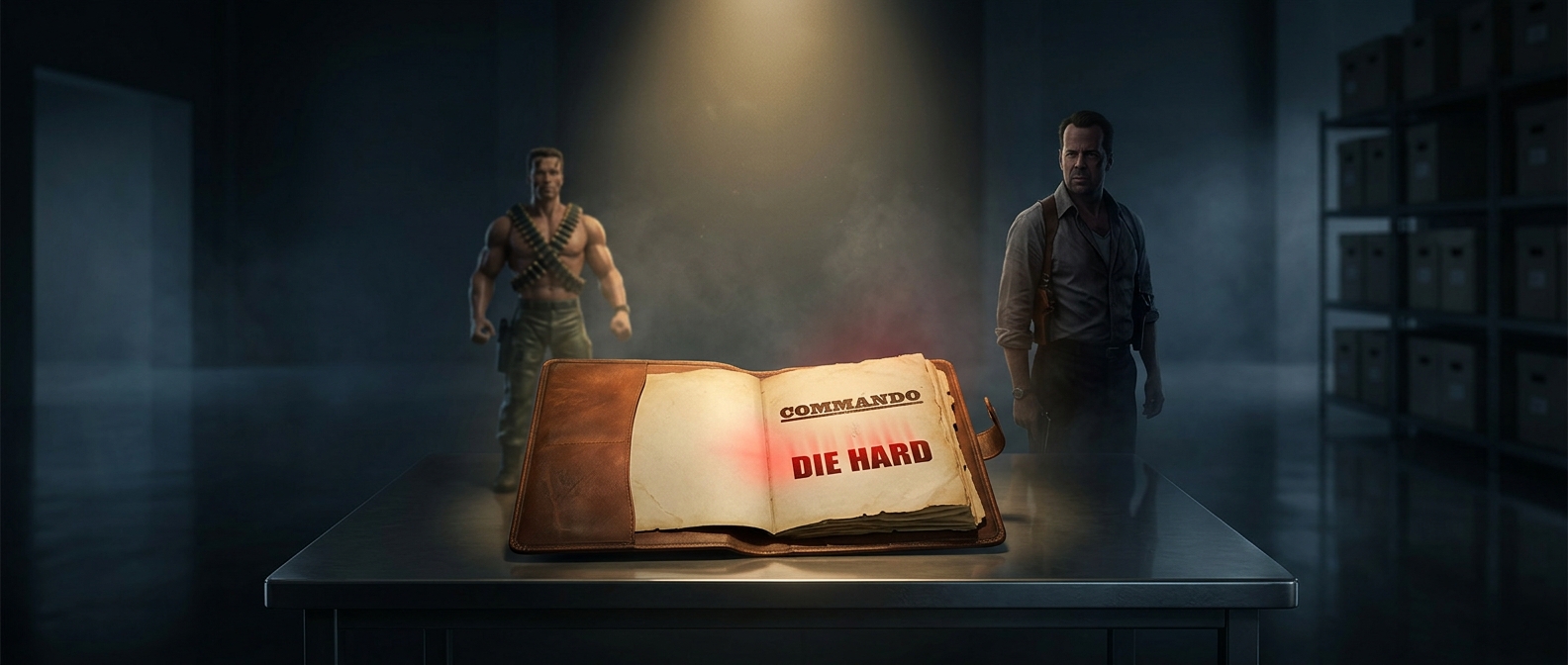
A finished movie has one ending, but a production may film more than one version before settling on it. If a scene from the shoot escapes, outsiders may not know whether they have seen the real conclusion or a discarded alternative. That uncertainty can blunt a leak’s impact: a revealing-looking scene is not necessarily proof of how the story ends.
The tactic can also limit how much any one person knows. Cast and crew need to perform the scenes they are given, but they may not all be told which version will appear in the final film. The less certain the ending is across the production, the harder it can be for a single leaked detail to settle the question.
Extra footage has a real production cost
An alternate ending is not just a page in a script. It may require actors, sets, lighting, costumes, and crew to assemble for another scene. Studios therefore have to weigh the value of keeping the ending under wraps against the time and money needed to film material that may be discarded.
And a decoy is not a perfect shield. A leak can still reveal genuine plot information, and people involved in making the film may recognize which version is intended. The practical aim is narrower: make a leaked ending less conclusive, even if the unused scene never reaches an audience.