How a firefight becomes a loot loop
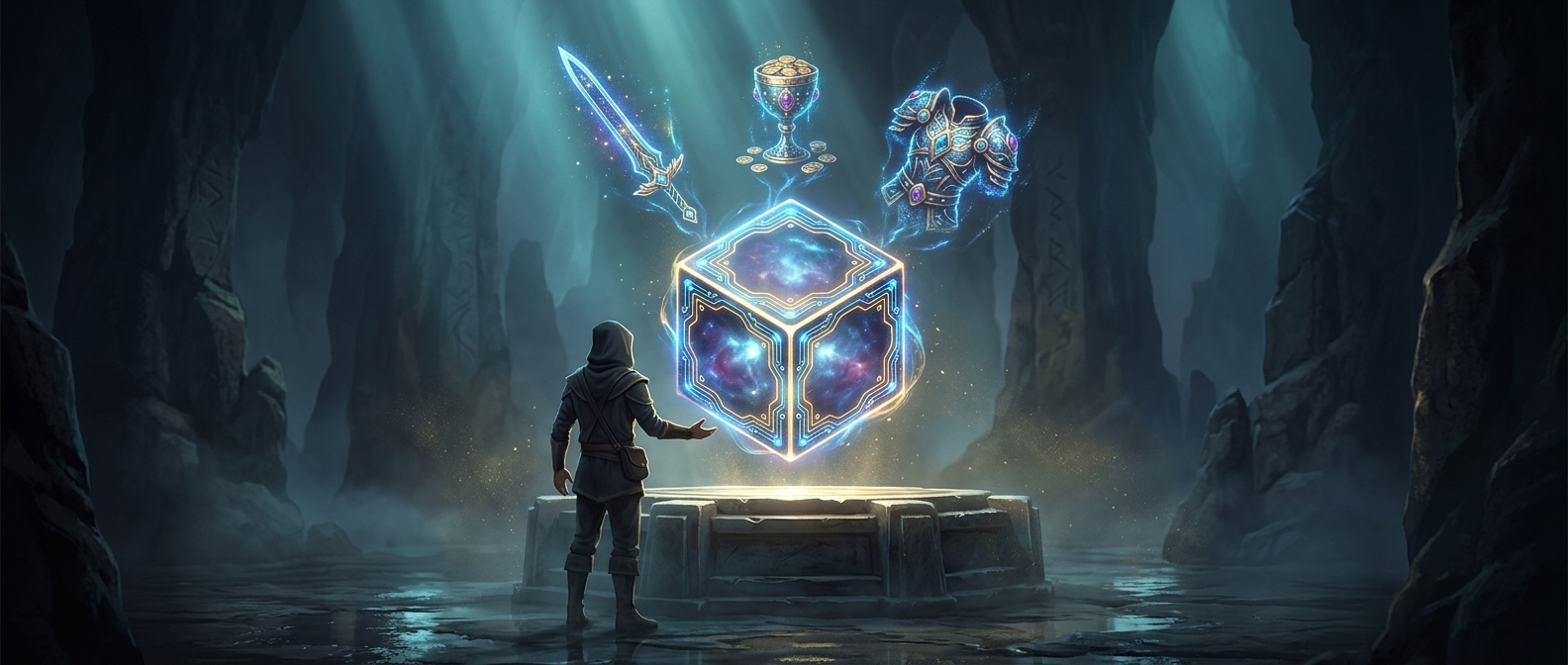
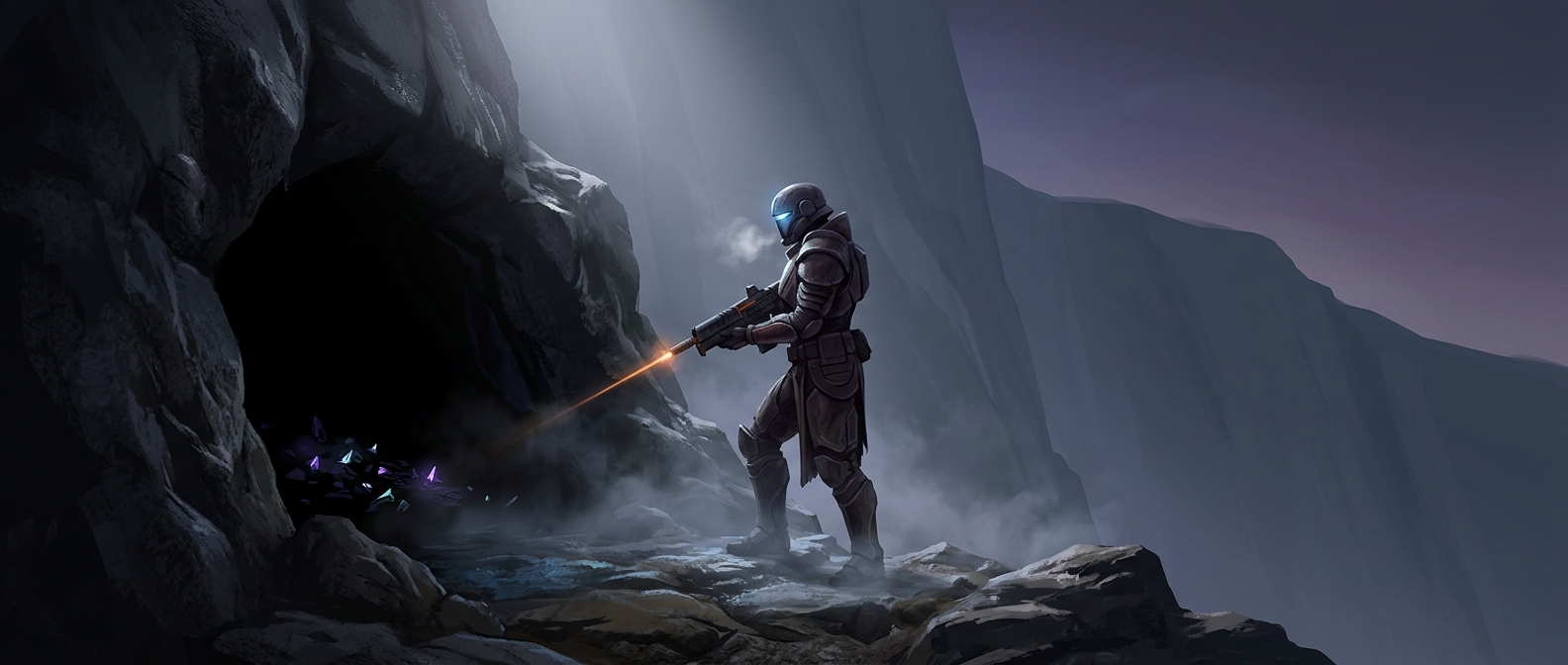
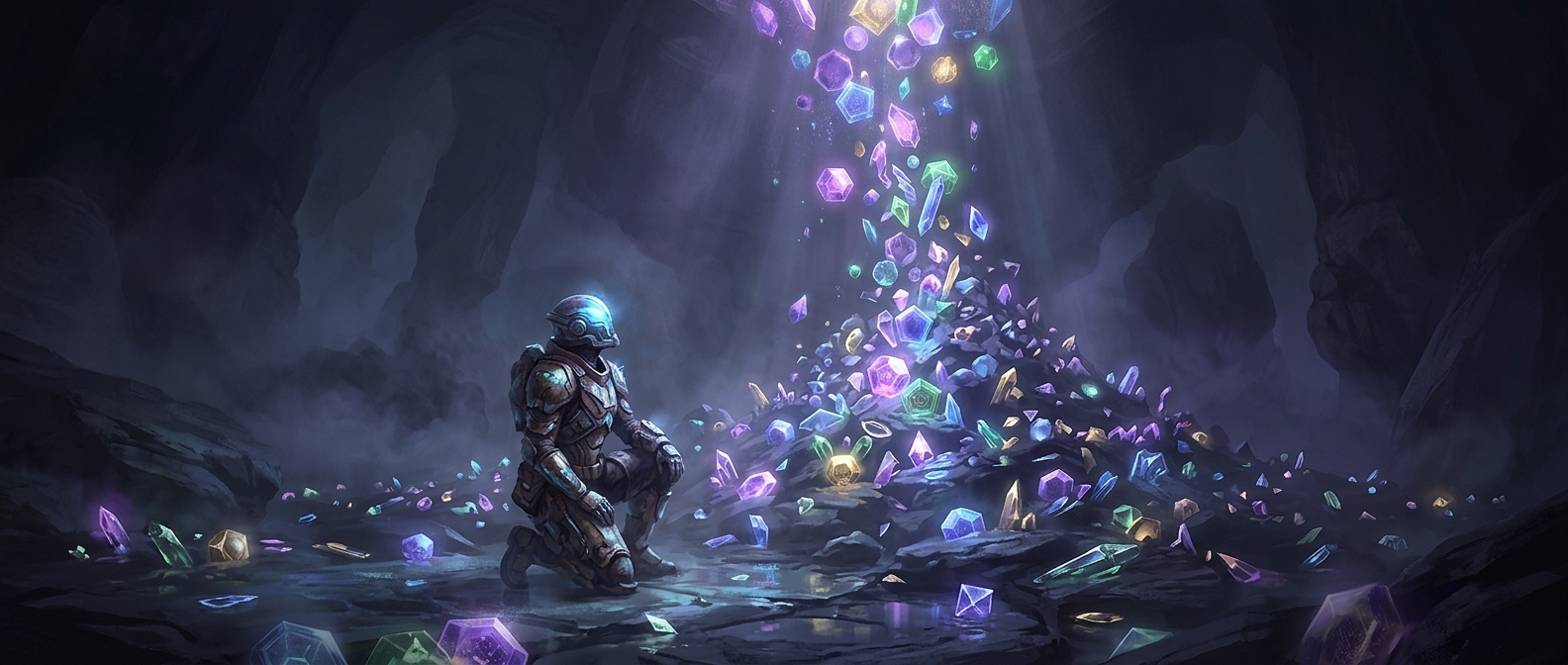
In Destiny, combat often pays out twice: enemies are defeated, and their drops may include an engram, an item that can be turned into equipment. A purple engram signals high-rarity gear, but it does not guarantee a dramatic upgrade. The item’s stats and other attributes are randomized, so players may find that a new helmet or weapon improves only one part of a carefully assembled loadout—or improves nothing they value.
That uncertainty gives familiar fights a second purpose. A player can repeat an activity not because its encounters are new, but because each run offers another chance at a better combination of gear. The reward is not simply “more power”; it is the possibility that this particular drop will fit the character better.
Why small upgrades keep a long game moving
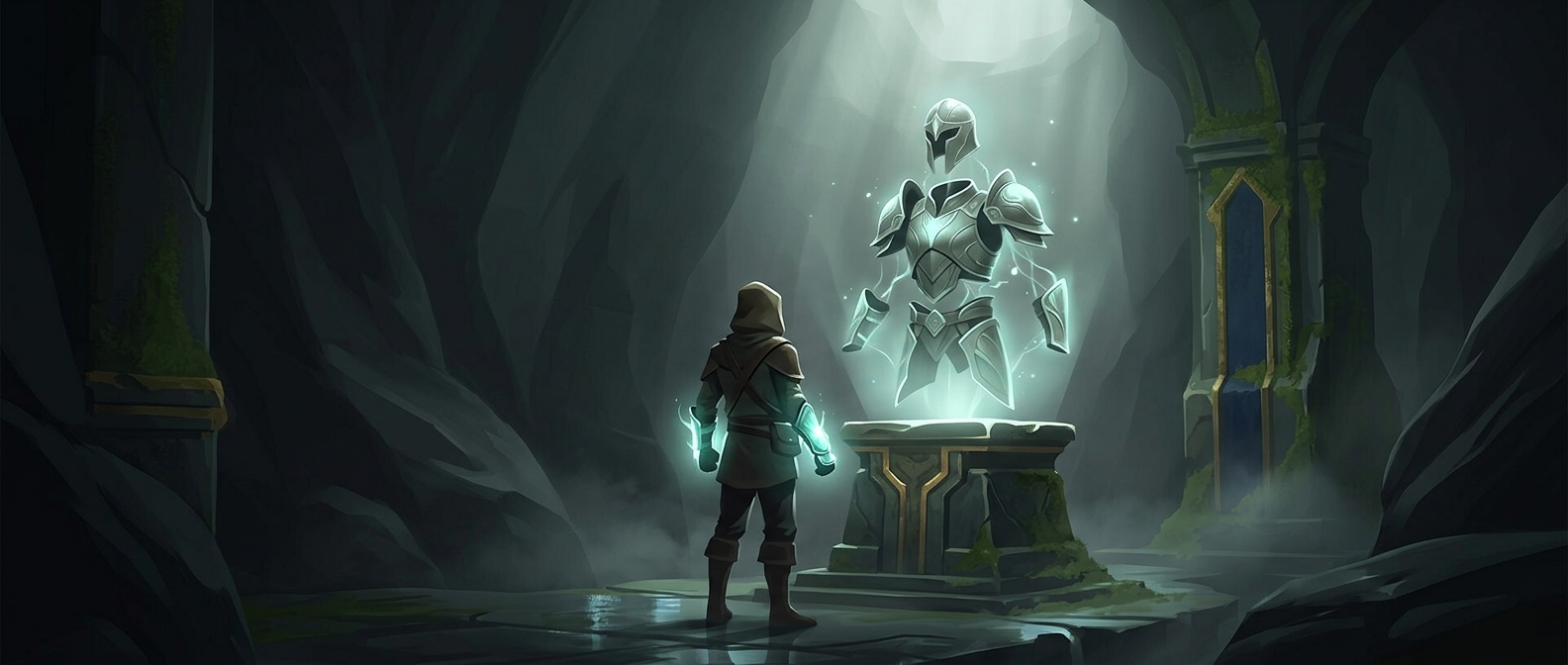
Random rewards turn progress into a series of comparisons. Players inspect a drop, weigh its benefits against what they already use, and decide whether to equip it, save it, or keep hunting. Even a modest improvement can matter when many pieces contribute to a character’s overall effectiveness. The next run therefore feels close to useful progress, without guaranteeing it.
That is the tradeoff behind the grind. Randomness makes repeated missions potentially surprising, but it also means time spent fighting may produce only a minor gain—or none at all. The same loop that gives a shooter a steady stream of rewards can make its battlefield feel like a workplace: shoot, collect, compare, and go back for another chance.