Why a Victory Still Leaves Loot to Chance
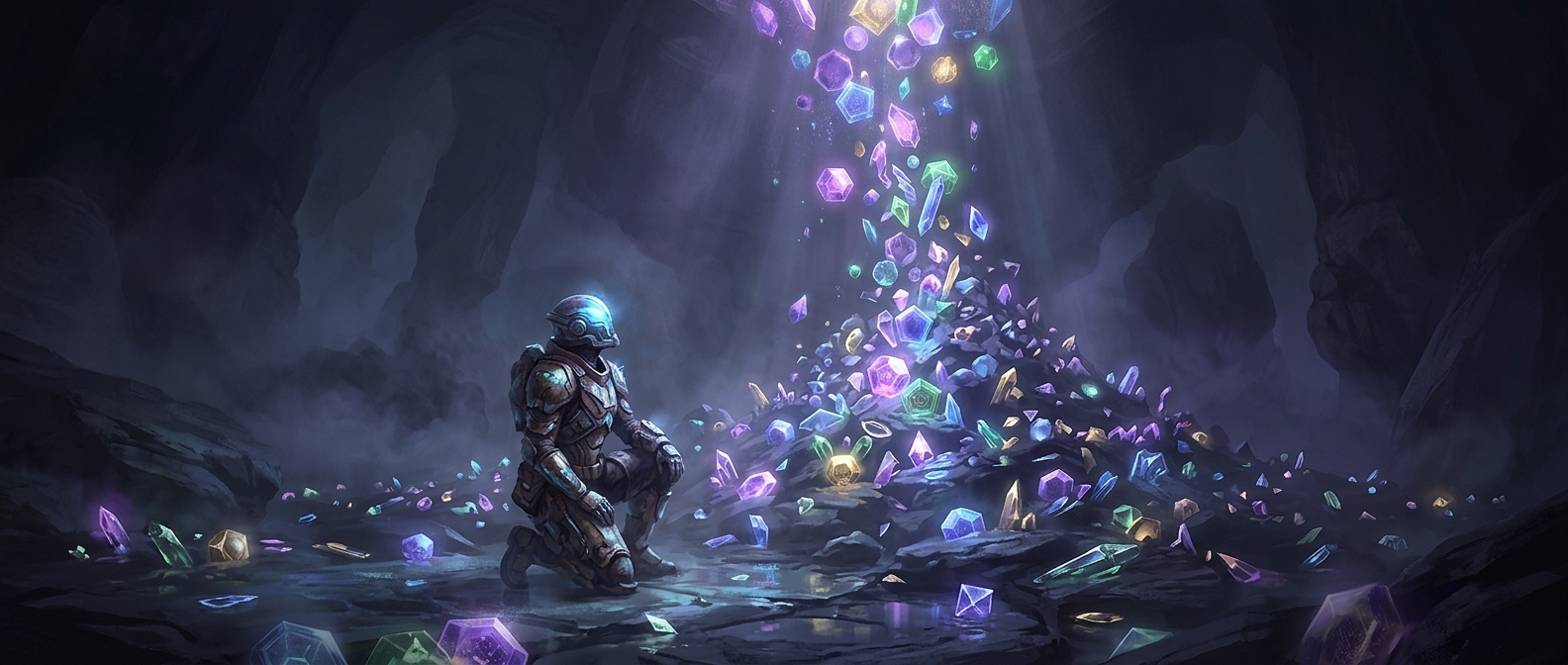
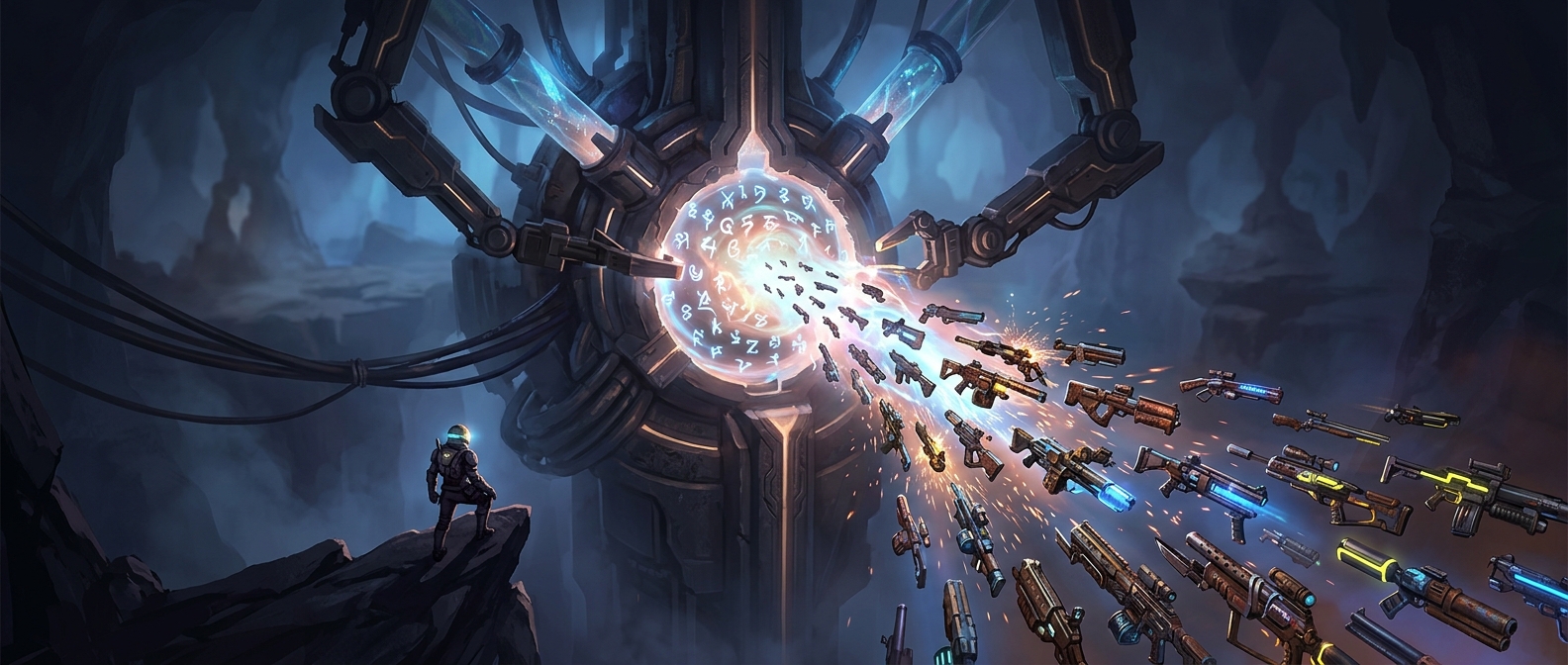
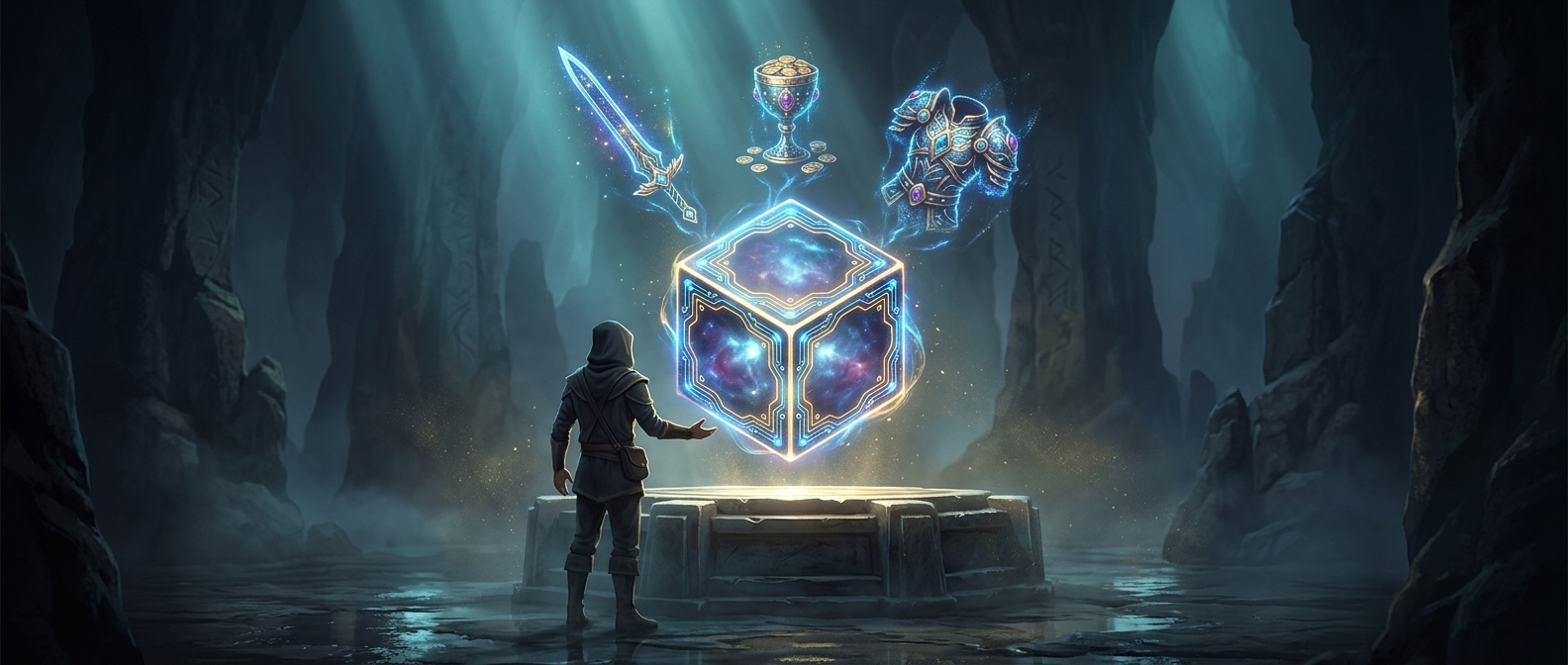
A boss fight can test timing, equipment, and teamwork, yet its reward may hinge on a random number generator (RNG): software that produces outcomes the game treats as unpredictable. When the battle ends, the game checks its reward rules and uses the result to determine what drops. The same effort can therefore lead to a powerful item one time and a common one the next.
That uncertainty serves a design purpose. If the best reward were guaranteed after a fixed number of victories, players could plan exactly when to stop. Random drops make each run feel potentially worthwhile and can keep players returning to a familiar fight. The tradeoff is that effort and reward no longer line up neatly: a player may win repeatedly without seeing the item they want.
The Odds Are Part of the Design
RNG does not mean every item is equally likely. A game can assign different chances to different reward tiers, or apply separate checks for whether an item drops and which item it is. A “legendary” label usually marks a rare tier, not a promise that a difficult boss will award one. The precise odds depend on the game’s rules, which players may not be able to see.
Some games soften the streaks. A pity system increases the chance of a desired reward after repeated misses, or guarantees it after a set number of attempts. Others let players earn tokens from each run and exchange them for equipment, turning luck into progress. These systems preserve the thrill of a lucky drop while giving players a route that does not depend entirely on chance.
The result is a tension at the heart of loot design: randomness can make a familiar victory exciting again, but without a visible path forward, the same uncertainty can make hard-won success feel empty.