How one papacy split into rival claims
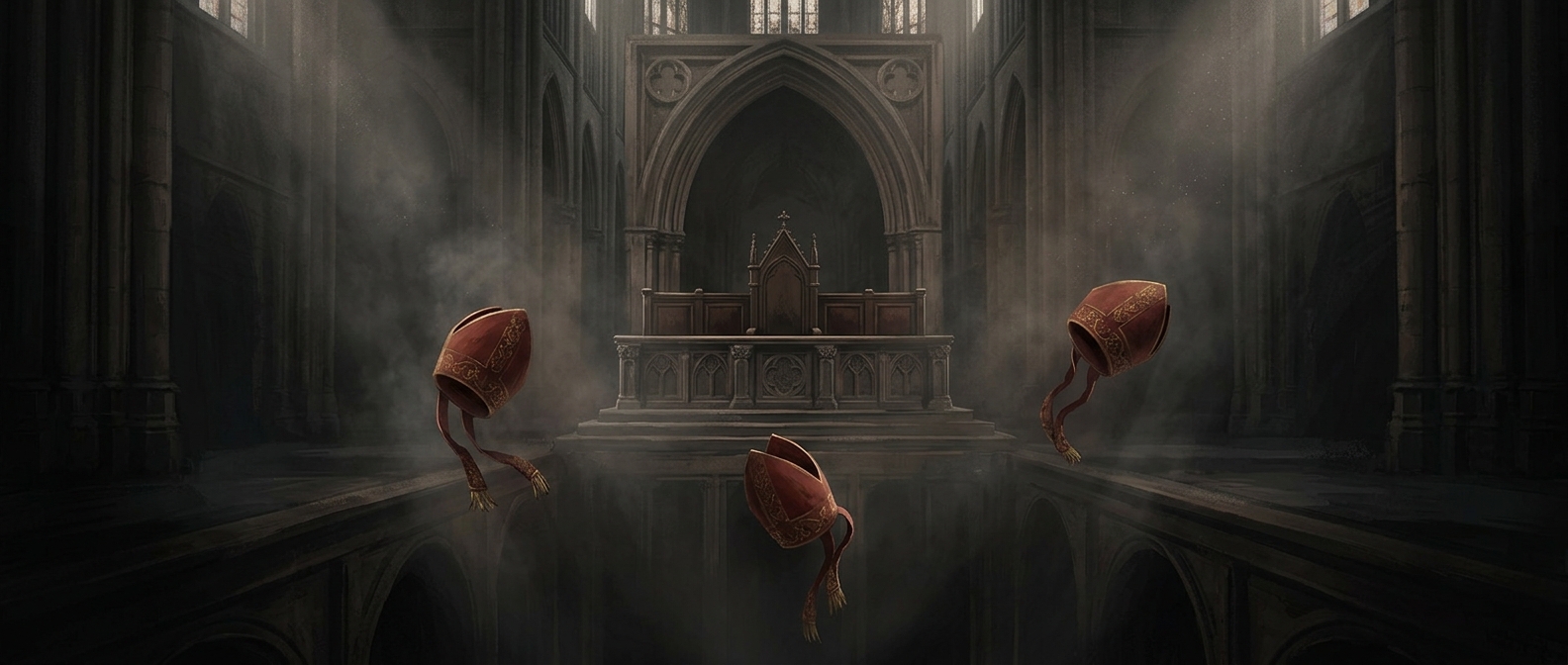
The Western Schism began in 1378, when a disputed papal election produced rival claimants. The division deepened in 1409: a council at Pisa tried to resolve it by choosing another pope, but the existing claimants did not step aside. Instead of replacing two popes with one, the move left three men claiming the office.
They were Gregory XII, based in Rome; Benedict XIII, based in Avignon; and John XXIII, chosen by the Pisa faction. These were not simply three men holding the same job in one place. Kings, clergy, and church communities backed different claimants, so allegiance to a pope also reflected political relationships. Each camp maintained its own administration and appointed its own officials.
Constance untangled the claims
The Council of Constance, which met from 1414 to 1418, had to do more than select a successor: it had to clear away competing claims. John XXIII was deposed by the council. Gregory XII’s representatives presented his resignation, while Benedict XIII refused to resign and was declared deposed.
Those different routes mattered. A voluntary resignation, a council’s decision to remove a claimant, and an election were distinct steps in restoring a single papacy. Constance used all three rather than relying on one act that every faction might reject.
In 1417, the council elected Martin V. With the rival claimants removed from the contest, the election gave the church a pope whom its divided authorities could rally around. The crisis showed how hard it was to settle a dispute over a central office when the very people who could judge legitimacy were divided over whom to obey.