Why headbanging can leave your neck sore
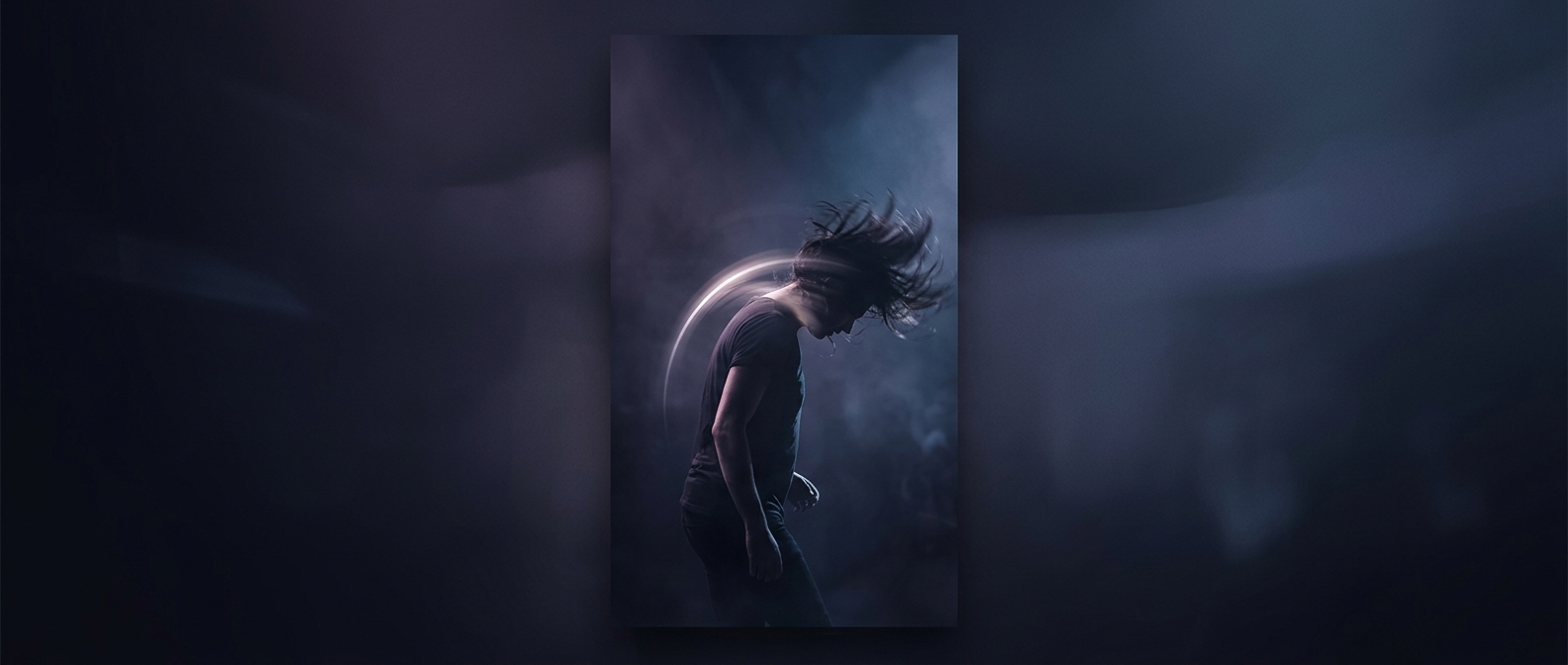
Your head is relatively heavy, and your neck muscles have to control it as it swings. During headbanging, those muscles repeatedly pull the head forward and backward, then work to slow it and reverse direction. That quick braking and restarting can strain muscle fibers, especially when the movement is forceful, prolonged, or unfamiliar.
The motion resembles the rapid back-and-forth movement associated with whiplash, but a sore neck after a concert does not automatically mean a whiplash injury. It may be ordinary muscle soreness from overwork; more serious injuries are possible, particularly with abrupt, extreme movement.
Why the soreness can arrive later
Muscle strain can involve tiny disruptions in muscle fibers. The body’s response to that stress develops over time, so stiffness and tenderness may become more noticeable after the music stops rather than during the song. Turning the head or looking up can then hurt because the affected muscles are being asked to contract or stretch again.
The nickname “bangover” captures that next-day aftermath, but it does not describe a separate medical condition. How much soreness someone feels depends partly on how intensely and how long they moved, as well as their individual conditioning.
The head is not the only thing to consider
Keeping the movement smaller and letting the torso share some of the motion can reduce how much work the neck has to do. Pain that is severe, worsening, or accompanied by symptoms such as weakness, numbness, or a severe headache is different from routine post-concert stiffness and warrants medical attention. The same motion that makes a crowd look synchronized can leave each person’s neck doing repeated work to catch a moving head.