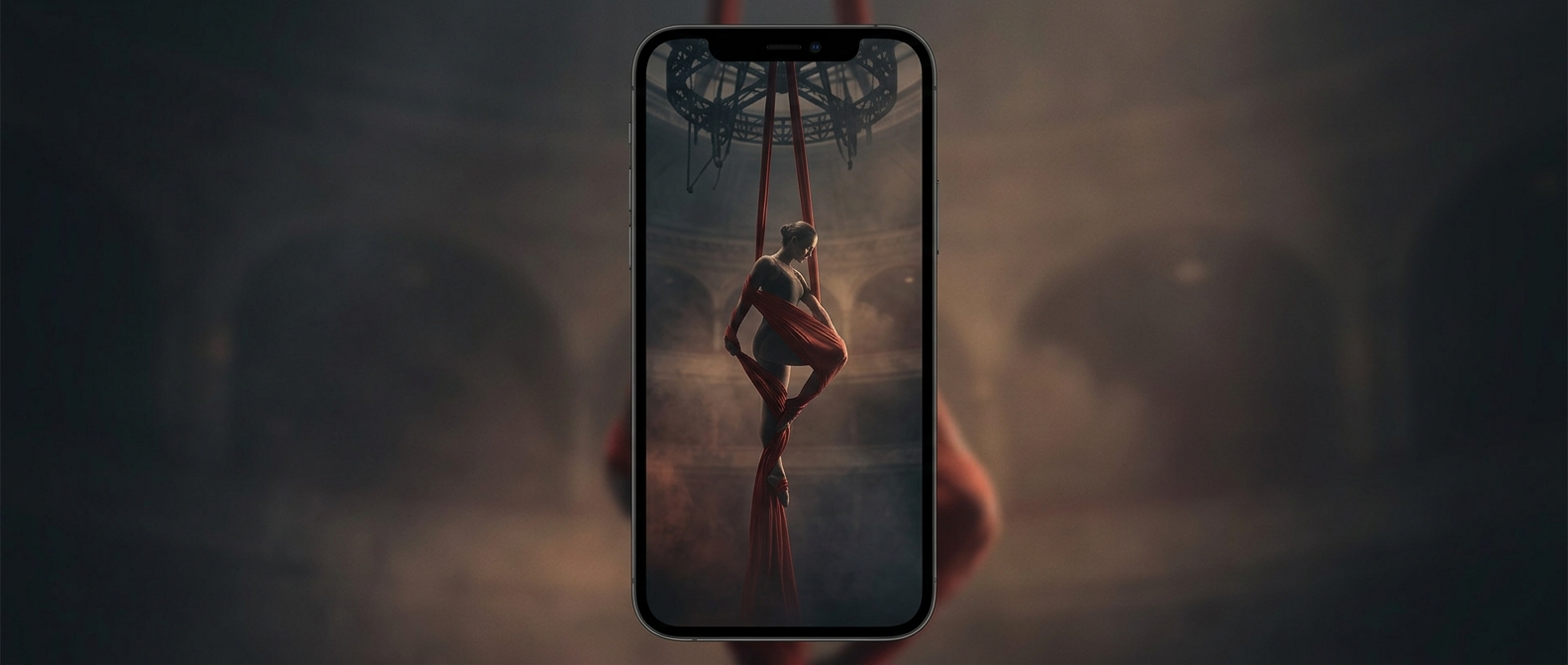
Why a Few Turns of Silk Can Hold a Performer
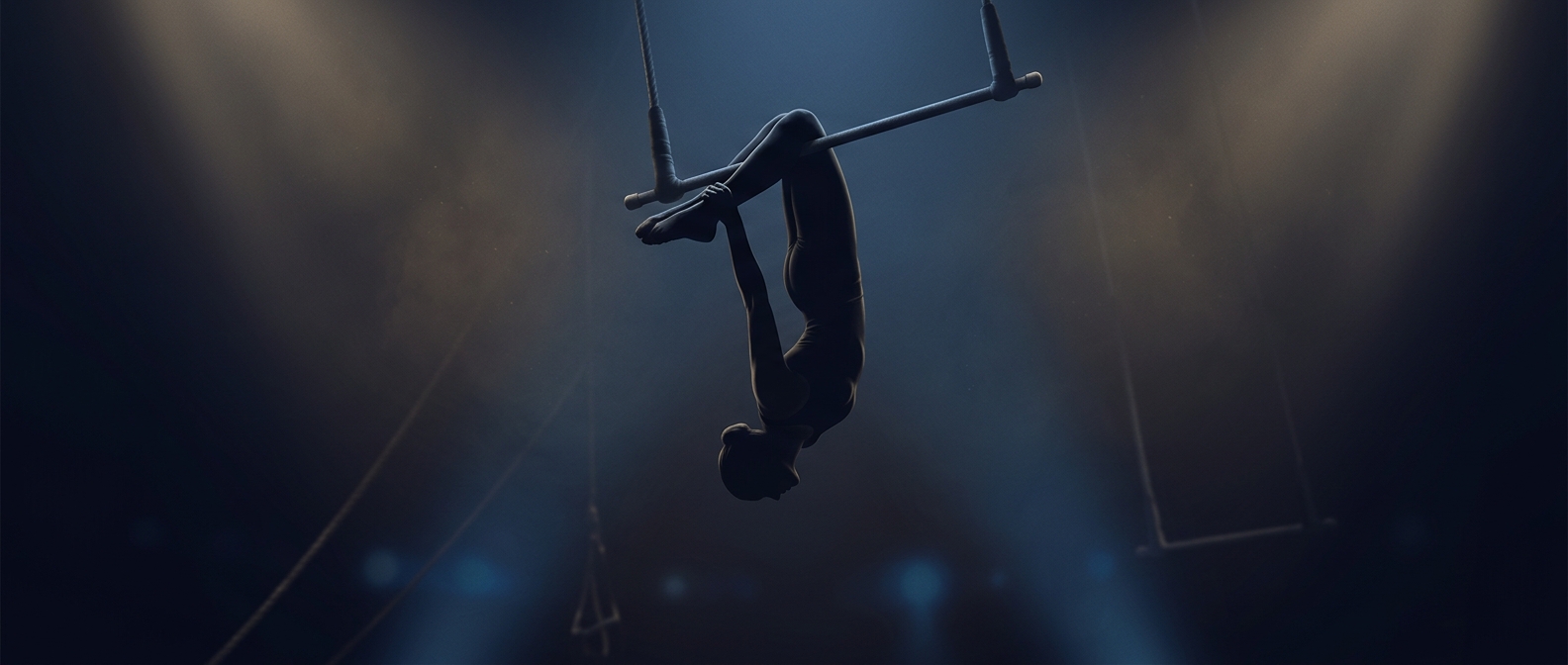
Aerial silks are long lengths of strong fabric suspended from a secure overhead point. When a performer wraps the fabric around the waist or ankles, the cloth presses against itself and the body. That contact creates friction, which resists the silk sliding under the performer’s weight.
The effect builds with each turn. A single strip pulled straight can slip easily; bent around a body part, it changes direction and presses more firmly against the surface. Additional wraps increase contact and help the fabric grip, much like a rope held around a post. The performer’s weight tightens the loaded section, helping the wrap stay in place.
The Wrap Is Part of the Control
The performer doesn’t simply rely on friction and let go. Where the silk crosses, how tightly it is wrapped, and how the body is positioned all affect whether the fabric holds or moves. A secure wrap can support a pause or arrest a descent, while a deliberate change in position can ease the pressure and let the silk slide again.
That makes a wrap both a support and a control mechanism: it can interrupt a fall, but it also has to be released in a controlled way. The visible moment of stopping depends on careful technique, strong fabric, and properly secured rigging overhead—not on the cloth alone.