How the Sideshow Turned Difference Into a Spectacle
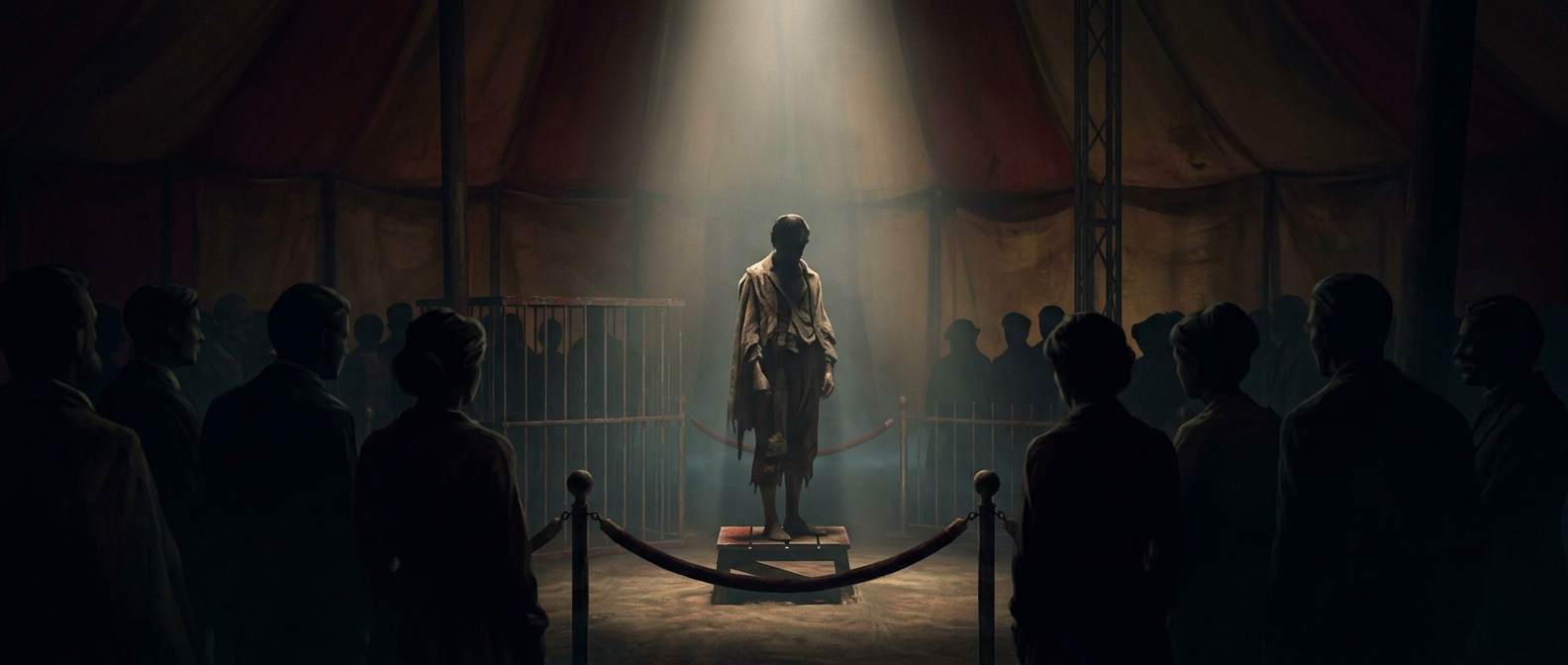
In many circuses, the sideshow was a separate attraction alongside the main ring. Its performers might be advertised as “human oddities”—a label that treated physical differences as curiosities for an audience to inspect. Posters and dramatic introductions encouraged visitors to pay for a closer look, making a person’s appearance part of the show’s selling point.
That history was not the same for every performer. Some people found paid work, public recognition, or a degree of independence in a world that offered them few other opportunities. Others faced coercive contracts, degrading treatment, or little control over how they were presented. The attraction could provide a livelihood while also turning a person into a spectacle.
Why the Main Attraction Changed
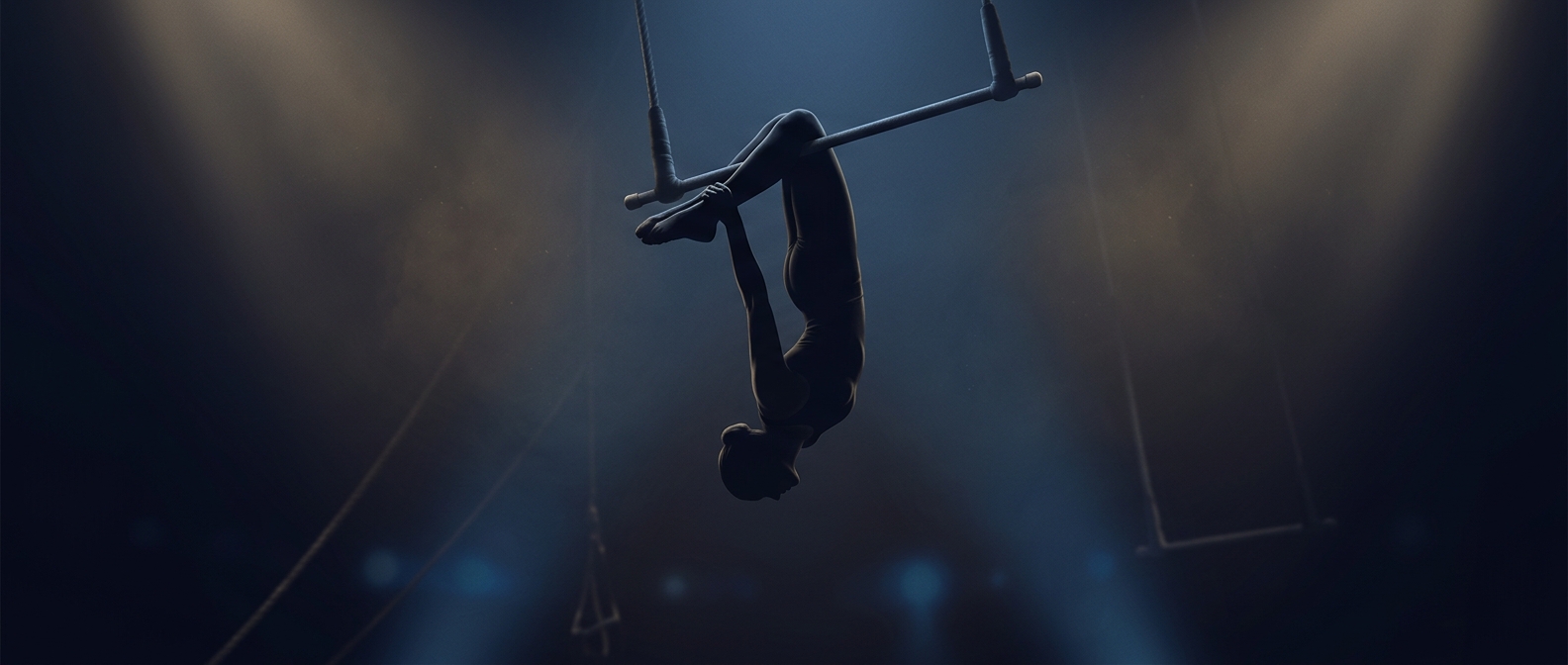
Over time, public ideas about disability and human dignity changed, and exhibiting people primarily for their bodies became less acceptable. Circuses also changed what they asked audiences to admire. Instead of inviting spectators to stare at a physical difference, many contemporary shows foreground feats such as acrobatics, where the focus is on training, timing, strength, and risk.
That shift changes the audience’s role: the central question is no longer “What does this person look like?” but “How did they do that?” The contrast between the sideshow and the modern ring shows how entertainment can reflect—and help reshape—what a society considers fair to put on display.