A closer look
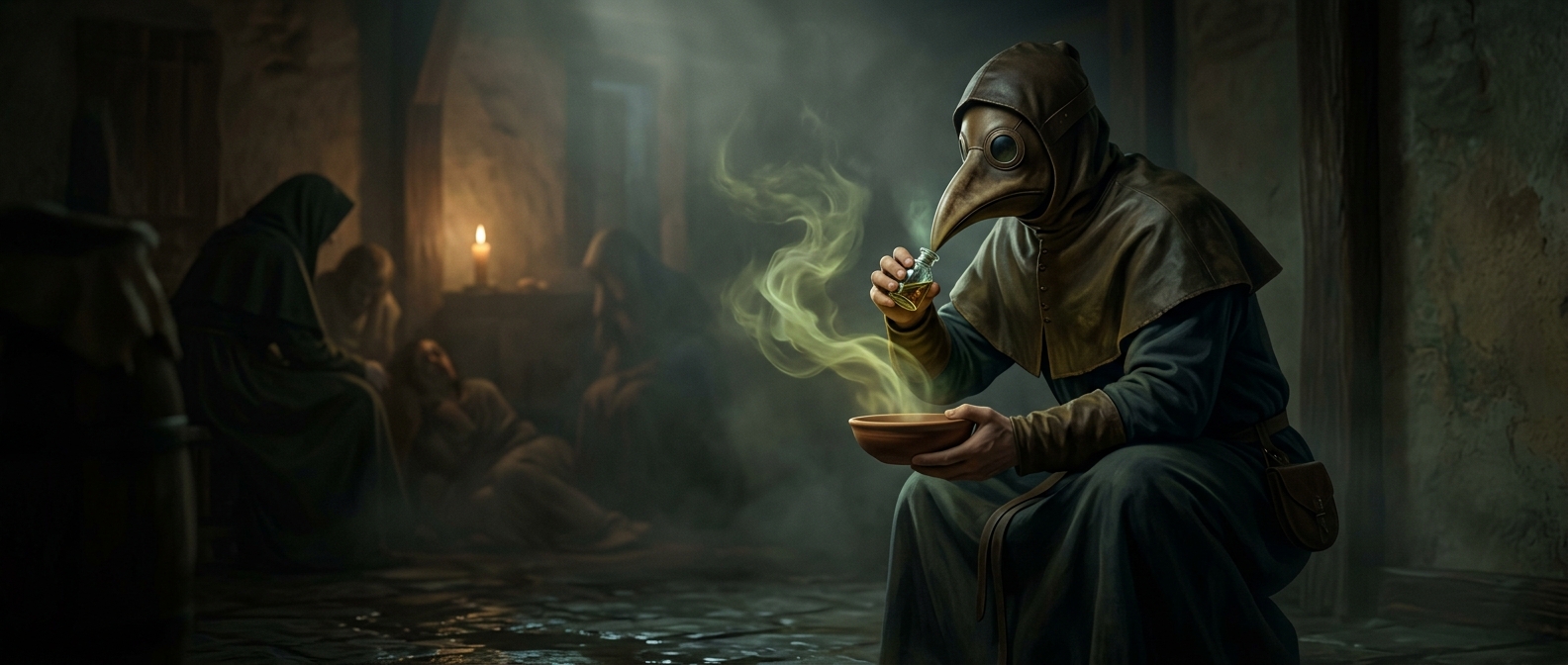
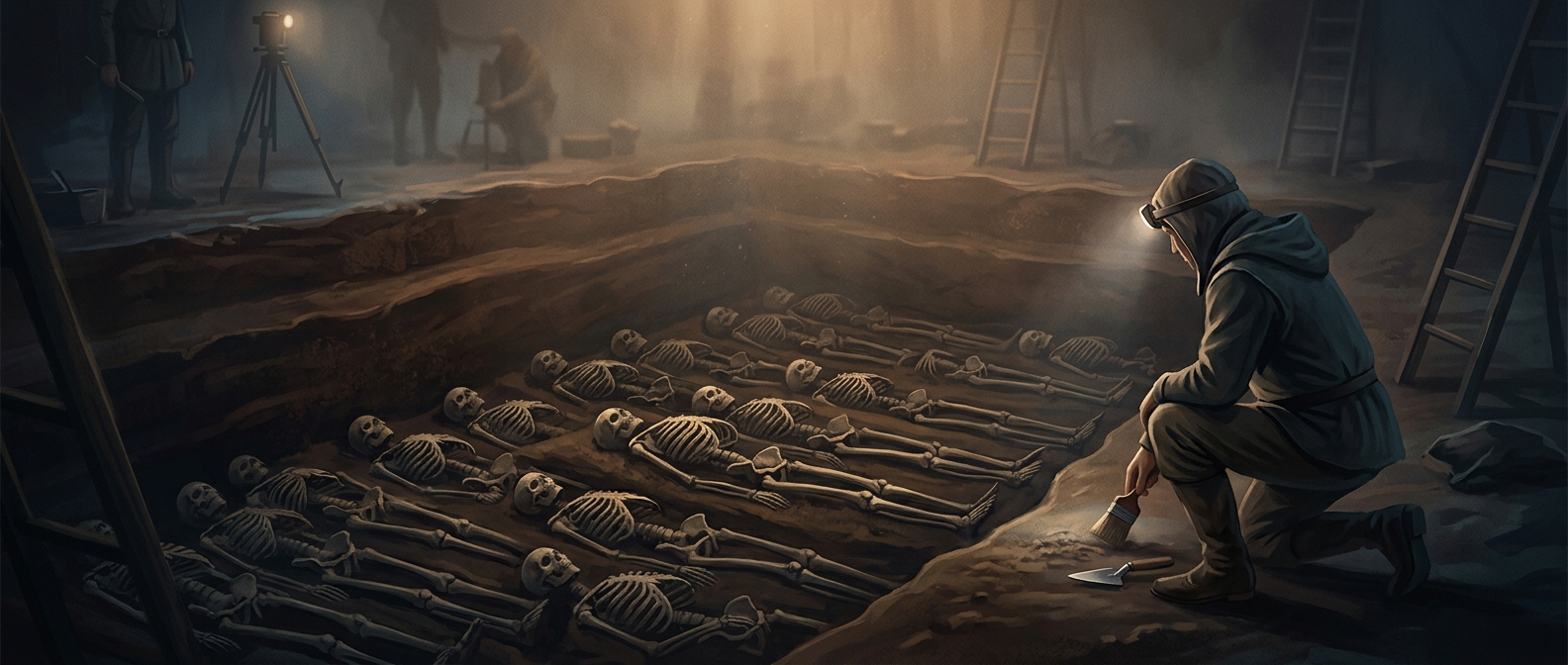
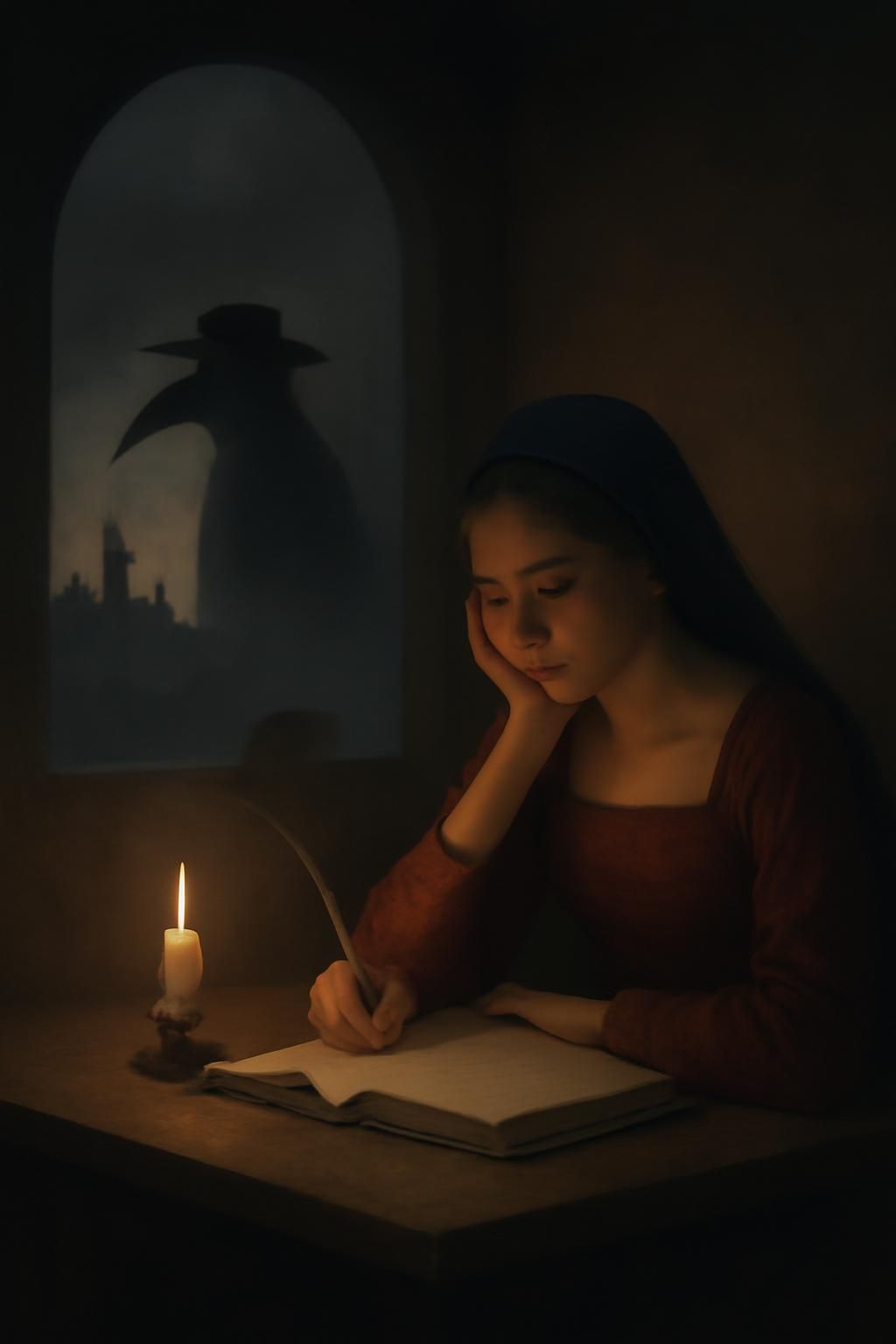
First pandemic 'lockdown diaries' were written in 1348, and teenagers were already complaining about boredom. When the Black Death hit Florence, the writer Boccaccio described young nobles fleeing the city to hide in country houses, killing time with games, stories and flirting while tens of thousands died a few miles away. City authorities tried early versions of quarantine rules: closing bathhouses, banning crowds, isolating ships for forty days before docking. People argued over masks then too, except they were soaked in vinegar and stuffed with herbs instead of being surgical. Priests blamed sin, merchants blamed foreigners, and ordinary families quietly invented social distancing by refusing handshakes and sharing cups. The strangest echo of today: many people honestly believed the world was ending, yet still worried about rent, dowries and business debts. When we talk about 'unprecedented' times, history is in the background whispering, actually, this pattern has played before: fear, denial, magical cures, blame, and a deep hunger to escape into stories until the plague passes.