A Dub That Had to Fit More Than the Words
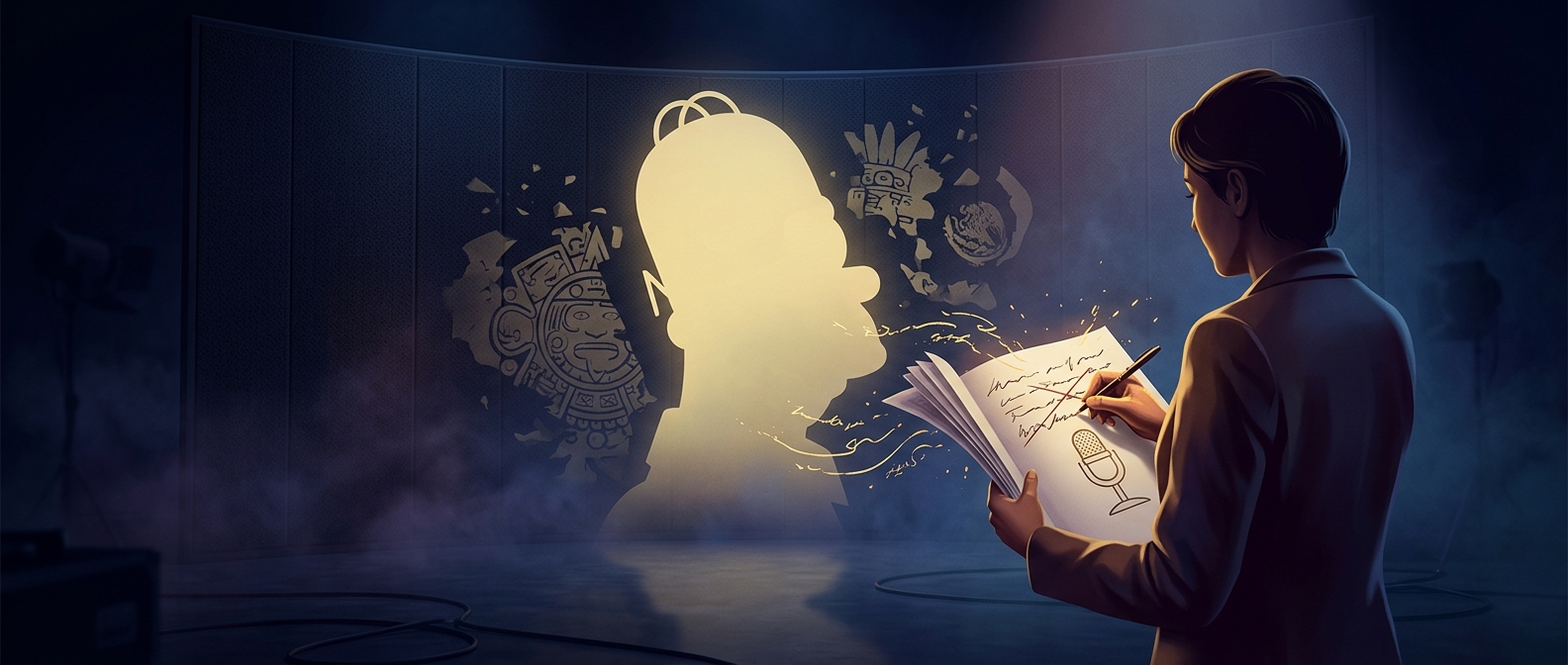
A dubbed cartoon has two clocks running at once: the dialogue must match the scene’s timing, and the joke must land for viewers who may not recognize the original reference. A literal translation can preserve the words while losing the laugh. In the Latin American Spanish version of The Simpsons, voice actor Humberto Vélez treated Homer’s lines as material to adapt, not simply copy.
That meant finding expressions with a similar comic force in Spanish. Local slang and punchy catchphrases could make Homer sound spontaneous and familiar, while political barbs gave some jokes a nearby target. The point was not to make every line a word-for-word equivalent; it was to keep the character’s irreverent, impulsive energy intact.
Why the Voice Became Its Own Homer
Voice acting shapes more than pronunciation. A performer’s rhythm, emphasis, and comic timing help define how a character feels. Vélez’s delivery, combined with the localized writing, gave this Homer a sound that viewers could recognize as distinct from the English original—not a failed imitation, but a performance built to work in another language.
The dub also had to serve a large Spanish-speaking audience with varied local expressions. No single choice could sound equally native everywhere. The result leaned on a shared version of Spanish while using jokes and phrasing that felt closer to home than many American references would have.
That tradeoff is why viewers remember the voice as more than a translation: Homer’s familiar flaws remained, but the jokes could arrive in the slang—and the comic register—of the audience hearing them.