A foreign voice could not stay foreign
When Italian rules barred subtitles, importing a film meant changing more than the words on screen. Its dialogue had to be recorded again in Italian and matched to the actors’ movements. A viewer therefore heard Italian where the original audience had heard another language, while the image remained the same.
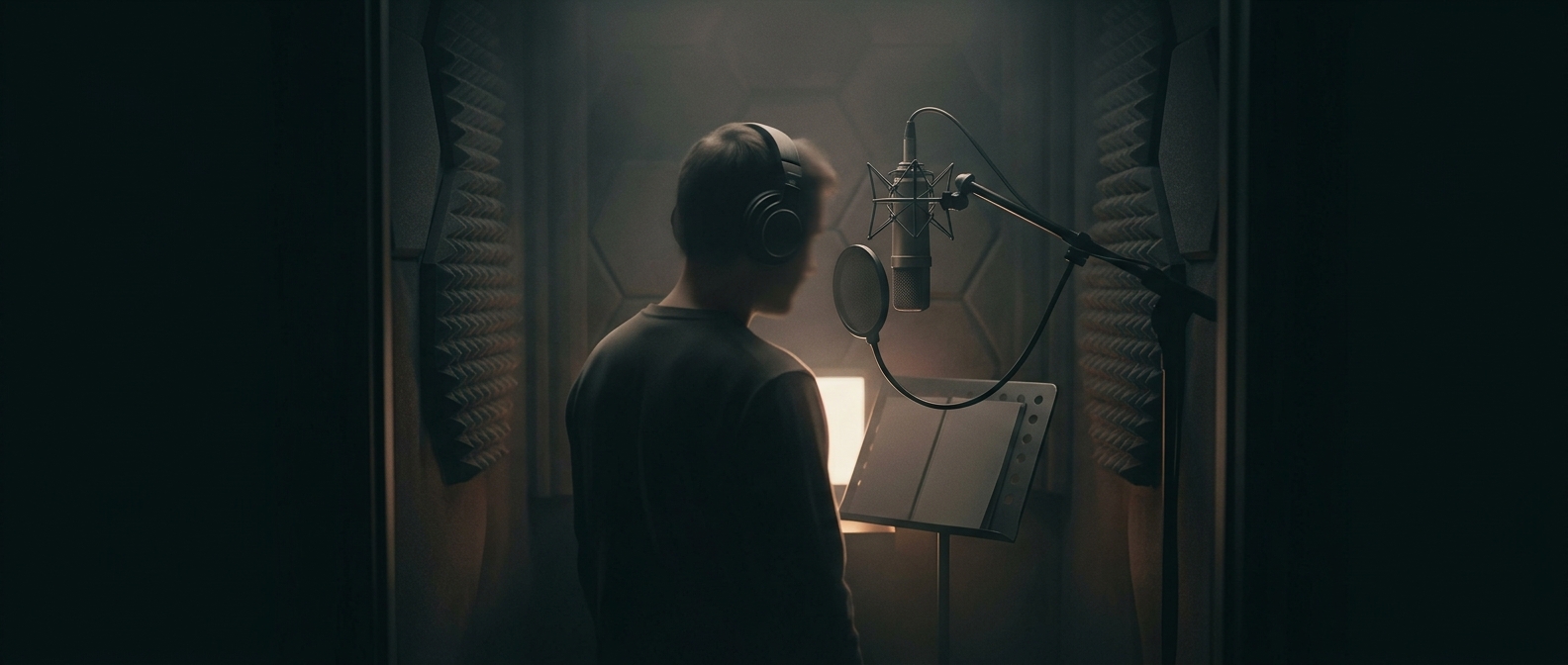
That requirement turned localization into a production process. A translated script had to fit the timing and shape of spoken lines; performers then recorded dialogue to line up with the visible action. The result was not simply a literal translation. The Italian wording had to sound natural when spoken and plausibly fit the characters’ mouths, especially in close-ups.
A policy built an industry
Because foreign releases needed this treatment, distributors had reason to rely on specialized studios and voice performers. Over time, the work called for more than fluent translation: it required adapting dialogue, directing performances, recording clean sound, and synchronizing speech with picture. The regulation thus helped create a durable domestic craft around a routine step in bringing films to Italian audiences.
Dubbing also shaped how those audiences encountered foreign cinema. Subtitles let viewers hear the original performances while reading a translation; dubbing replaced those voices with Italian ones. That made the language barrier less visible, but it also meant the voice and delivery viewers associated with an actor could be supplied by someone else. The policy’s legacy was both practical and artistic: a foreign film arrived speaking Italian, through an industry built to make that transformation feel seamless.