The Picture Becomes the Actor’s Reference
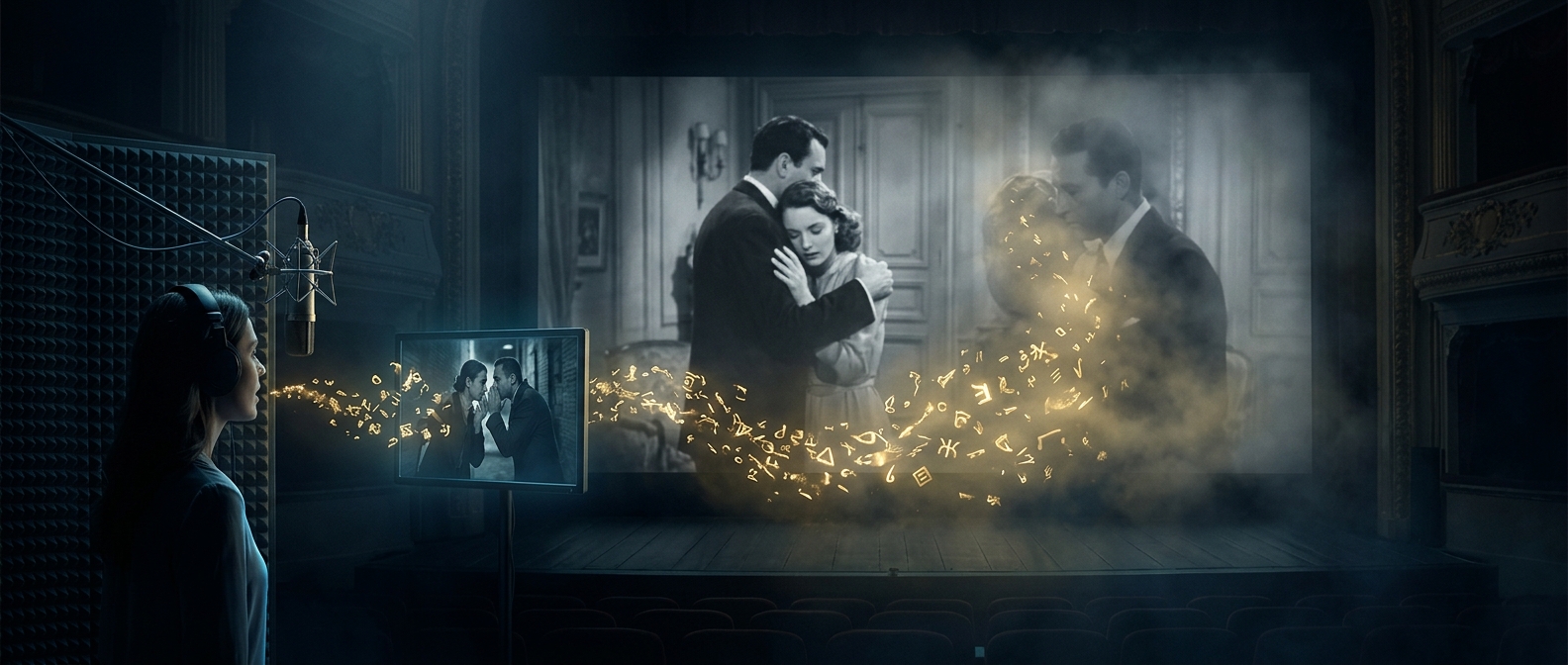
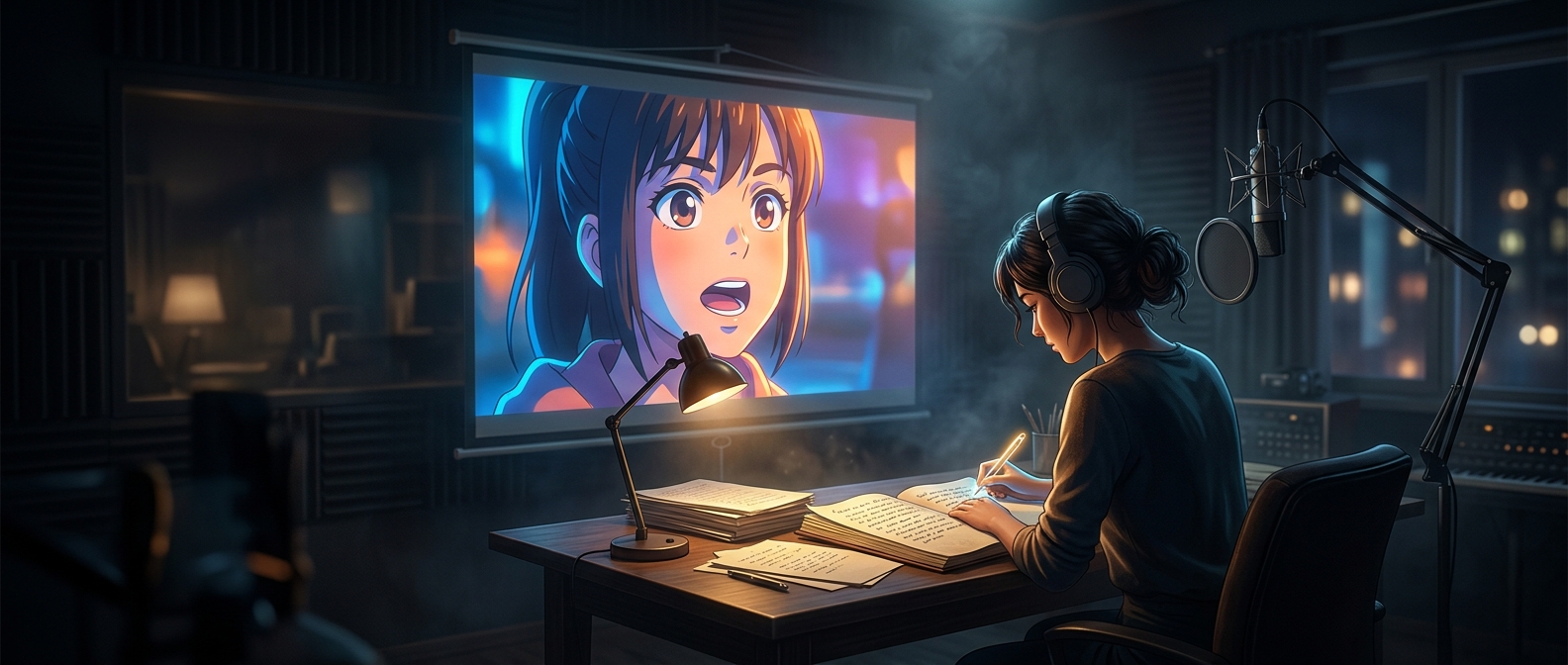
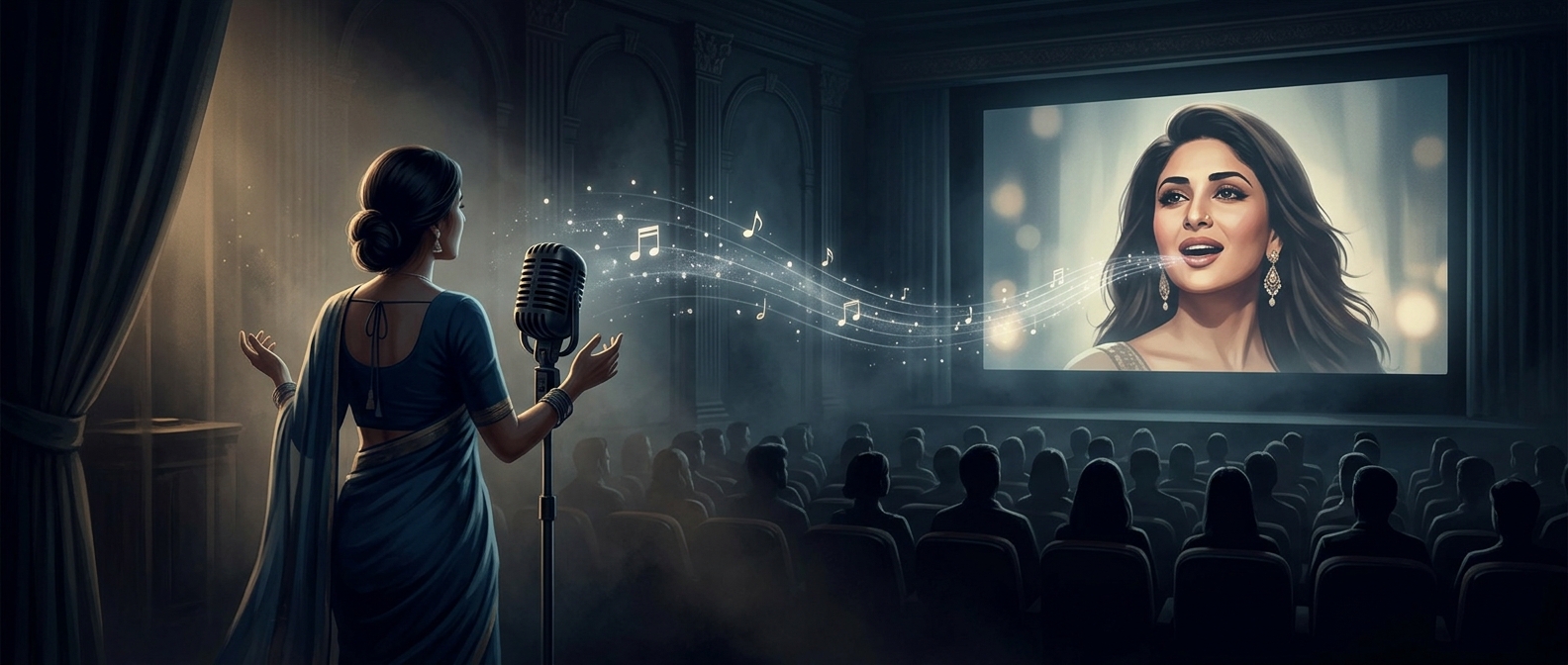
Once a scene has been filmed, the actor can no longer change a line to fit the moment. In the booth, a loop of the shot plays while the actor watches the character’s mouth and body. The goal is not simply to repeat the words: the new take must begin and end at the right moments, with the right pauses, breaths, and emphasis, so it feels attached to the image.
This process is commonly called automated dialogue replacement, or ADR. Despite the name, it is usually a deliberate, hands-on performance session. An actor may record several versions of a short line, adjusting timing or delivery each time. A line that sounds natural in conversation can feel wrong when it has to land on a visible mouth movement—or fit around a cut.
Rebuilding the Moment in Sound
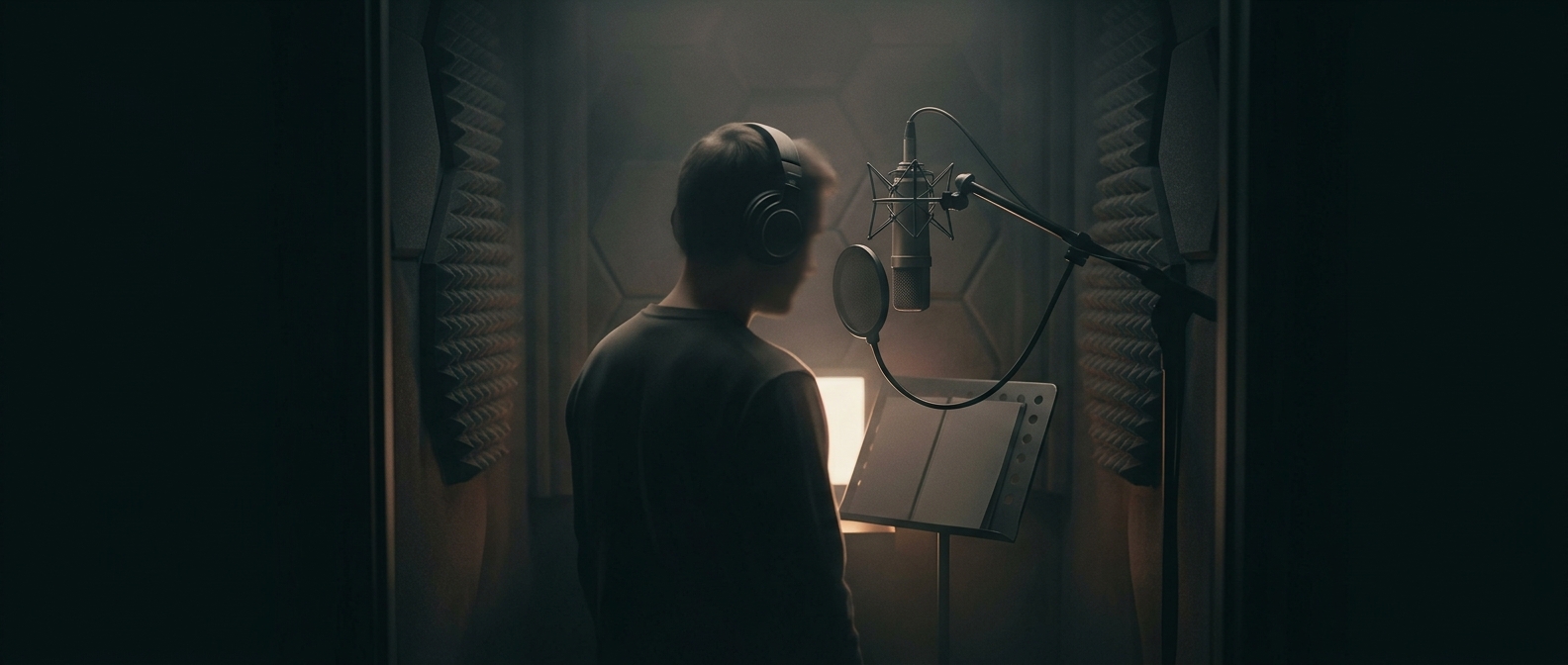
The booth removes distractions and gives the recording team control over the voice, but it also strips away the original setting. The actor has to recreate the scene’s energy from memory, the footage, and direction from the recording team. A quiet line spoken under pressure, for example, may need tension in the breath and voice even if the actor is sitting still in a soundproof room.
Afterward, editors choose and align the best takes, then blend them with the film’s other sounds. The replacement may sit alongside retained location audio, music, and effects; it is not necessarily a complete swap of everything heard on set. The trick is to make a technically cleaner recording feel as if it belongs to the same physical moment as the picture.