Why a Dubbed Line Can Outlast the Actor’s Mouth
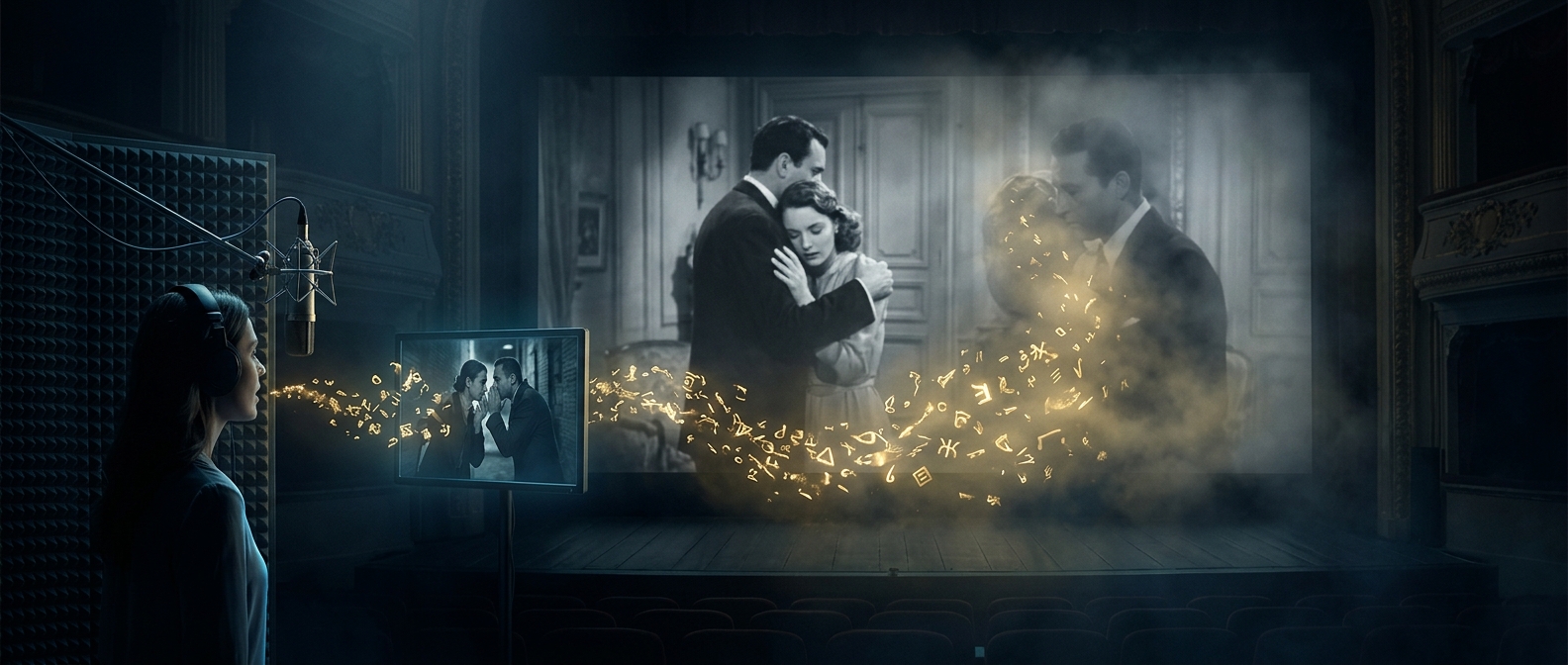
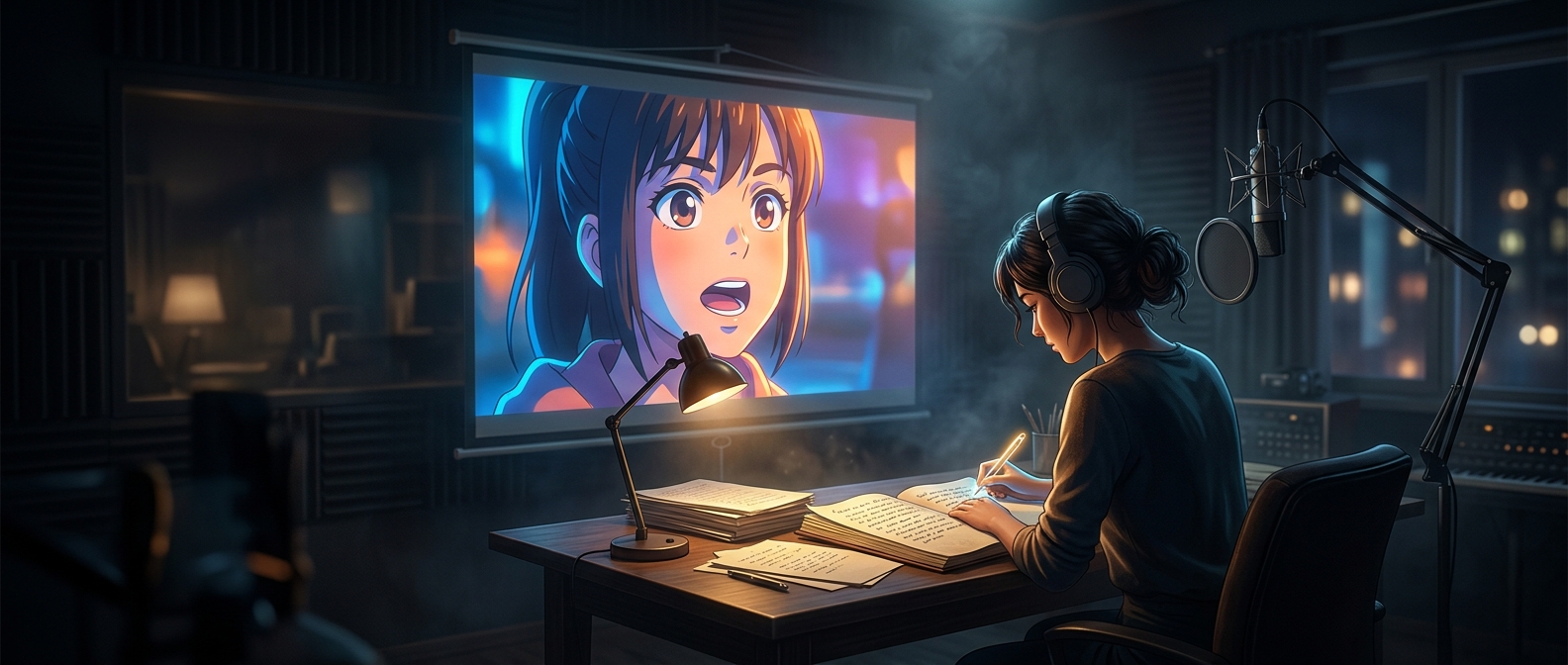
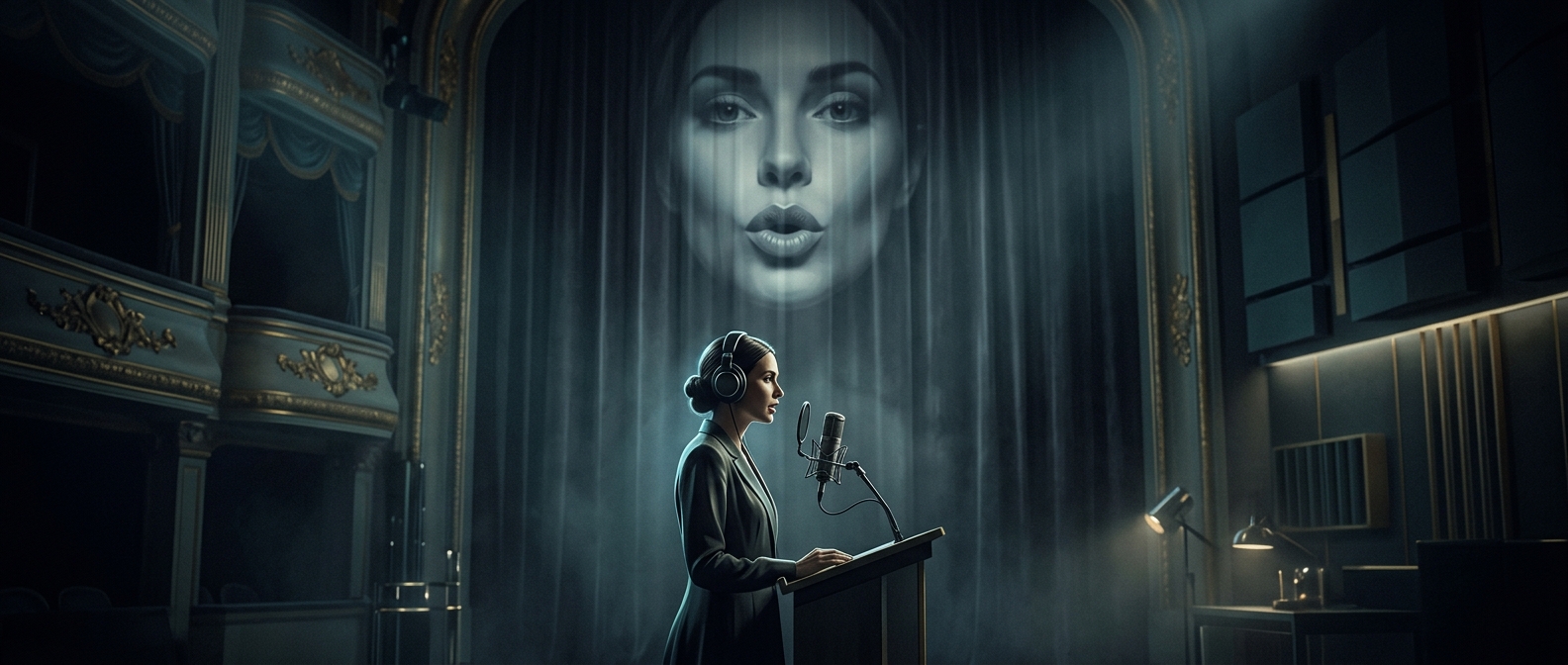
Dubbing has to make two performances occupy the same stretch of screen time. The original actor’s pauses, gestures, and mouth movements are already fixed; the translated dialogue must fit around them. If the new line takes longer to say, the voice can continue after the actor has stopped moving their lips.
Translation Is a Timing Problem, Too
A literal translation may be too long, too short, or awkward to speak at the actor’s pace. Dubbing writers reshape lines to fit the available moment, while voice performers adjust their delivery to match the scene. They may also try to align important sounds with visible mouth movements—especially obvious openings and closures—though the languages may use different words and sentence structures.
That leaves competing demands: preserve the meaning, make the line sound natural, and fit the on-screen performance. A brief pause or faster delivery can help, but there is only so much room to adjust before the speech sounds rushed or changes what the character is saying.
When the Timing Slips
The mismatch is easiest to notice when the scene gives viewers a clear visual endpoint: the actor closes their mouth, but the translated sentence still has words to go. In less conspicuous moments, a line may simply feel slightly early or late. Either way, the viewer is comparing two performances at once—the face on screen and the voice in another language—and a small timing gap can make the dubbing feel less seamless.