How a Voice Could Make a Trailer Feel Like a Story
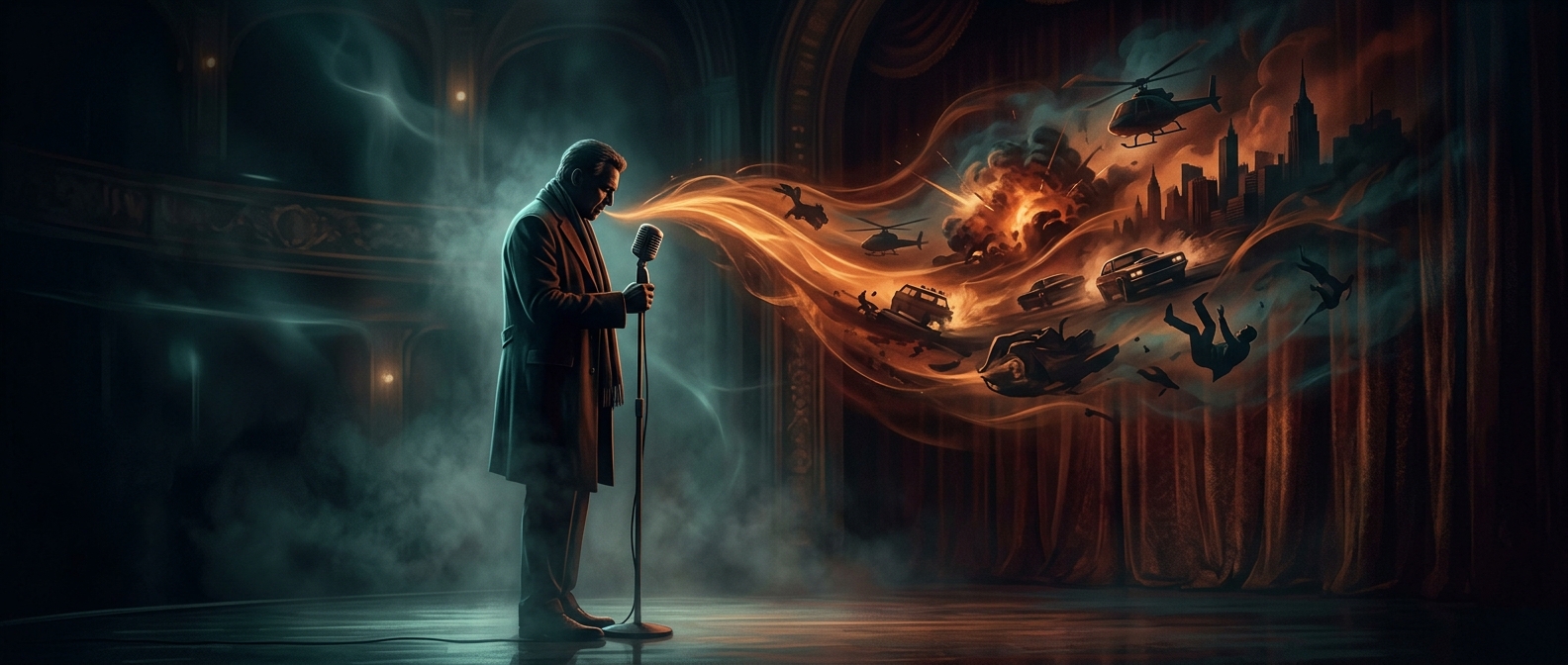
A movie trailer has to do two jobs at once: show enough of a film to make its appeal clear, and leave enough unseen to preserve curiosity. Don LaFontaine’s low, textured delivery helped solve that problem. His narration could connect quick, disconnected images into a single promise: here is the world, here is the trouble, and here is why it matters.
The familiar opening “In a world...” is effective because it makes a small trailer feel like the beginning of a much larger tale. The phrase sets a scene in just a few words, while the voice gives those words weight. LaFontaine became closely associated with that effect, though the phrase was one part of a broader craft, not a magic formula.
The Voice as Part of the Edit
Trailer narration is typically recorded to fit a carefully assembled sequence of shots, music, and sound effects. A narrator must leave room for the images, land key lines at the right moment, and keep the story legible even when the film itself is being represented in fragments. A distinctive voice can act as a steady guide through those cuts.
That is why LaFontaine’s influence reached beyond any one line. His sound became a recognizable shorthand for the dramatic trailer style: the audience could hear a few words and know what kind of promise the preview was making. His prolific work also made the voice familiar across many films, even when viewers did not know the name behind it.
The lasting irony is that trailer narration is meant to direct attention toward a movie, not toward the person speaking. LaFontaine’s voice became so recognizable that it made an otherwise unseen part of filmmaking impossible to miss.