How a Braam Makes a Moment Feel Enormous
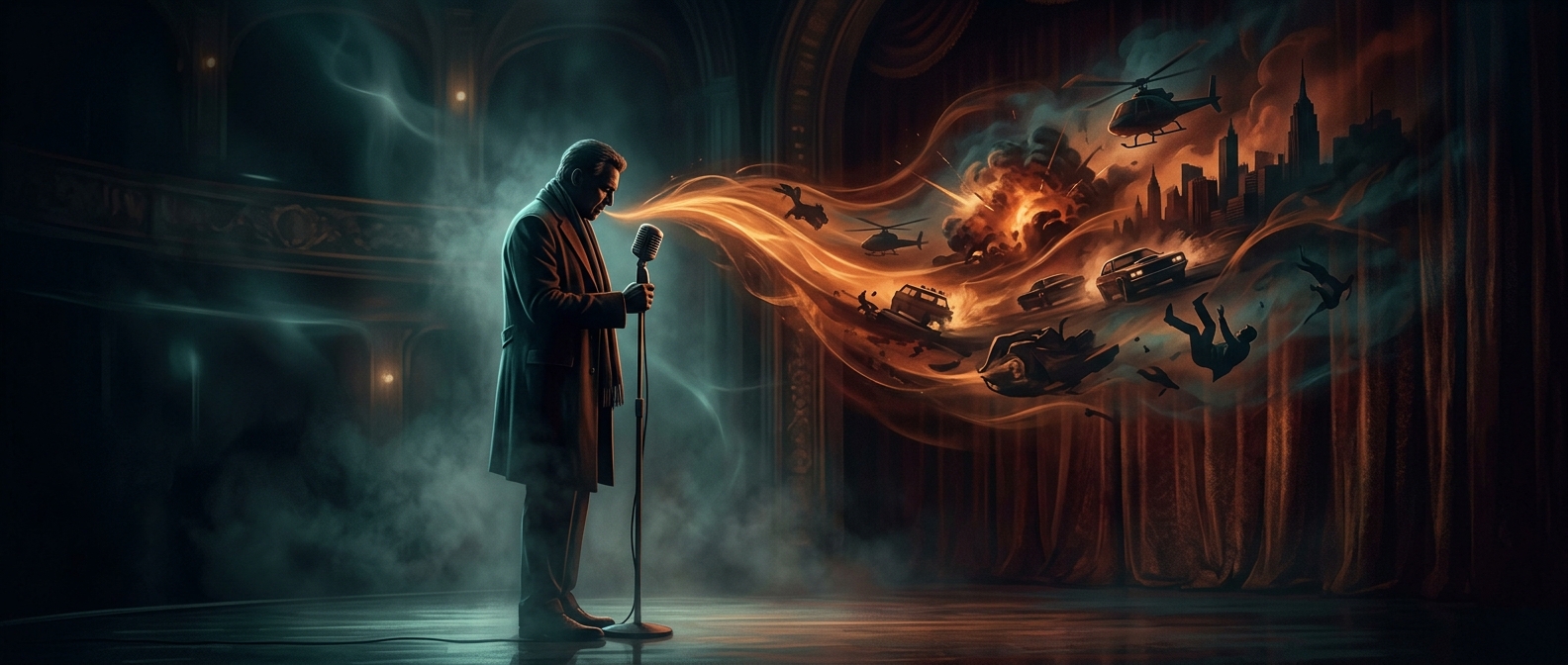
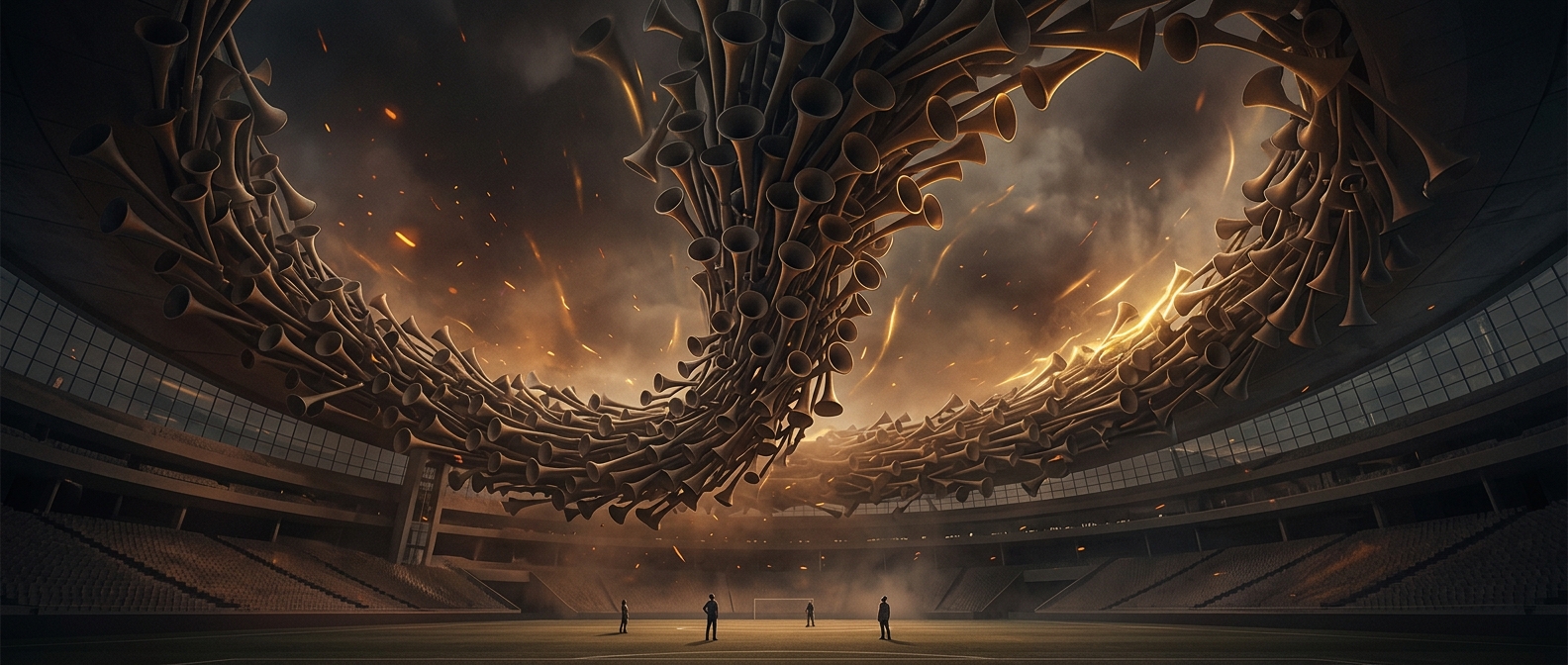
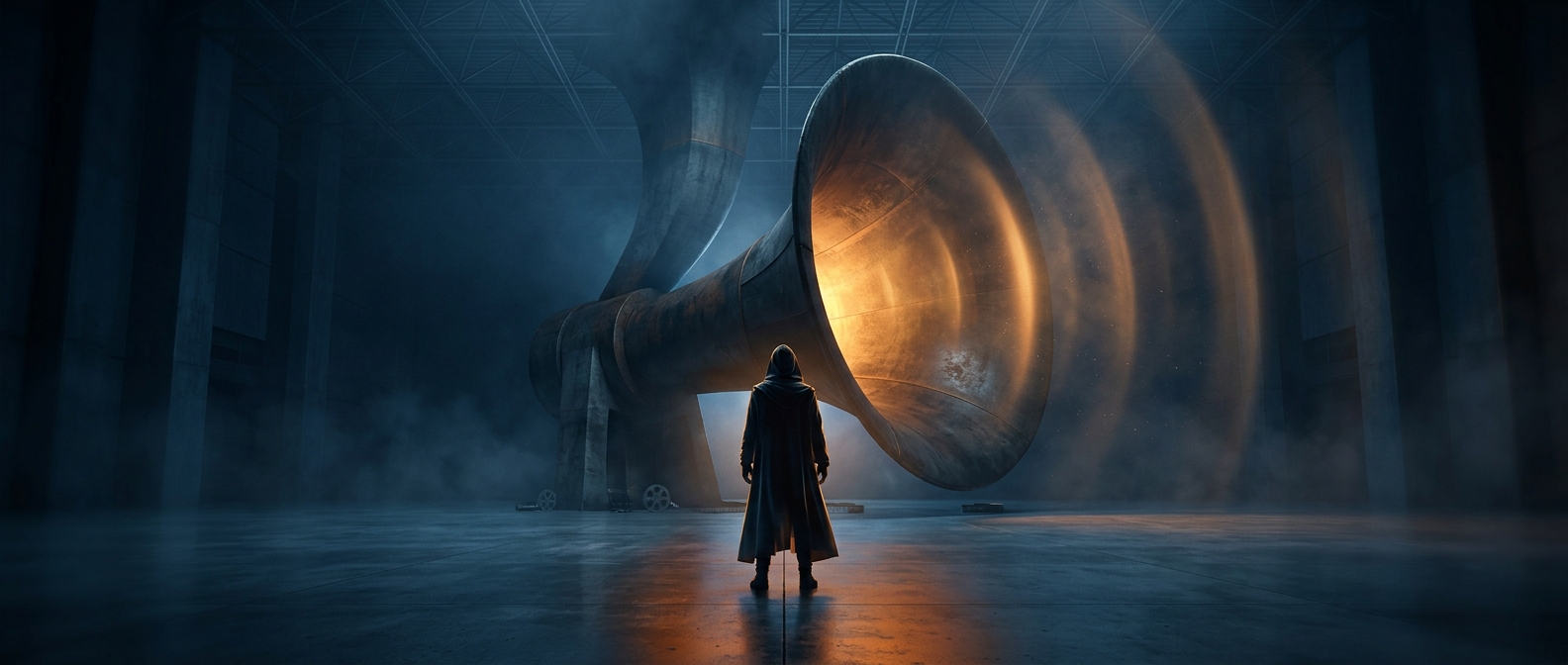
A braam is designed less like a realistic instrument than like a sudden event. Its low, brassy blast often combines several sounds: a horn-like tone for the recognizable musical color, rough noise or distortion for grit, and a deep bass layer for weight. Producers can shape those layers independently, making the hit feel both metallic and physically heavy.
The sound’s movement matters as much as its volume. A rising pitch or swelling layer can suggest something approaching; a sharp attack makes the arrival feel abrupt. The blast may then decay into a low rumble, leaving the ear with a sense of scale after the initial shock. These are familiar cues from music and sound effects, compressed into a single hit.
Why Trailers Save It for the Turn
A braam is most effective when the mix gives it room. If it plays constantly, it becomes part of the background. Instead, editors place it at a change in the trailer: a reveal, a cut to a threat, or the moment a quiet build gives way to action. The contrast makes the hit seem larger than it would on its own.
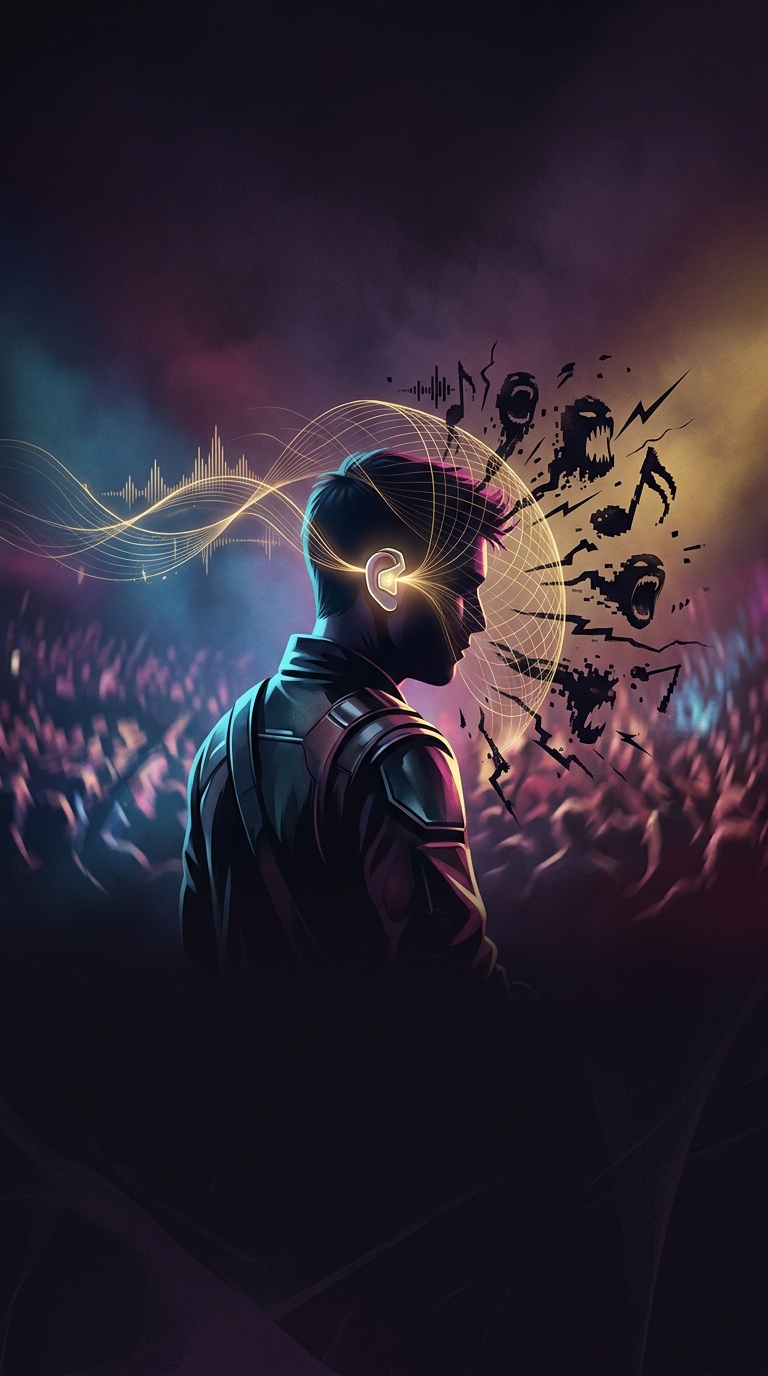
The surrounding soundtrack is carefully balanced, too. Dialogue and other sounds may be reduced around the impact so its bass and sharp onset remain legible on different playback systems. In a theater, the low frequencies can be felt as well as heard; on smaller speakers, the brighter brass-like edge helps the same cue register.
That combination is the braam’s real trick: it turns a brief edit point into a bodily signal that something important—and probably dangerous—is happening now.