The story stayed; the tone changed
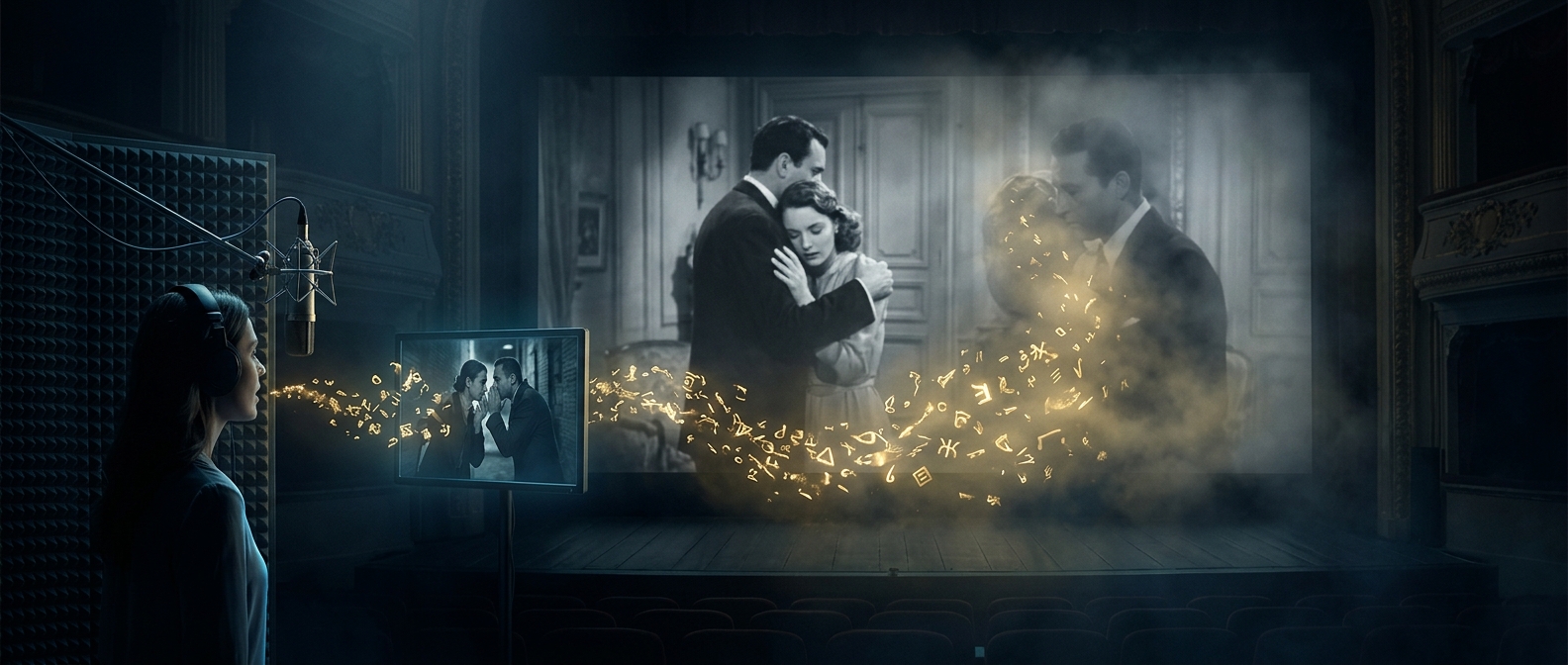
ADV Films’ English dub of Ghost Stories became famous for sounding less like a faithful translation than a comedy built on top of an existing anime. The production story is often told as if the actors simply threw out the script and improvised. The reality was more structured: the English version kept the episodes’ basic plots and ghost-related story beats, while its writers and performers substantially recast the dialogue.
That distinction mattered. The characters still had to investigate hauntings and reach the episode’s supernatural resolution. Within that framework, the English adaptation could give them radically different personalities, arguments, jokes, and references. The result could veer from the scene’s original emotional tone without losing the events that made the episode work.
Why the jokes landed so hard
A straight translation would have carried over dialogue written for a different audience and context. Instead, the dub leaned into fast, contemporary American comedy: characters broke the fourth wall, mocked one another, and made jokes that could be deliberately crude or offensive. The contrast between a serious ghost story and irreverent banter became part of the entertainment.
This approach also gave the English performances a defining feature: the characters sounded as if they were reacting to the absurdity of their situation, rather than solemnly repeating lines from a children’s supernatural adventure. But creative freedom did not mean every line was spontaneous. Rewritten scripts and performers’ delivery shaped the comic effect together.
A localization gamble with a long afterlife
The dub’s reputation rests on that unusual balance: recognizable episode structures underneath dialogue willing to depart sharply from the source’s mood. Its jokes remain divisive, especially where shock value or dated stereotypes are involved. Yet the same risk made the English version memorable enough to circulate as a cult comedy in its own right—an adaptation remembered not for smoothing over cultural differences, but for turning them into a new, deliberately unruly voice.