How a Written Joke Sounds Like a Discovery
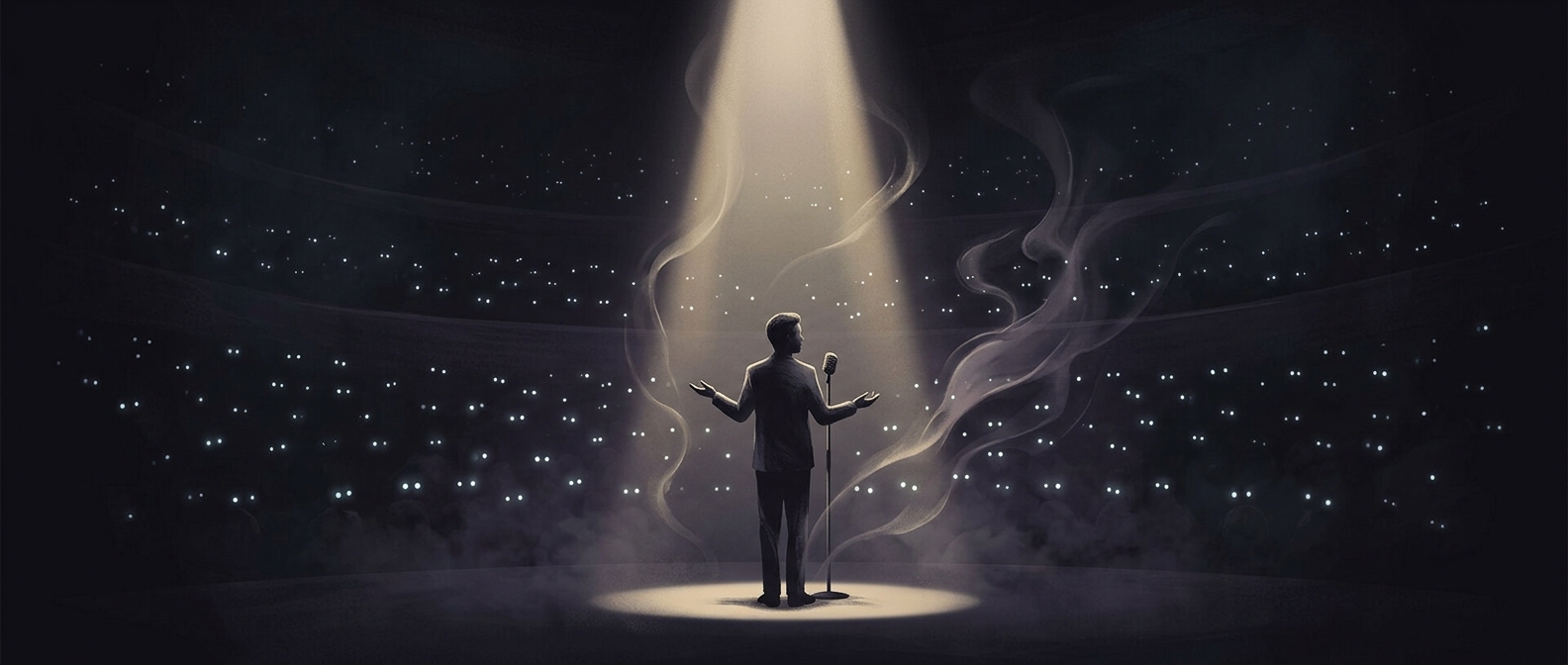
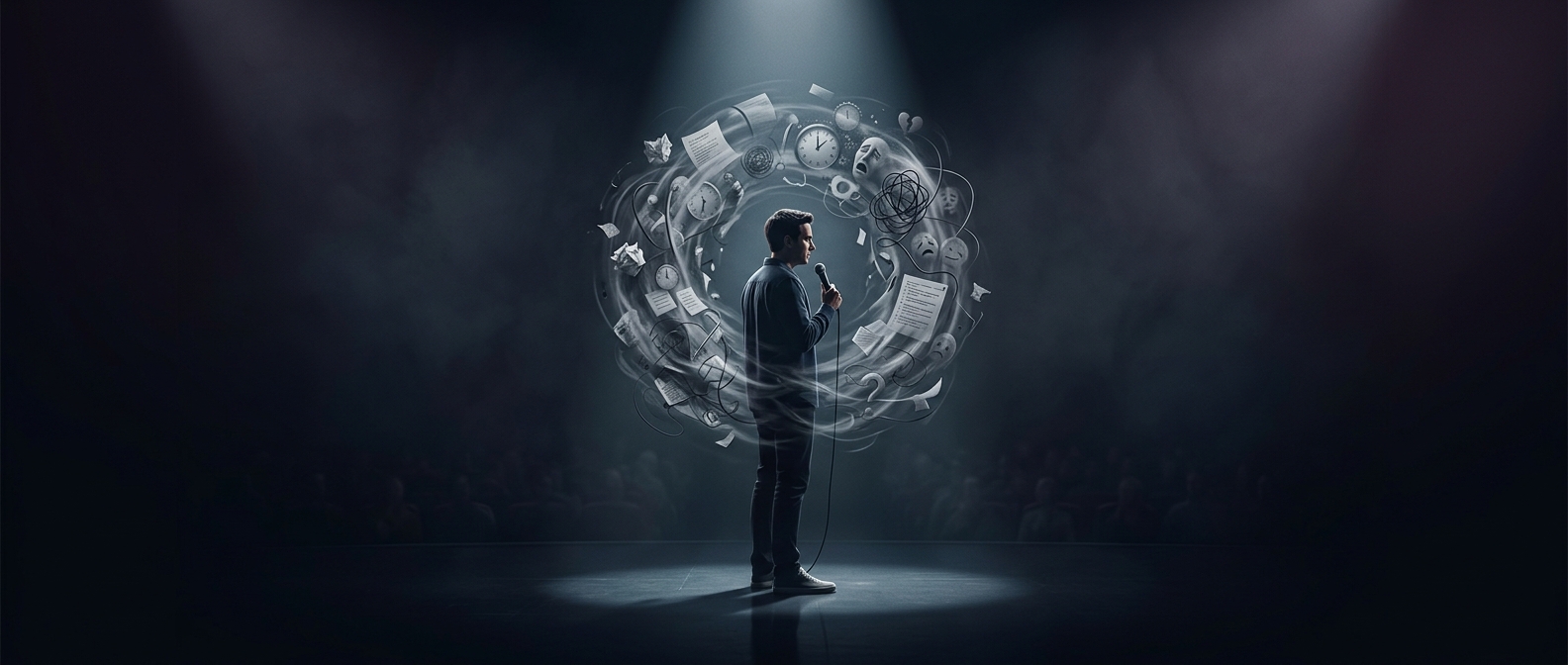
A joke can be fixed on the page while its delivery feels newly improvised. The comedian is not merely reciting a sentence: they are shaping the audience’s sense of when an idea arrives. A small pause can make a punch line seem to occur to the speaker at that very moment; a change in emphasis can turn a familiar phrase into an unexpected conclusion.
That effect depends on precision. Comics test different wordings, cut anything that slows the turn, and learn where a laugh tends to interrupt the next line. They may rehearse the timing until it feels loose rather than labored. The aim is not to sound polished in the manner of a speech, but to make the setup feel like ordinary thought and the punch line like its sudden payoff.
Rehearsal Leaves Room for the Room
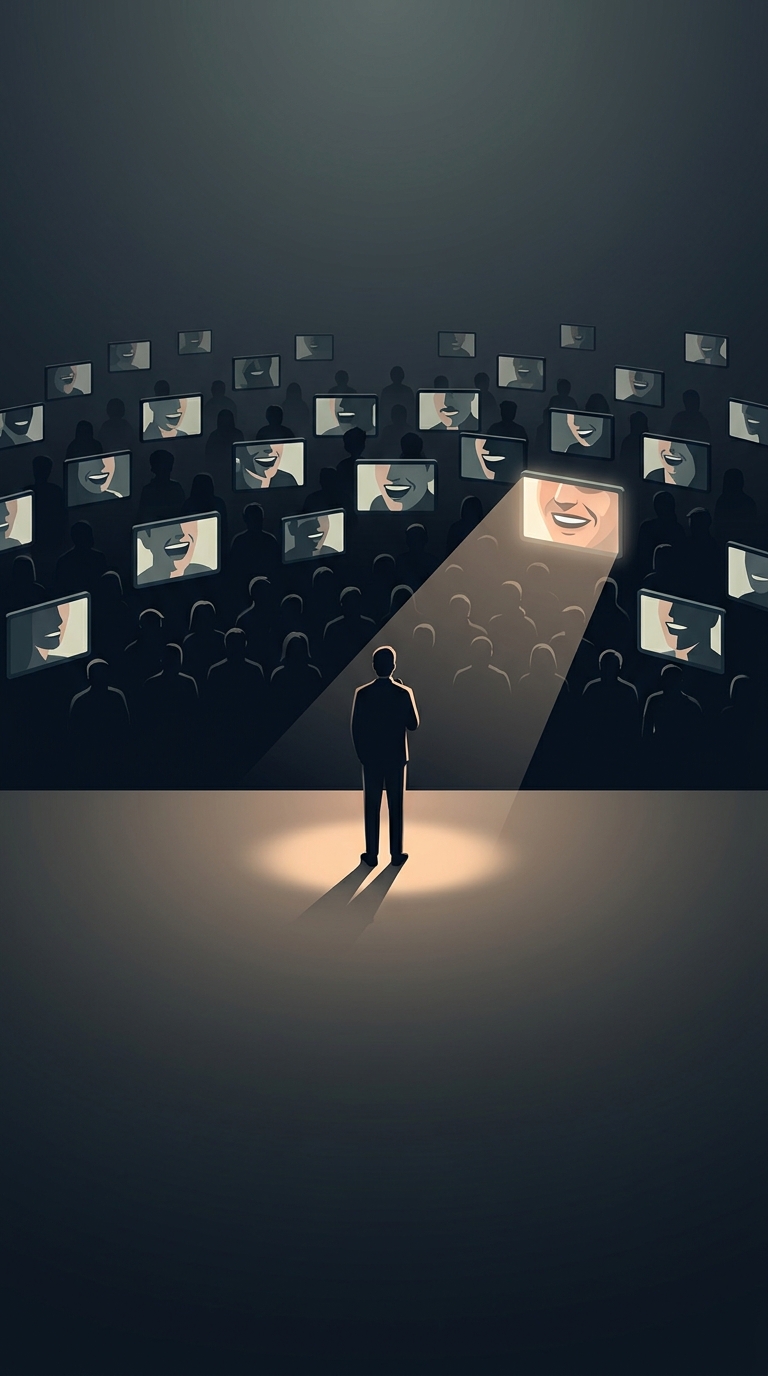
A practiced routine is not necessarily delivered identically every night. Laughter can run long or arrive early, and a performer has to wait, continue, or adjust the next beat. A live audience also reveals whether a pause reads as anticipation or simply dead air. Through repeated performances, comics can refine a bit while preserving its conversational surface.
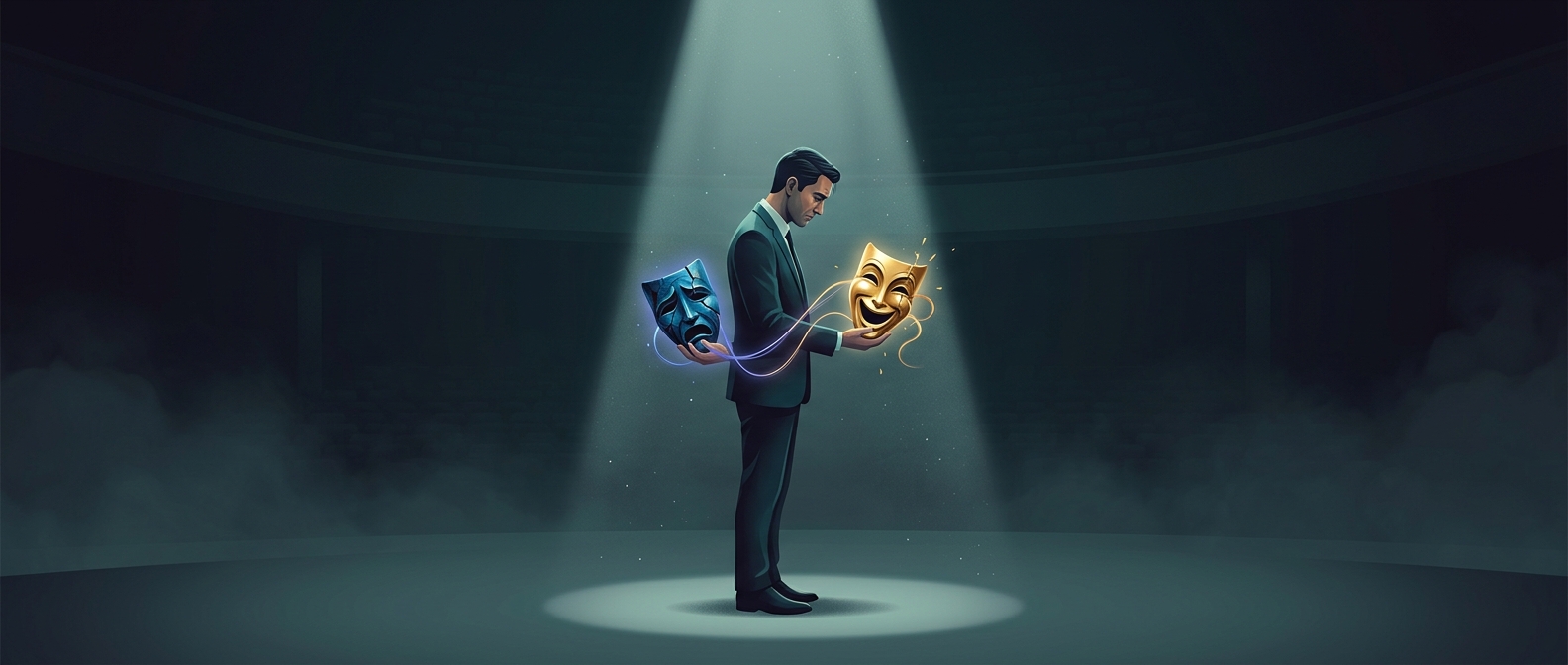
This is why apparent spontaneity is a craft choice, not proof that a joke was invented onstage. The writing supplies the turn; rehearsal helps the comedian make that turn feel like a fresh thought shared with the audience. The best-prepared line can sound most natural when the timing gives listeners a moment to recognize the idea just before it flips.