The Boundary Is Part of the Performance
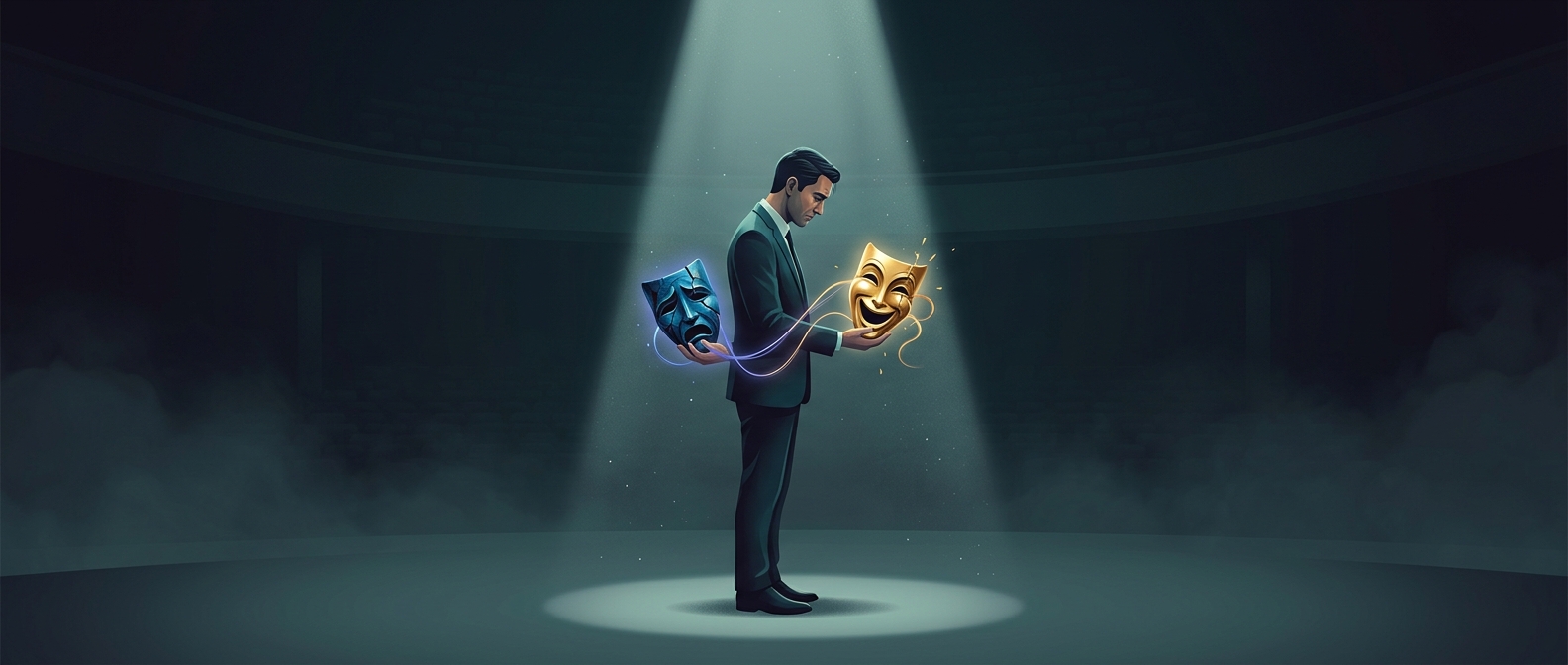
A comedy roast is presented as a contest in which comics attack a guest, but the apparent freedom is often bounded. Before the event, the target and organizers may identify subjects that should stay out of the jokes—perhaps a painful divorce or a personal insecurity. The agreement does not supply the punchlines; it sets limits on where the comedians can aim.
Why Set Limits Beforehand?
Roasts depend on a shared understanding: the insults are meant as entertainment, not as an unexpected public reckoning. Advance boundaries help preserve that understanding. A comedian can still make a joke sharp, surprising, or embarrassing, while avoiding a topic that could turn the moment from playful humiliation into a genuine injury.
The arrangement also gives performers useful information. Without it, a comic may avoid risky material altogether—or take a guess about what the guest can handle. Knowing a few subjects are off-limits lets the rest of the set feel more daring because the boundary is clearer.
The Limits Don’t Write the Jokes
A negotiated boundary is not a script or a guarantee that every joke will land. Comics still have to find material that fits the guest, the room, and the event. The target, in turn, agrees to be the focus of unusually pointed humor while retaining some control over its most sensitive territory.
That tension is central to the format: the roast feels unsparing partly because its limits are decided before anyone takes the stage.