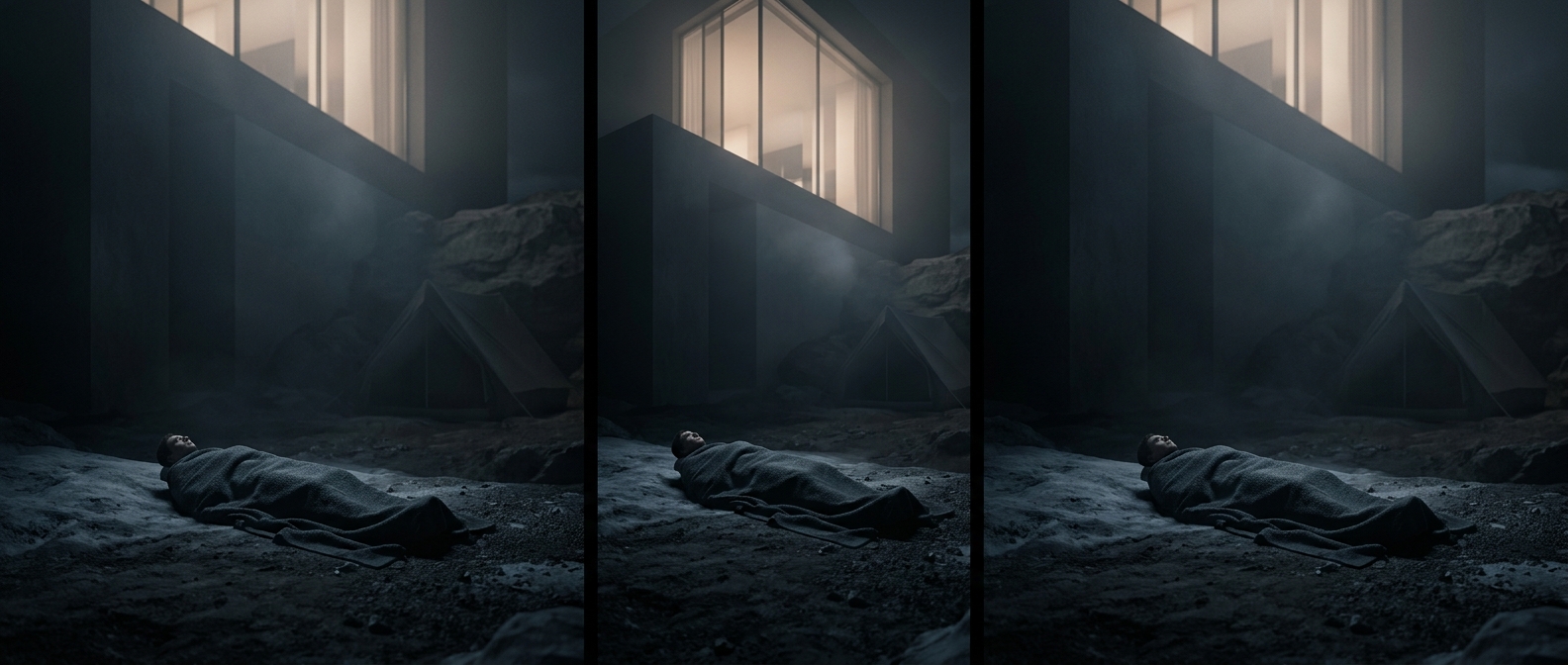
Why a Dry Campsite Can Become Uncomfortable Fast
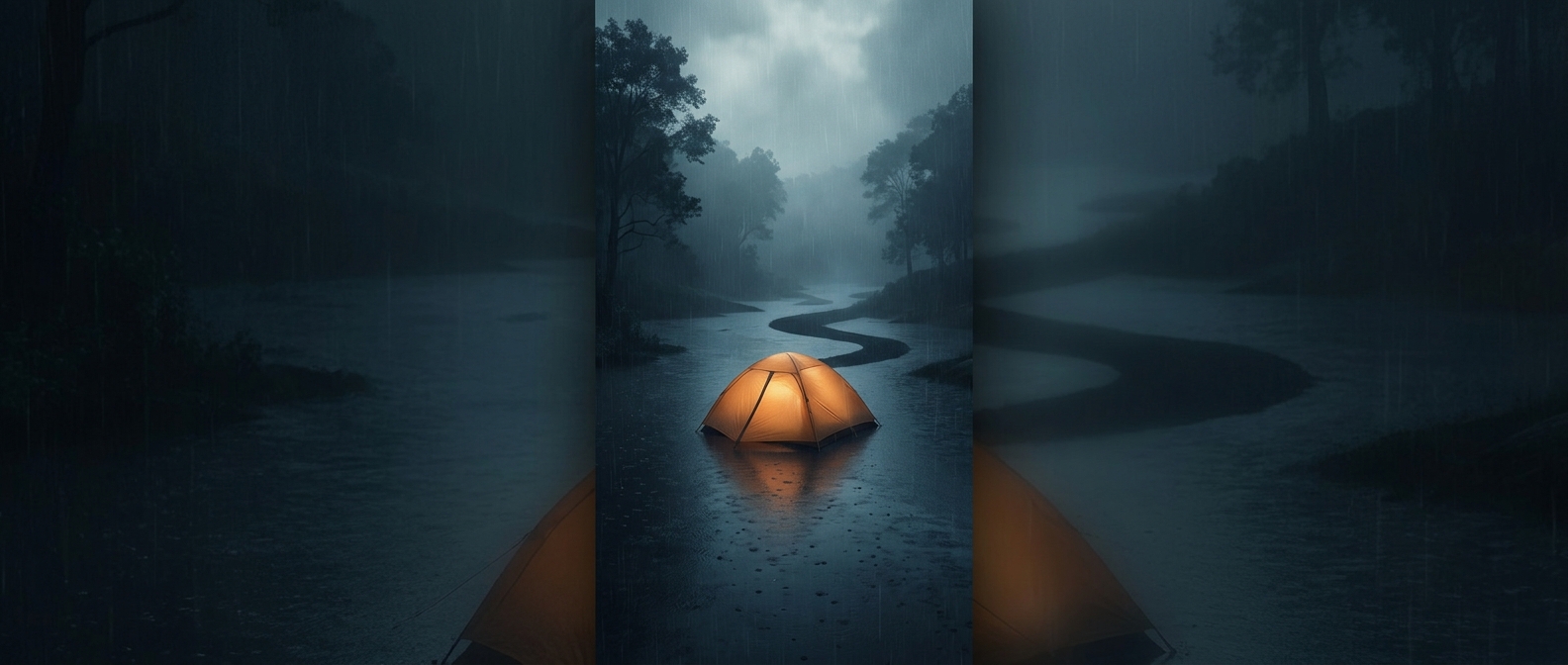
Rain changes more than the view. As water runs downhill, it follows the shape of the ground, gathering in shallow dips and flowing across compacted patches where it cannot soak in easily. A tent pitched in one of those spots may end up surrounded by runoff even if the rain began as a light shower. Once the ground is saturated, each new drop has fewer places to go.
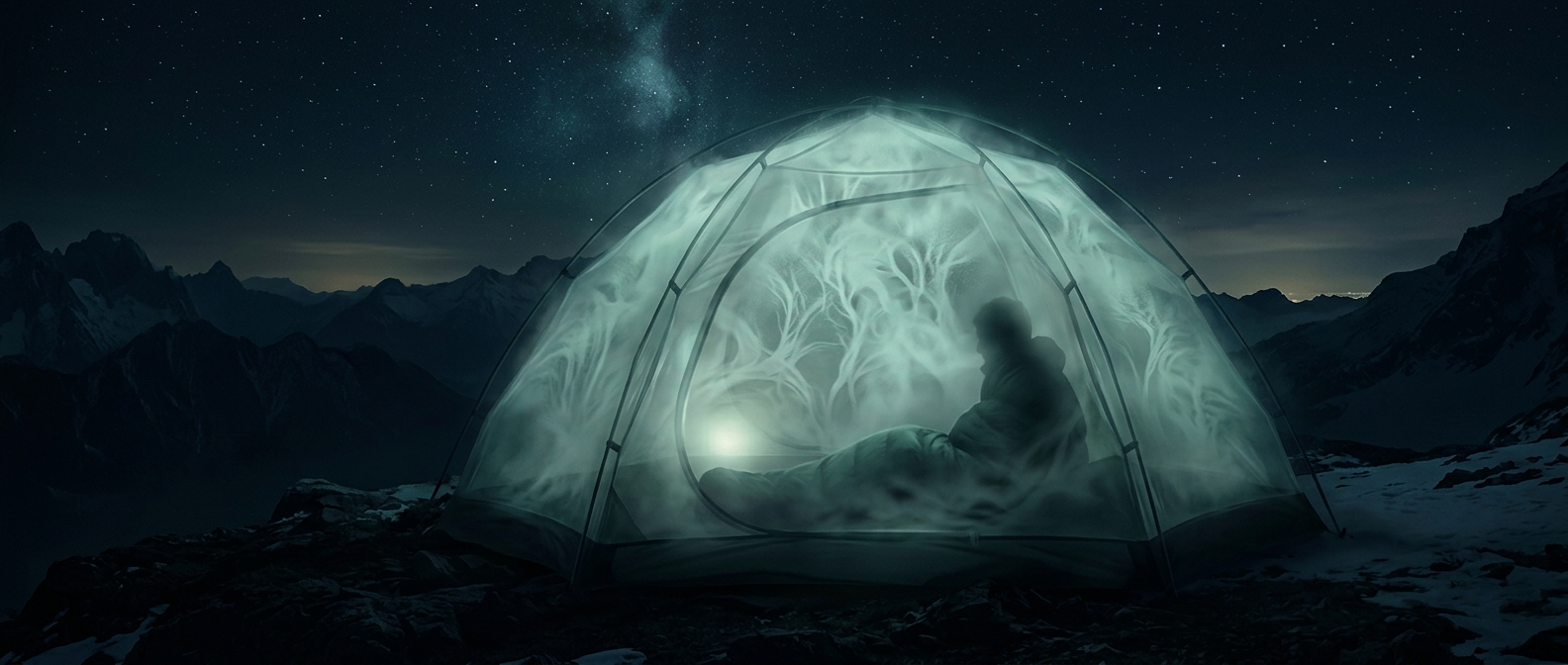
The tent also has to manage water from both sides. Its outer fabric sheds rain, but damp air from breathing and wet clothing can condense on the cooler inner surface. That moisture can feel like a leak, while water pushed against the tent floor by a wet or muddy groundsheet can make the sleeping area clammy. Keeping the fly, floor, and seams working together matters—but no tent can make a poorly drained pitch feel like dry ground.
The Small Tasks Rain Adds Up
A dry evening often lets campers move freely between the tent, cooking area, and gear. In steady rain, those routines become a series of wet transfers: shoes and jackets carry mud inside, food needs shelter, and damp equipment has nowhere to air out. The discomfort comes not only from getting wet but from losing the easy separation between clean, dry sleeping space and everything else.
That is why campsite layout matters so much. A gently sloping, well-drained spot can send water past rather than under a tent, while a low hollow can turn into a puddle. On a rainy trip, the difference between a pleasant refuge and a soggy one may be decided before the tent is even pitched.