Why a Campsite Feels Less Comfortable After Sunset
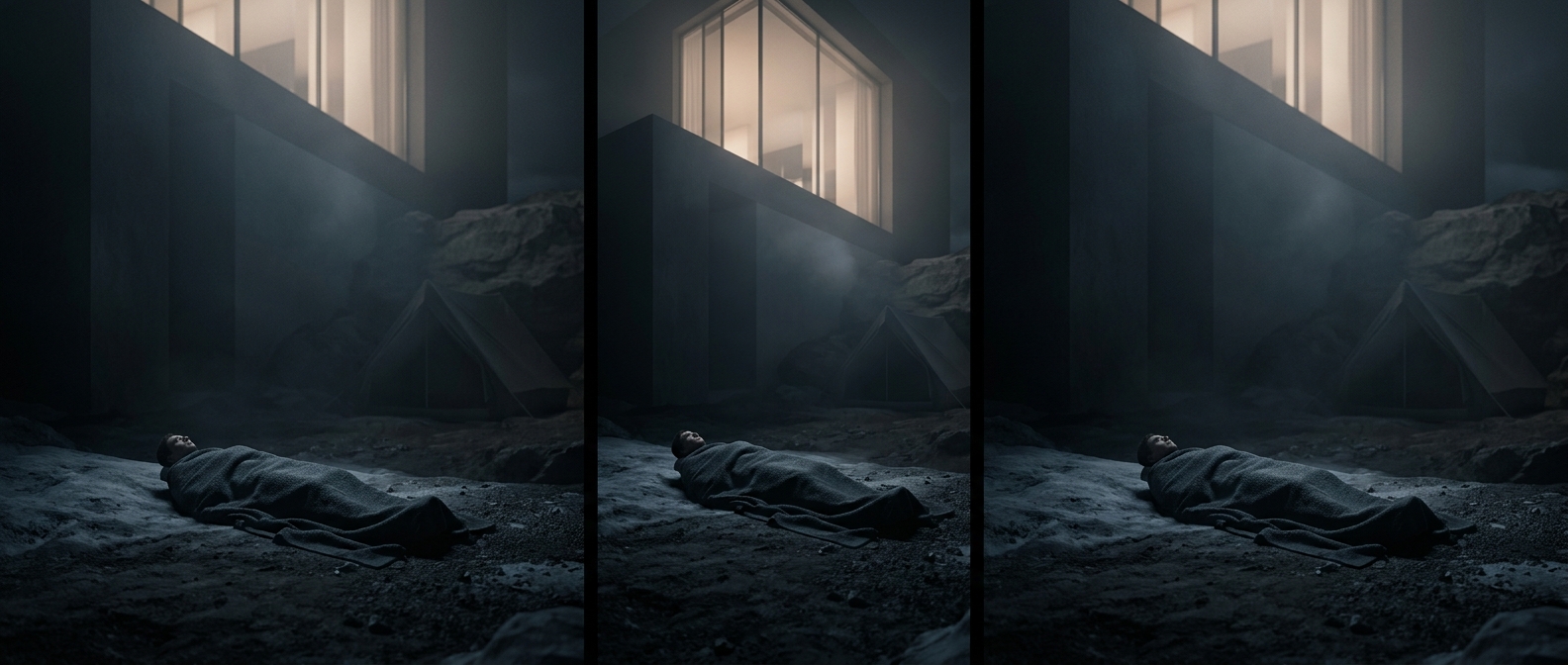
A tent puts you close to the conditions a building usually screens out. The ground may be uneven or cold, and there is no indoor bathroom or solid door between you and insects. Those inconveniences are not random: they come with sleeping in a landscape rather than in a climate-controlled room.
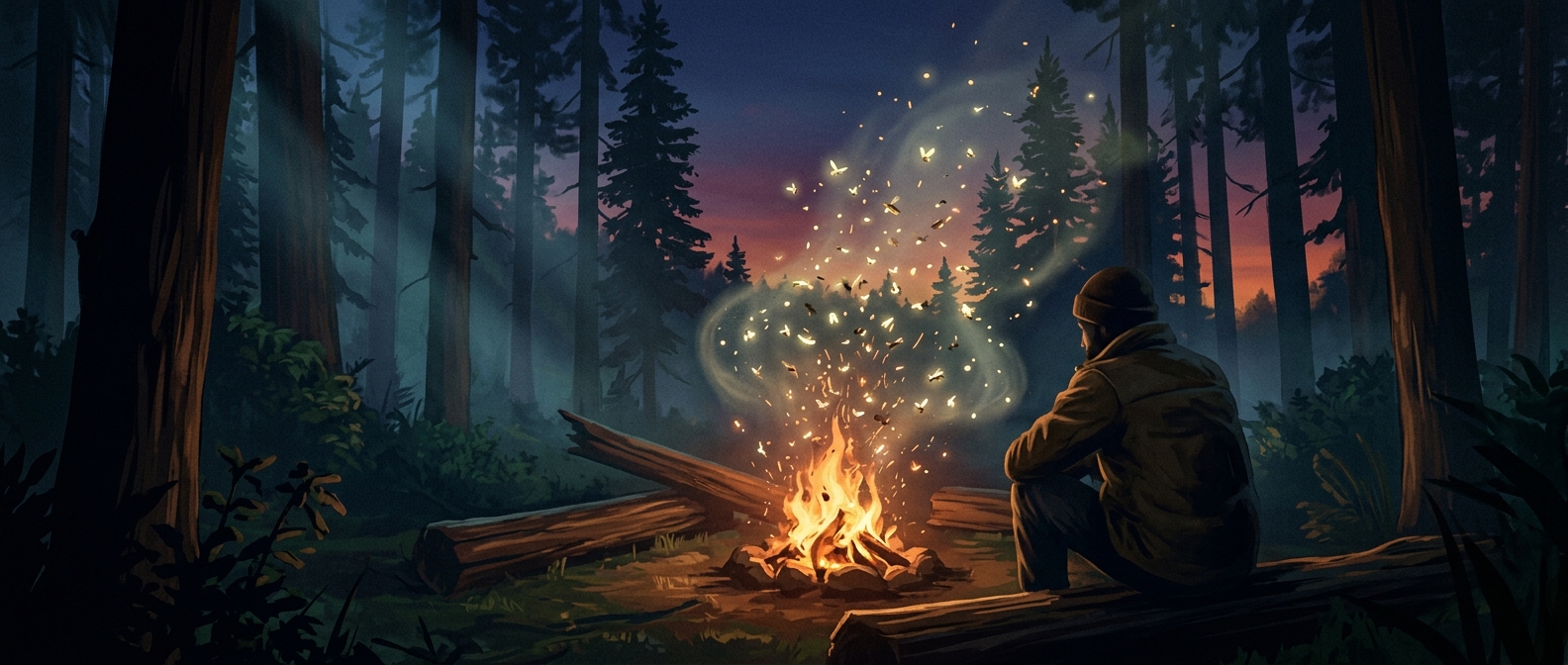
Mosquitoes make the tradeoff especially noticeable because people are easy to find outdoors. They track cues such as the carbon dioxide we exhale, body heat, and scents from skin. At dusk, when many mosquitoes are active, a camper sitting still can become a more obvious target than someone moving through the same area during the day.
Small Choices Change the Experience
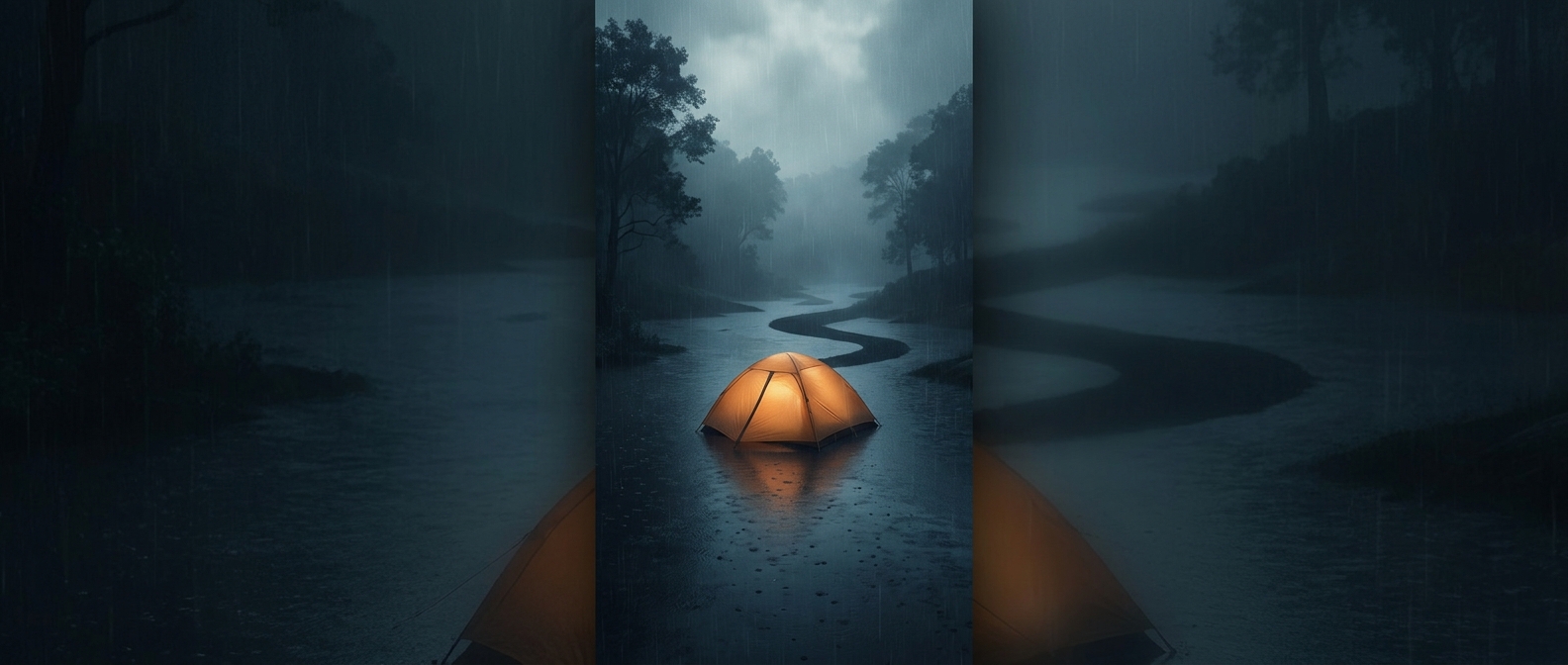
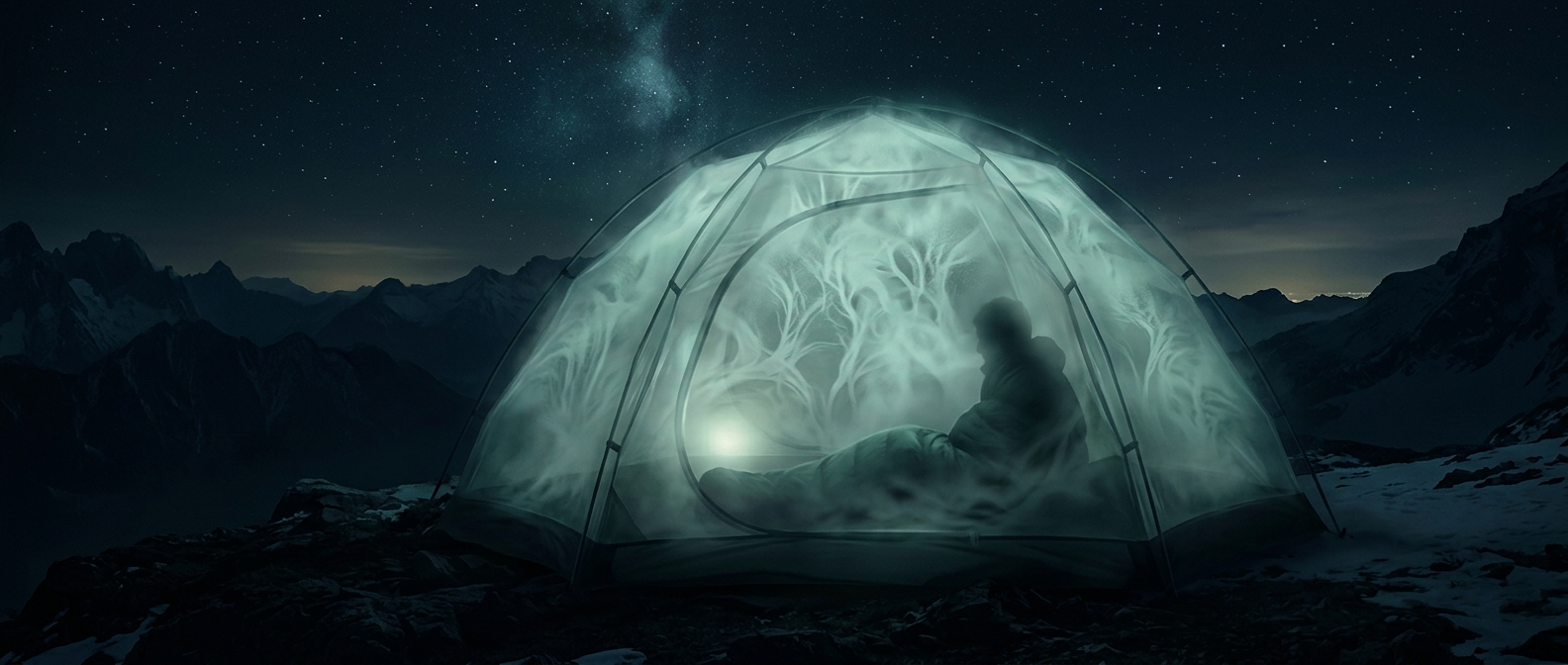
Where a tent is pitched matters. Mosquitoes need water to reproduce, so campsites near wet ground or standing water may have more activity, though conditions vary by place and weather. A breeze can make it harder for them to fly, while a screened shelter creates a physical barrier without requiring campers to retreat indoors.
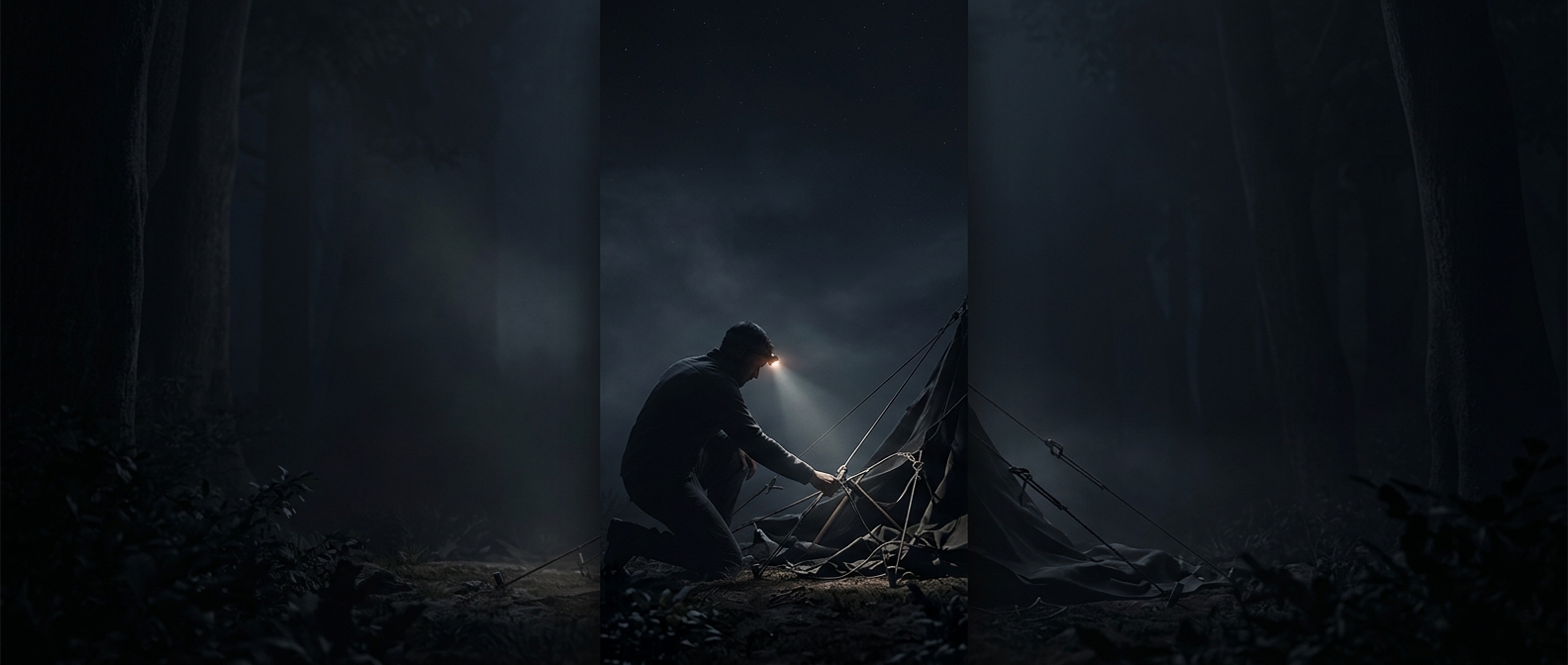
Comfort also depends on what the campsite provides. A sleeping pad separates a person from cold, hard ground; a headlamp helps with nighttime trips to an outdoor toilet; and keeping tent doors closed limits the insects brought inside. These are modest substitutes for household comforts, not perfect replacements.
That is the camping bargain in practical terms: the same exposure that makes a night outdoors feel rough also makes its details vivid. The damp air, uneven earth, and evening insect chorus are part of the place—not inconveniences a wall has quietly removed.