Why the Tray Table Can Carry So Much Bacteria
A tray table gets used for far more than meals. Passengers rest their hands and belongings on it, eat from it, and sometimes use it as a work surface. When it is folded away, the surface can also be easy to overlook during a quick cabin turnaround. That combination—frequent contact and limited time for cleaning—helps explain why swab tests can find substantial bacterial contamination there.
The comparison with a lavatory flush button is a reminder that visible cleanliness is a poor guide to how often a surface is touched or sanitized. A small button may be an obvious target for routine wiping; a broad tray needs more attention to cover its full surface, edges, and hinge area. Bacteria can remain on surfaces after a person leaves them, though a swab finding does not by itself show that a passenger will become ill.
What Happens Between Flights
Aircraft often have only a short window to prepare the cabin for the next group of passengers. Cleaning crews must work through many rows and tasks, so wiping every surface thoroughly can compete with the pressure to turn the plane around on time. More intensive cleaning may happen less often than the quick servicing between flights, leaving some surfaces dependent on routine rather than deep cleaning.
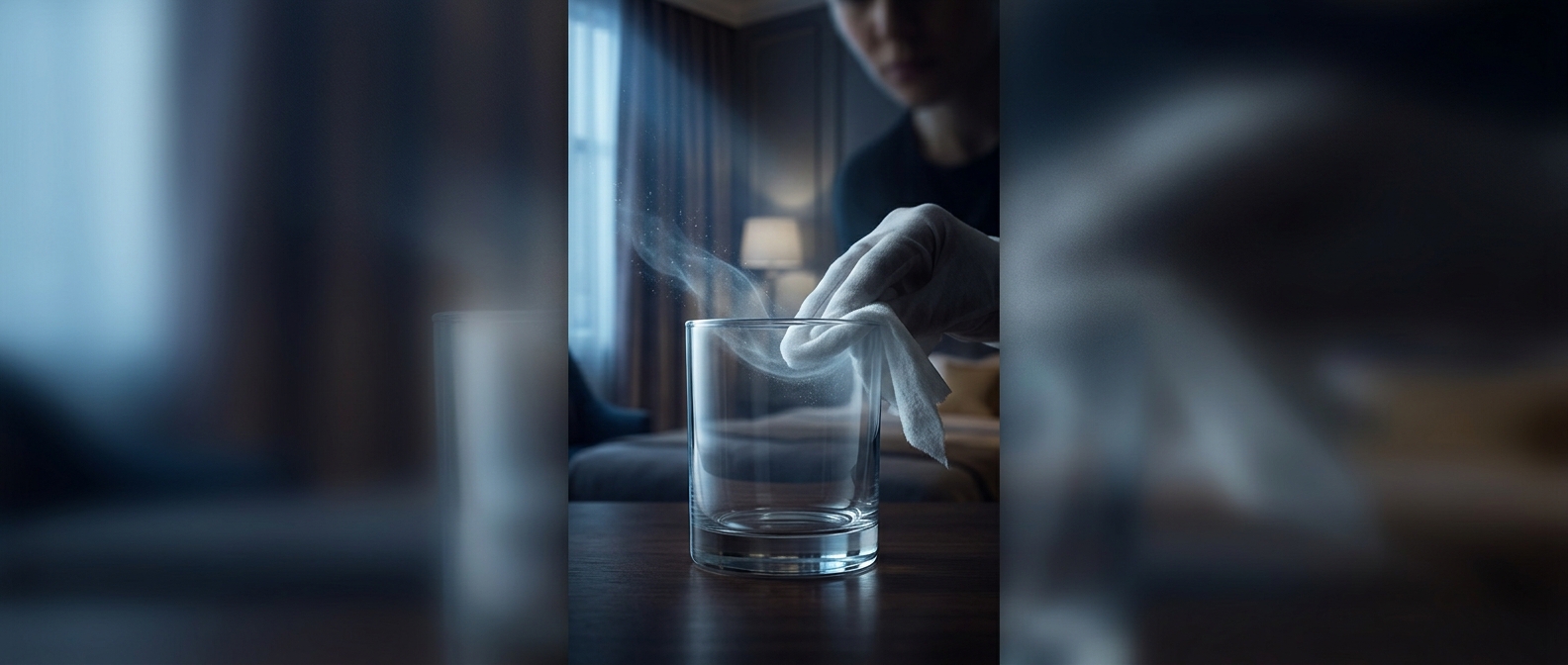
That makes the tray table a useful example of how germs travel through ordinary contact: a passenger touches a surface, then touches food, a phone, or their face. The practical takeaway is simple—clean the tray before using it, and wash or sanitize your hands before eating. A surface can look ready for lunch while still carrying traces of the people who used it before you.