When the Wick Runs Dry
A disposable vape heats liquid held in an absorbent wick. As long as the wick stays wet, liquid carries heat away from the coil and becomes an aerosol that can be inhaled. When the reservoir is nearly empty, the wick may not replenish fast enough. The coil can then heat a patch of wick with little or no liquid on it—a condition often called a dry hit.
Heat Changes What You Breathe
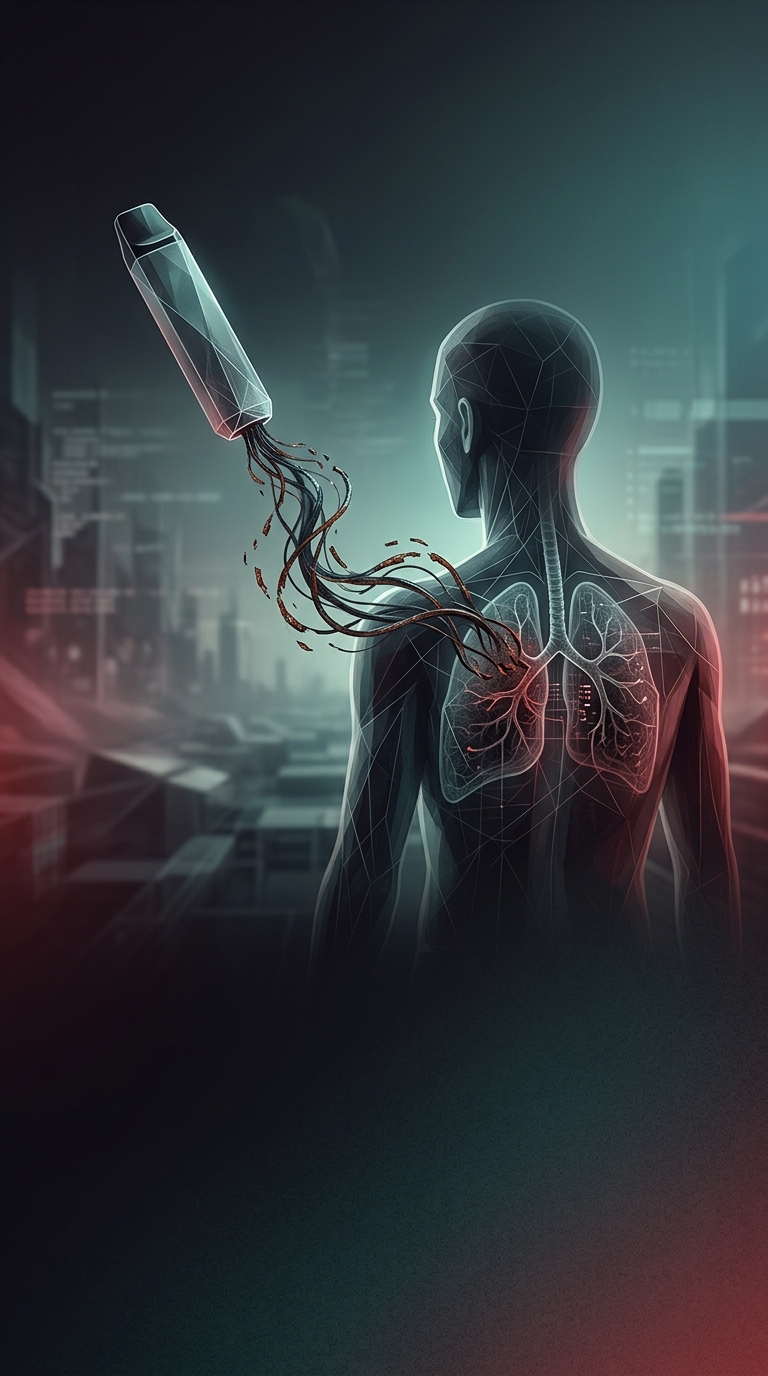
That extra heat can break down the wick material and leftover liquid instead of simply turning liquid into aerosol. The resulting emissions may include irritating chemicals, including carbonyl compounds such as formaldehyde and acrolein. These are not ingredients deliberately added for flavor; they can form when materials are heated too intensely.
The warning sign is often a harsh, burnt taste or a sharp, scratchy feeling in the throat. But taste is not a dependable safety gauge: it cannot tell you exactly what chemicals are present or how much you inhaled. And the risk is not identical with every puff—device design, liquid remaining, and how quickly someone takes puffs all affect whether the wick dries and overheats.
Why the Last Puffs Matter
A low-liquid device may still produce vapor, which can make it seem usable even when the wick is no longer staying saturated. Continuing to puff can therefore mean inhaling more than the usual heated aerosol: it can expose the user to products created by overheating. A burnt hit is a signal to stop using the device, not a sign that the remaining liquid is merely stronger.