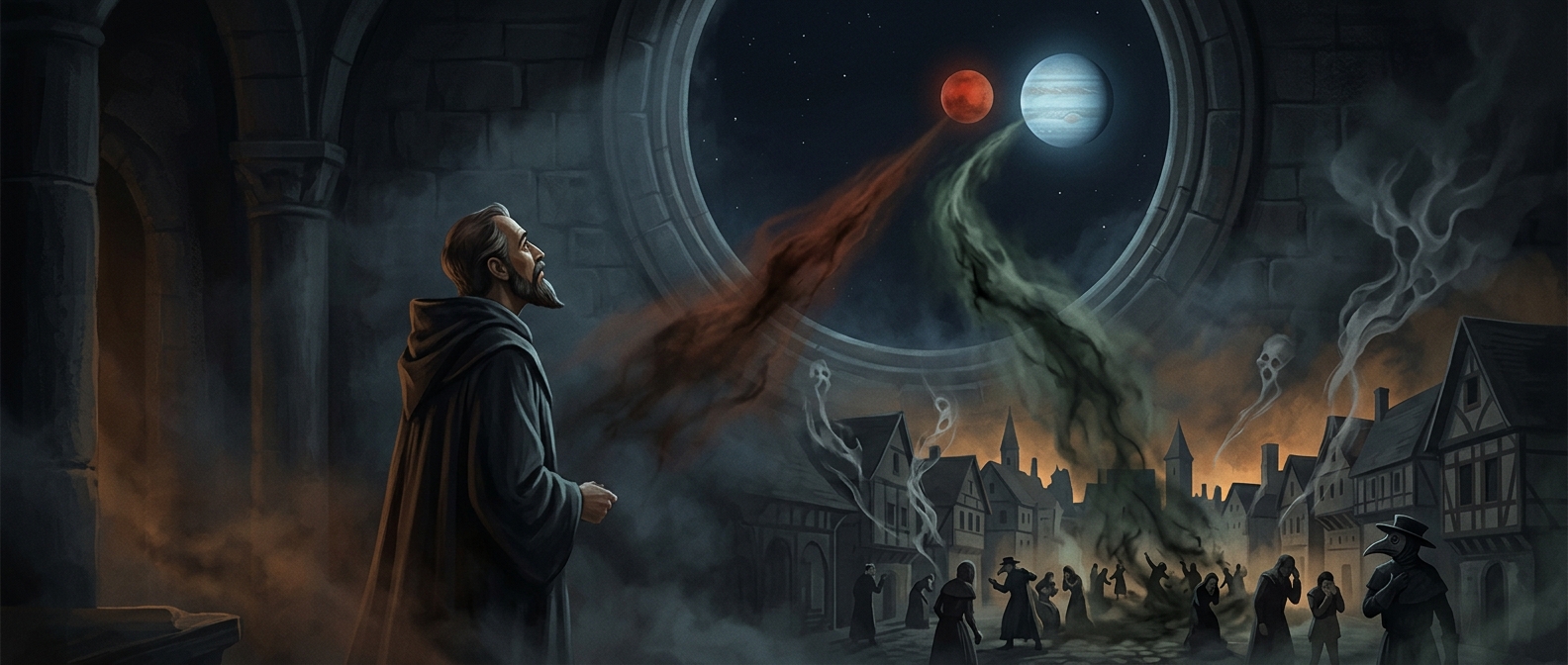
How planetary timing becomes a practical script
An astrology forecast does more than describe a planet’s position: it gives that position a role in a story about what may happen next. A tense planetary aspect, for example, can be interpreted as a period for conflict, delays, or difficult conversations. The listener is then given a script—pause before responding, postpone a decision, or prepare for friction.
That translation makes an abstract sky pattern feel relevant to ordinary choices. Instead of asking only what the week might bring, listeners can use the forecast to decide how to approach a meeting, a relationship, or a change of plans. The planetary language supplies a sense of timing; the advice turns that timing into behavior.
Why the warning can feel urgent
A weekly format gives forecasts a natural deadline. Each episode marks a new stretch of time, and dramatic language can make its themes feel like immediate concerns rather than distant possibilities. For listeners who treat astrology as a reflective practice, “brace for impact” may be a memorable prompt to slow down and pay attention—not a literal prediction of disaster.
The effect comes from pairing a broad uncertainty with a specific response. A difficult week is hard to plan for; a suggestion to double-check commitments or choose words carefully is easier to act on. The forecast becomes most consequential when its metaphor follows someone into a concrete decision.