A New Kind of Haunted Surface
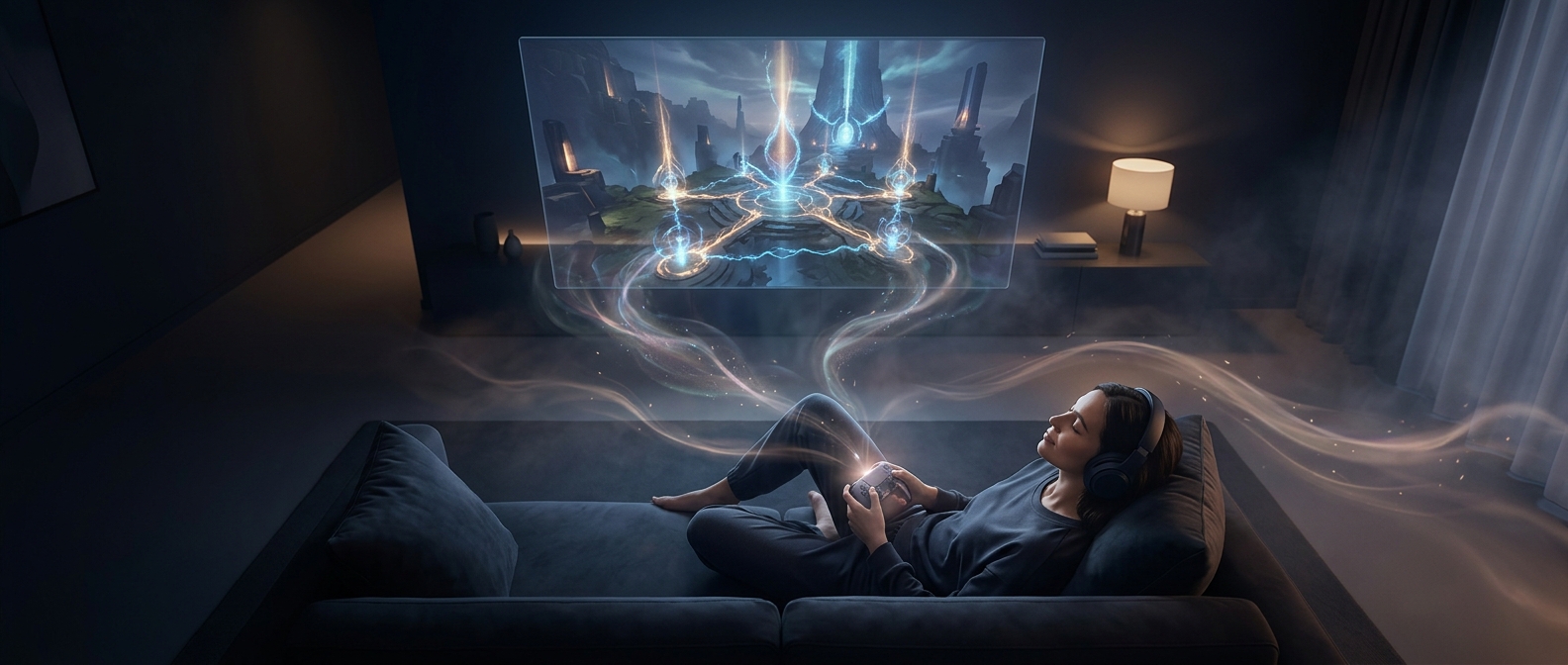
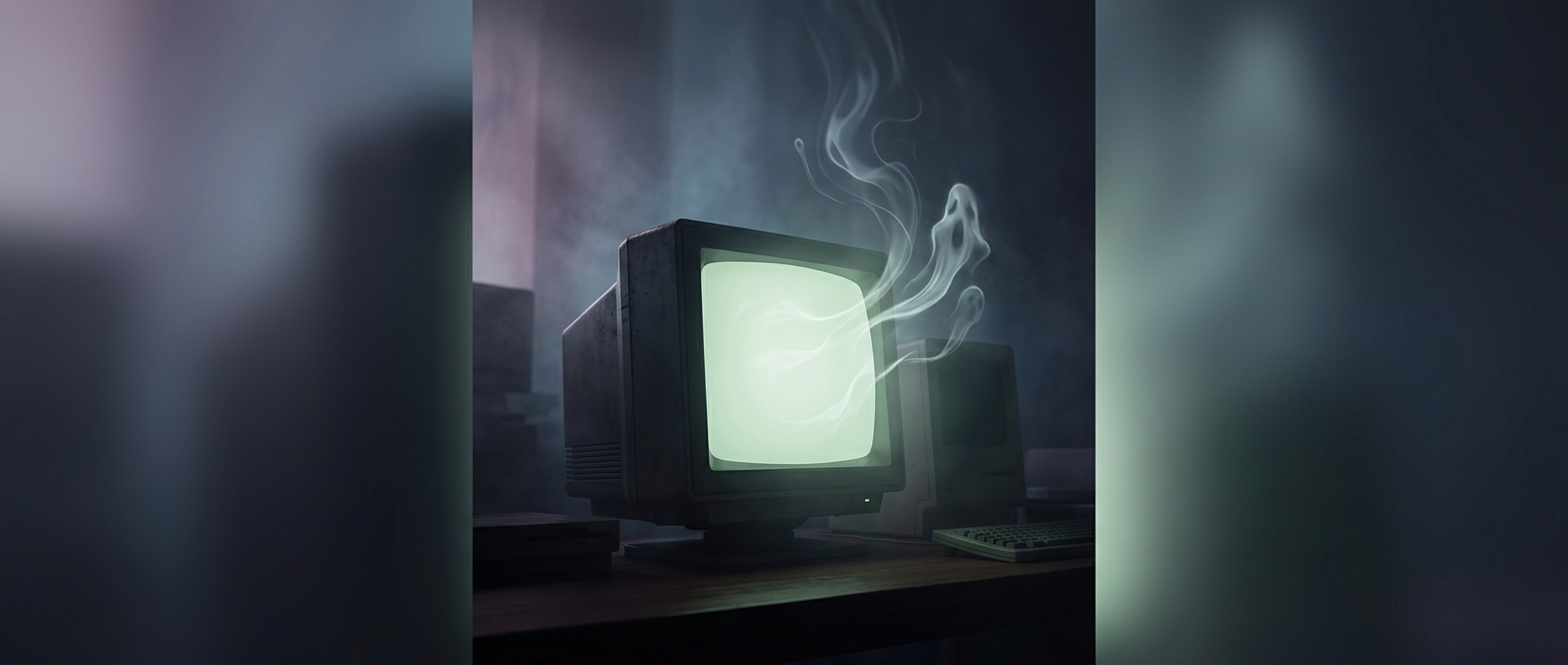
When home computers were still unfamiliar to many people, a glowing screen could feel less like an ordinary appliance than a window into an unseen world. That made the BBC Micro an unusually modern setting for an old kind of story: a message arriving from someone who seemed to belong to another age.
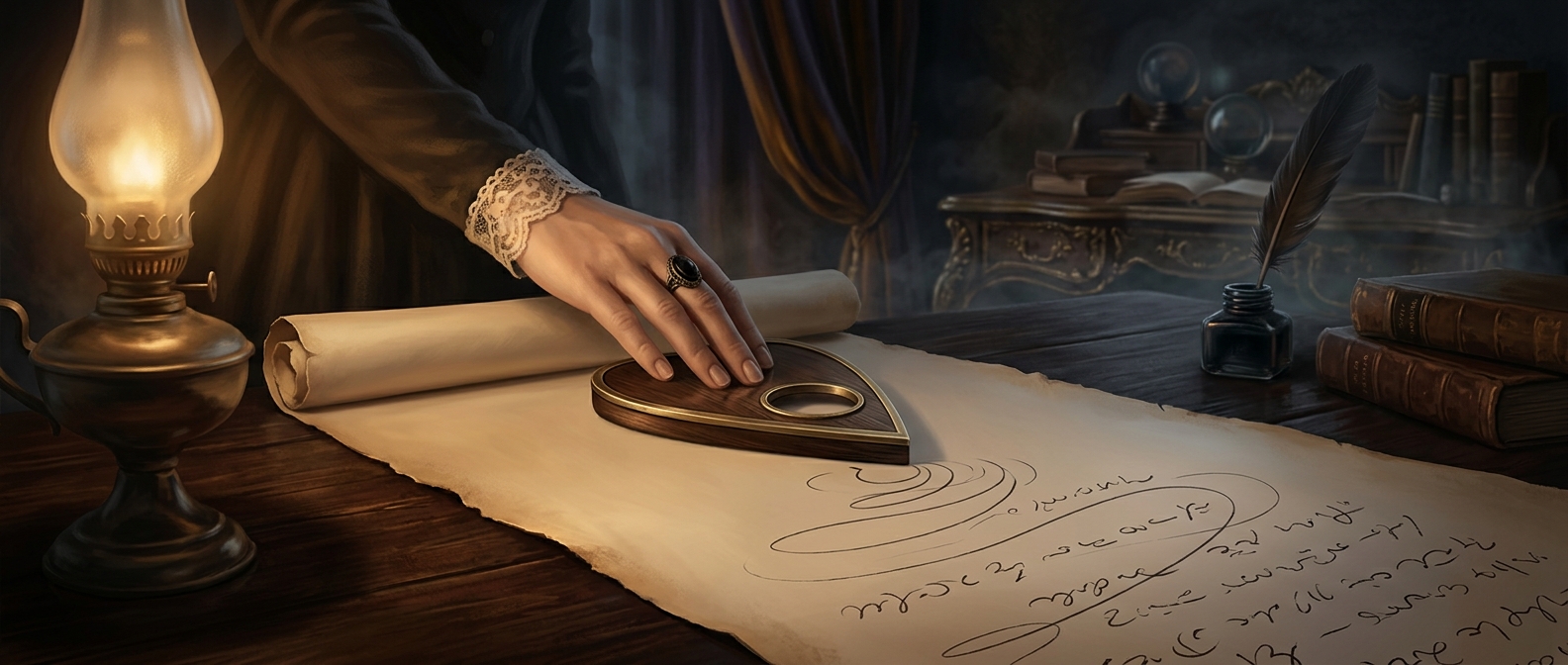
In the Dodleston account, the messages were attributed to Lukas, a man said to live in the 16th century. The screen’s role is central to the tale. Lukas supposedly treated it as a scrying glass—a surface used to glimpse distant or hidden things—rather than as a machine built to display stored text. The same object therefore had two meanings: a computer to its 20th-century user, and a mysterious speaking surface to the figure in the story.
Why the Messages Became Folklore
The account belongs to a period when personal computers were entering homes faster than most people were learning how to think about them. A text file could appear deliberate and intimate: unlike a broadcast, it seemed addressed to one person, yet its source was not obvious from the words on the screen. The machine’s ordinary function—showing text—became part of the mystery rather than an explanation for it.
That collision gives the story its lasting shape. Its archaic voice points backward, while its medium points toward a new technological future. The result is not simply a ghost story set near a computer; it is a story about how people make sense of unfamiliar devices by fitting them into older ideas about spirits, messages, and portals. Even the supposed misunderstanding is memorable: in this legend, the screen was not merely where the message appeared. It was the thing Lukas believed he was looking through.