Replaying a memory changes the question
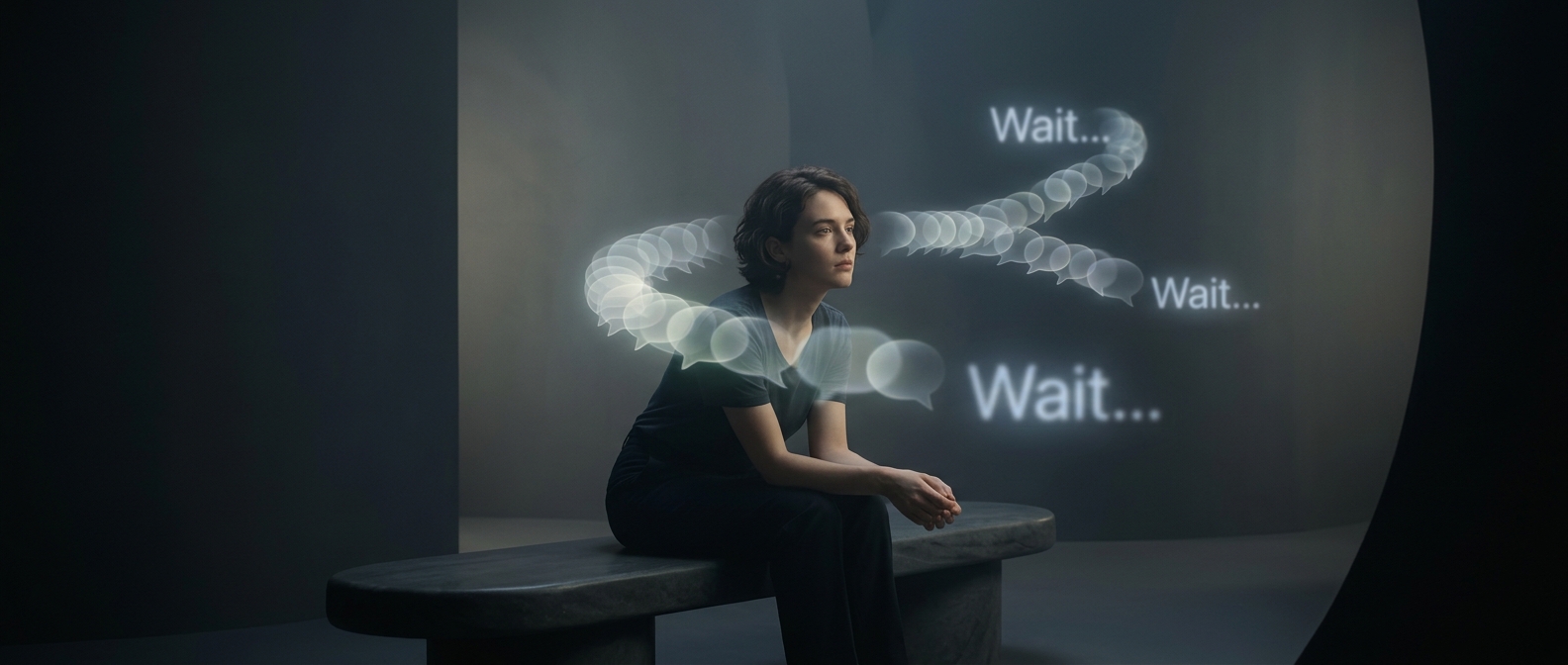
The first time you remember something, your attention may be on the event: Did I lock the door? Where did I put my keys? When you check again, attention can shift to your own remembering: Am I sure I saw that? Could I be filling in a gap? That second question makes uncertainty more noticeable, even if no new information has appeared.
Psychologists call judgments about how well we remember something metamemory—our sense of whether a memory is reliable. It is not the memory itself. A person can retain the same details while becoming less confident in them.
Why another check can feel less reassuring
Each replay can invite a fresh search for evidence. If the memory is ordinary or brief, there may be no extra detail to find. The mind can then treat the lack of additional confirmation as a reason to doubt, rather than as a sign that the original memory was simply complete enough. Attention also tends to linger on possible mistakes: perhaps the lock clicked, but perhaps that sound came from somewhere else.
This creates a loop. Doubt prompts another check; checking makes the possibility of error more salient; that heightened doubt prompts yet another check. The loop can make a memory feel less trustworthy without showing that its details have actually changed.
Confidence and accuracy are not the same
Feeling less certain is not proof that a memory is wrong, just as feeling certain does not guarantee that it is right. Repeated checking can be useful when it brings in new evidence—looking at a calendar, for instance, or returning to see whether a door is locked. But replaying the same mental scene supplies no new observation. It may change how sure you feel, not what happened.