How a Familiar Face Became Unreadable
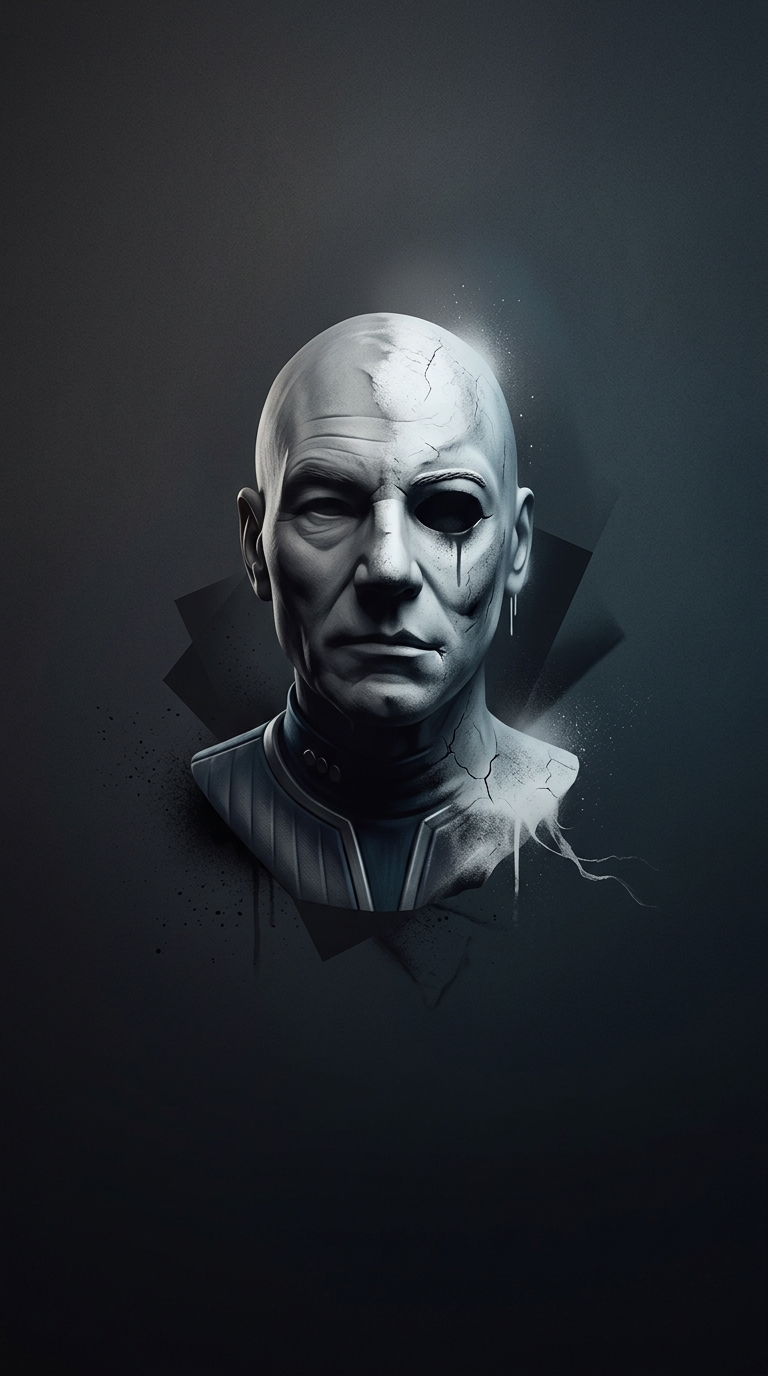
The mask’s power came from a small set of changes, not an elaborate sculpt. Wallace started with a mass-produced likeness of William Shatner as Captain James T. Kirk, then removed details that made it recognizable as a specific person: the sideburns came off, the eye openings grew, and the face was painted an unnaturally pale white.
Those edits left the mask caught between familiar and strange. Its features still resembled a human face, but the blank color and widened eyes stripped away the warmth and identity people expect from one. The horror lies in seeing a face that looks human but gives you almost nothing to read.
What the Mask Made Possible
A mask also limits what an actor can communicate with facial expression. That shifts attention to the body: a turn of the head, a pause, or a steady approach has to carry more of the threat. The pale face, meanwhile, remains visually fixed, so it can seem to watch without reacting.
The result is a practical design that does two jobs at once. It conceals the performer’s identity and makes the familiar human face itself unsettling—an effect achieved by altering an ordinary store-bought object rather than building a monster from scratch.