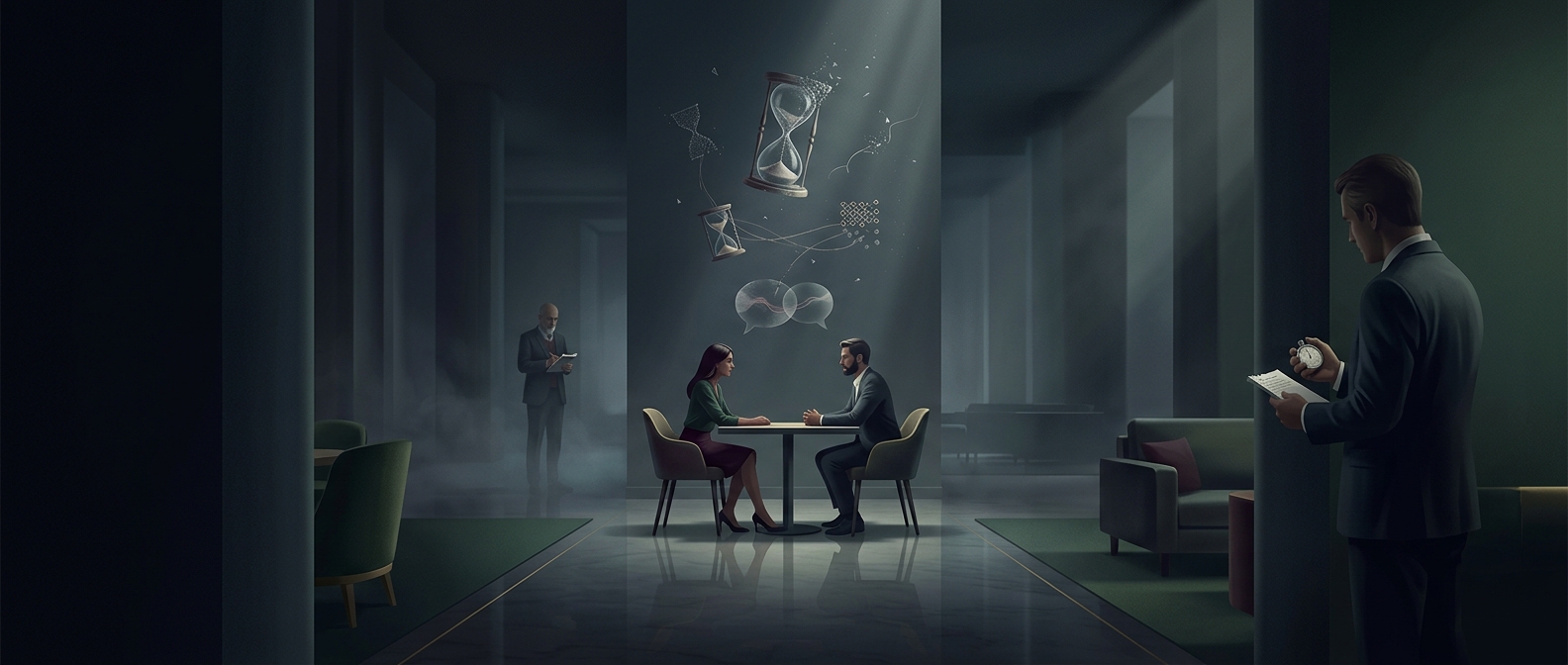
Why a brief argument can reveal a couple’s habits
The revealing part of an argument is often not the topic but the sequence of responses. One partner raises a concern; the other hears an accusation and defends themselves. That defense can sound like dismissal, prompting the first partner to press harder. In seconds, both may be reacting less to the original problem than to what they think the other person’s response means.
This is a feedback loop: each person’s move becomes the next person’s trigger. Mockery can turn a complaint into humiliation; blame can invite counter-blame; silence can leave the other person guessing whether the conversation is paused or abandoned. Repeated often enough, these moves make practical disputes feel like judgments about character or commitment.
A pattern is more informative than a single bad moment
A short exchange can offer a glimpse of a couple’s default responses under stress, but it cannot establish what their relationship is destined to become. People can be tired, frightened, or caught off guard. What matters more is whether a harmful exchange is a recurring cycle—and whether either person can interrupt it.
For example, a partner might notice their own defensive reply, acknowledge the concern underneath the complaint, and return to the specific issue. That does not erase the conflict, but it can stop the discussion from escalating into a contest over who is the worse person. The ability to pause, clarify, or repair changes what happens next.
The practical warning sign is escalation without repair
Disagreements are unavoidable; the risk lies in a pattern where every attempt to address a problem produces a fresh injury and neither person finds a way back to the issue. In that cycle, the original question—who will handle a task, or what needs to change—gets buried beneath accumulated resentment.
That is why a few minutes can be worth noticing: not as a verdict, but as a small sample of the route an argument tends to take. The useful question afterward is whether the couple can name the turn where the conversation went wrong and try a different next move.