The wardrobe problem behind Welles’s changing size
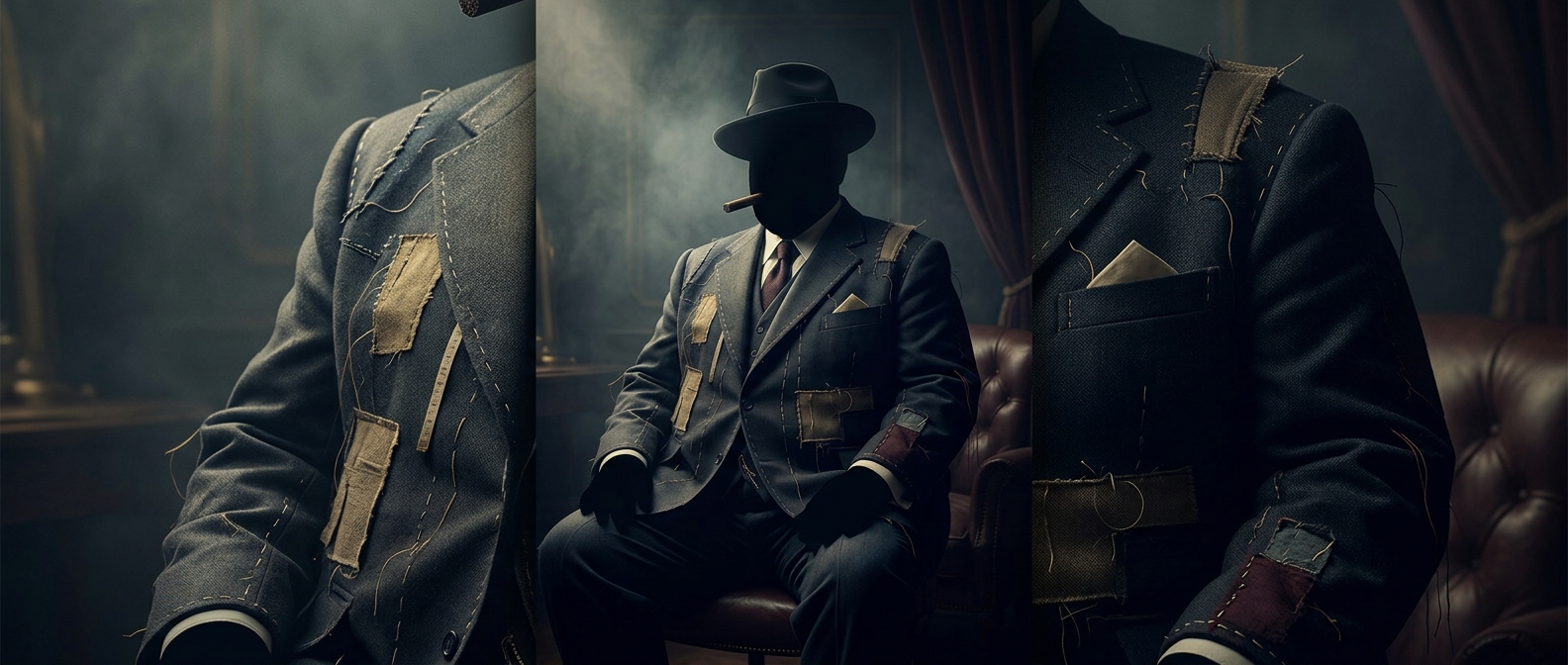
A film costume has to do more than fit its wearer on one day. It must look right under the camera, move comfortably enough for a performance, and remain convincing across scenes that may be shot on different days. When Orson Welles’s size changed from week to week, his wardrobe team had to adjust the clothes to keep them usable and visually consistent.
“Letting out” a seam means opening some of the fabric folded inside a garment and sewing it back with a smaller allowance. That releases a little extra room without replacing the costume outright. It is a practical fix, but not an unlimited one: once the hidden fabric is used up, the garment may need more extensive alteration or a replacement.
Small changes matter on camera
A jacket that pulls at the buttons or a waistband that sits differently can stand out in a close-up, especially when a scene is meant to follow another in the story. Even when viewers cannot identify the problem, a poor fit can change the outline of a character and distract from the performance. Wardrobe workers therefore had to keep pace with Welles’s changing measurements, not simply prepare an outfit once and consider the job done.
The routine of hot dogs, steaks and wine described in the account gives the alterations a vivid, week-by-week rhythm. The less visible work was the sewing: making sure that a costume still fit the person wearing it and still looked like the same costume to the audience.