How the Congo’s current can divide fish populations
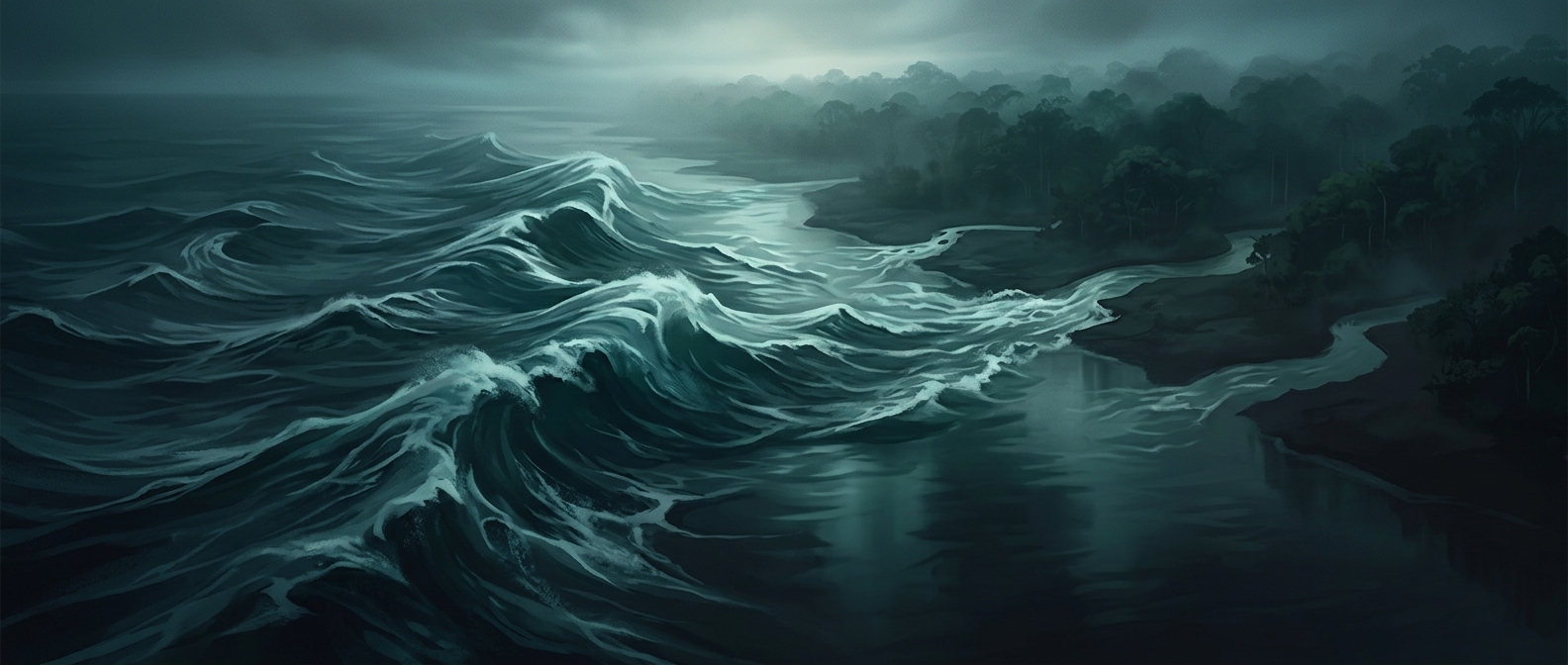
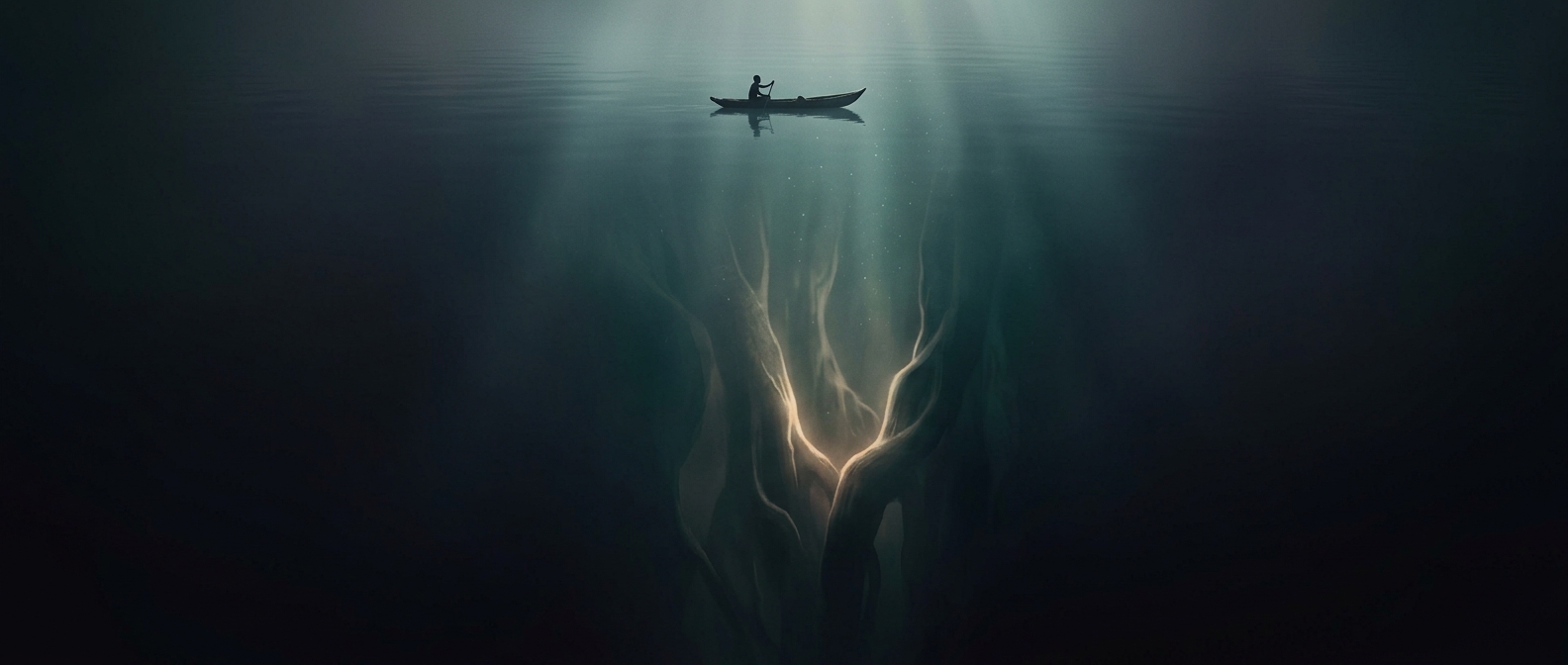
The Congo is not simply a broad sheet of water. In parts of its lower course, the river cuts through a deep, narrow channel, with powerful flows and abrupt changes in depth. Those conditions can make crossing from one bank to the other difficult for small fish: swimming across means entering fast-moving water, where a fish can be swept downstream or away from the habitat it uses to feed and shelter.
When fish rarely cross, populations on opposite sides have fewer chances to mix. Over many generations, they can become distinct: differences that arise in one population are less likely to spread to the other. The river’s current therefore acts as a barrier, even though it is not an impassable wall for every fish.
A river that shapes its own wildlife map
The barrier is part of a larger pattern. Deep channels, rapids, and shifting currents divide the Congo into very different aquatic environments. A fish adapted to a relatively calm stretch may not thrive in a turbulent one, so both the flow and the habitat can limit where species live.
That helps explain why a single river can hold sharply separated fish communities. Its immense depth is more than a dramatic measurement: together with the force of the water, it helps determine which fish can reach which habitats—and which populations remain apart.