How a dust wall can hide a road
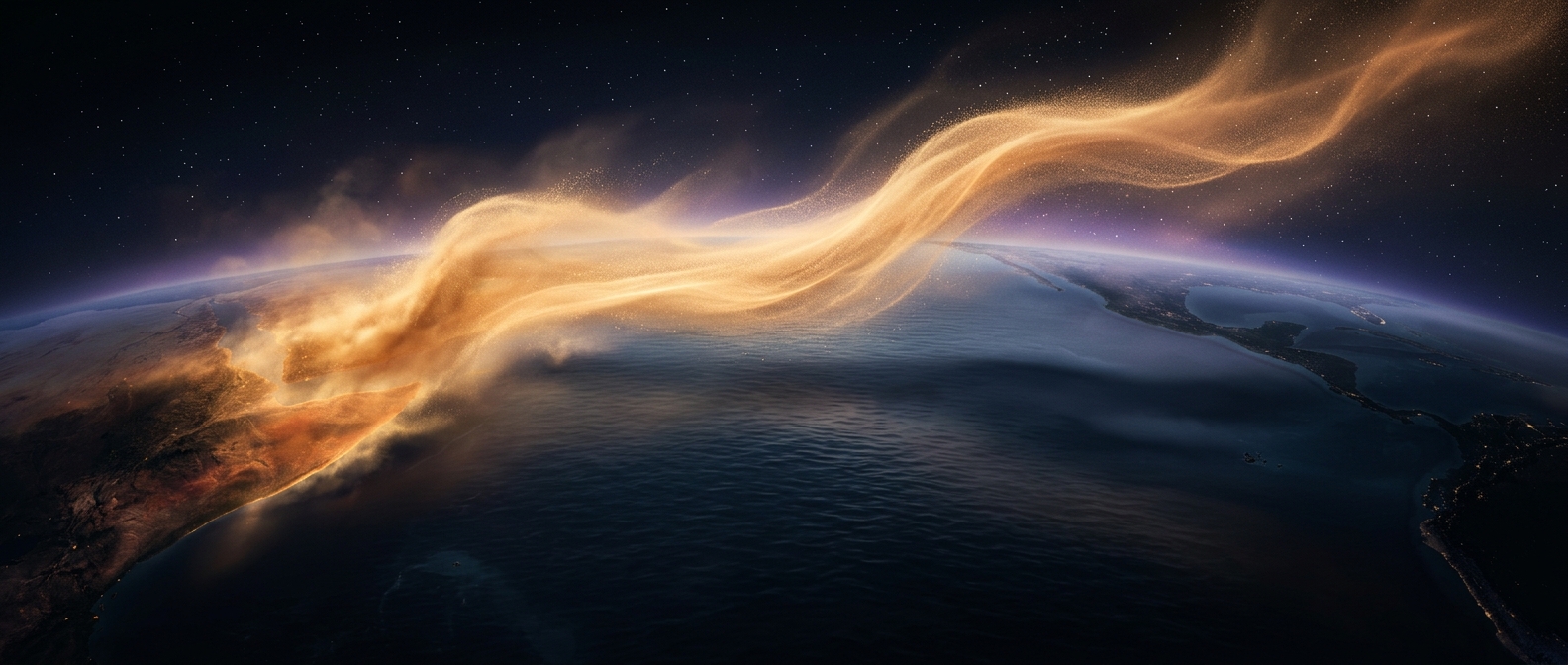
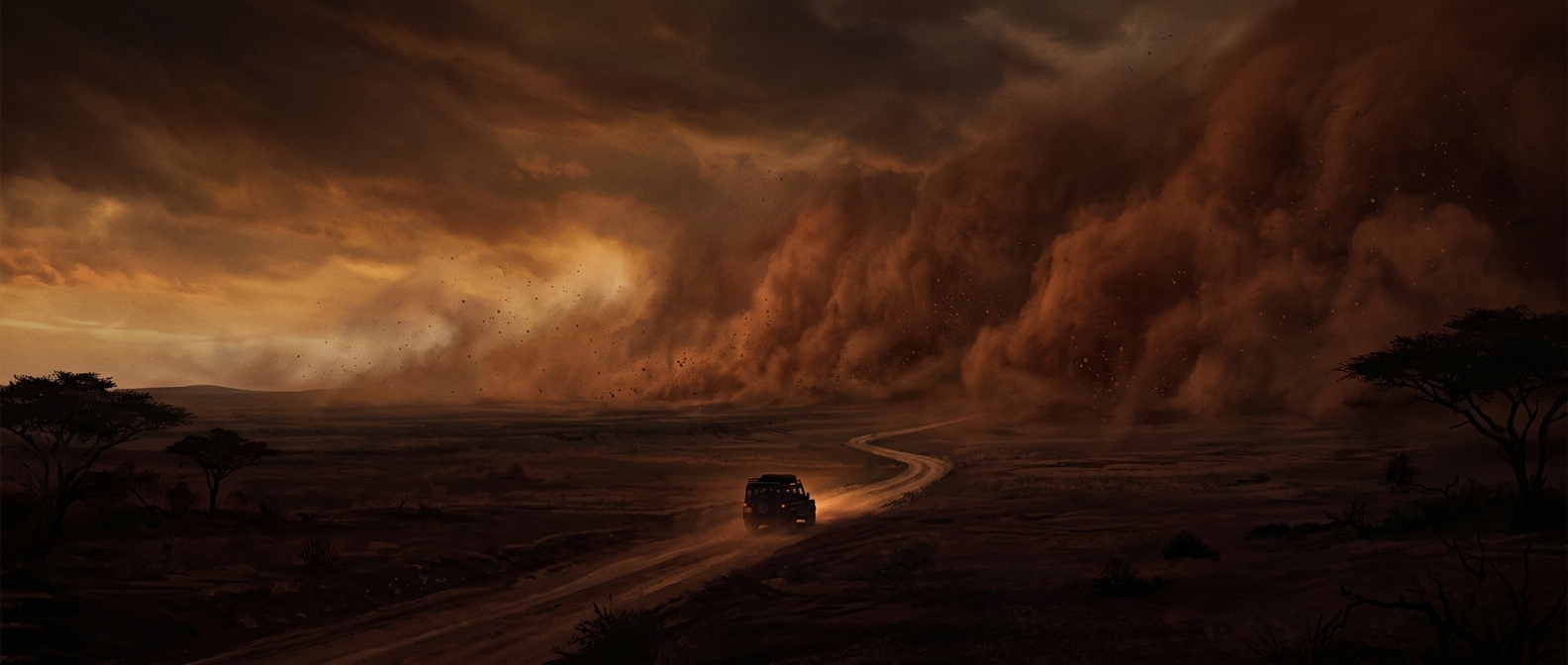
In parts of Africa bordering the Sahara, strong winds can lift loose, dry soil and carry it across open country. Some of the most sudden storms begin when air pushed outward by a thunderstorm hits the ground and races across the surface, sweeping up dust as it goes. From a distance, the moving cloud can look like a wall advancing over the landscape.
Once the dust fills the air, drivers lose more than a clear view ahead. The road’s edges, roadside markers, and familiar features on the horizon can vanish together, making it difficult to judge where the pavement runs or whether another vehicle is nearby. Headlights may make the suspended particles more conspicuous without restoring a usable view.
Why the danger arrives so quickly
A dust storm can reduce visibility over a short distance, leaving little time to react to a vehicle slowing or stopped ahead. On a road with few buildings or barriers, pulling off may also be risky: a driver can misjudge the shoulder or end up blocking the route while other vehicles are struggling to see.
That is why a familiar journey across open terrain can change abruptly. The landscape has not disappeared; the dust has removed the visual cues that let a driver navigate it. When the storm passes and the air clears, the road and its landmarks can reappear almost as suddenly as they were obscured.