A different landscape of pyramids
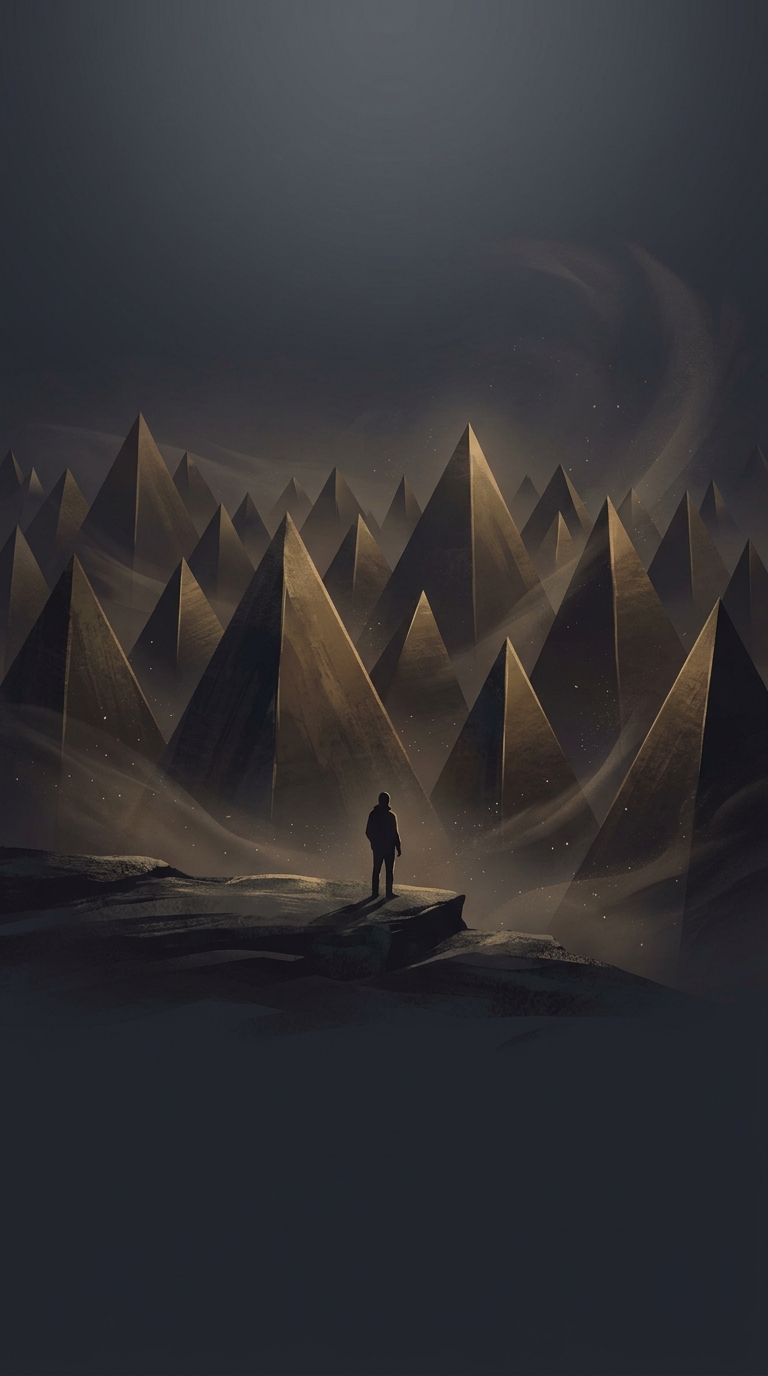
Sudan’s pyramids are not a smaller footnote to Egypt’s monuments. Many stand in the deserts of the ancient Kingdom of Kush, especially around Meroe, where rows of narrow, sharply angled structures rise above the sand. Their compact silhouettes look quite different from the broad-sided pyramids at Giza, but they served a related purpose: marking royal burials.
How Kushite royal tombs worked
Kushite rulers built pyramids over tombs cut into the bedrock below. A small chapel at the pyramid’s base gave mourners a place to make offerings; the burial chamber itself lay underground. The visible monument was therefore only the surface marker of a larger funerary complex.
The practice changed as royal centers shifted within Kush. Earlier burial grounds near Napata include Nuri and El-Kurru; later rulers were buried near Meroe. Together, these sites trace a long-lived tradition rather than a single burst of construction. Their close-set pyramids also make the cemeteries feel less like isolated landmarks and more like carefully organized royal neighborhoods.
Why they are easier to miss
Egypt’s monuments have become global shorthand for ancient pyramids, while Sudan’s sites are spread across a much less familiar travel landscape. Meroe, for example, lies far from the Nile’s best-known Egyptian tourist circuit. That distance from the standard itinerary helps explain why its striking skyline remains less widely recognized.
Seen together, the Sudanese pyramids change the mental map of the ancient world: the pyramid was not an Egyptian form alone, but part of a royal tradition that Kushite rulers made distinctly their own.